
Electroplating
Electroplating: Enhancing Durability and Conductivity for High-Performance Components:
- Superior Corrosion Resistance
- Enhanced Electrical Conductivity
- Customizable Aesthetics
- Precise Thickness Control

Electroplating Overview
Electroplating, also known as electrodeposition, is a process that uses an electric current to deposit a thin layer of metal onto a conductive substrate. This technique is primarily used to alter the surface properties of a part, providing superior corrosion and wear resistance, enhancing electrical conductivity, and improving aesthetic appeal. It is a critical process in industries like electronics, automotive, and aerospace, where high-performance and reliability are non-negotiable. The precise control over the deposited layer thickness allows for highly customized and functional finishes.
| Parameter | Description |
| Plating Thickness | Highly controllable, typically ranging from 5 µm to 50 µm (0.0002″ to 0.002″). |
| Applicable Substrates | Primarily conductive materials (metals) such as Steel, Copper, Brass, and Aluminum (requires special pre-treatment). Non-conductive materials like plastics can be plated after a metallization process. |
| Visual Appearance | Can range from bright and mirror-like (e.g., Bright Nickel, Chrome) to matte (e.g., Matte Tin, Matte Nickel) or colored (e.g., Gold, Black Chrome). |
| Thickness Tolerance | Typically maintained within ±10% of the specified thickness, though it can vary depending on the part geometry (current density distribution). |
| Corrosion Resistance | Directly proportional to the plating material and thickness. Often tested via Salt Spray (ASTM B117). |
Types of Electroplating Processes
★ Hard: Excellent wear and abrasion resistance
★ Corrosion-Resistant: Protects parts from moisture and chemicals
★ Decorative: Smooth, bright, and aesthetically appealing finish
★ Common Uses: Machinery parts, connectors, mold components, consumer hardware
★ Extremely Hard: High surface hardness for demanding environments
★ Wear-Resistant: Minimal surface degradation under friction
★ Glossy: Highly reflective and decorative appearance
★ Common Uses: Automotive parts, tools, hydraulic shafts, kitchen hardware
★ Corrosion-Resistant: Acts as sacrificial protection
★ Economical: Lower cost compared to other coatings
★ Paint-Friendly: Excellent base layer for painting
★ Common Uses: Fasteners, brackets, automotive hardware, structural steel
★ Highly Conductive: Ideal for electrical applications
★ Adhesion-Enhancing: Promotes bonding for subsequent coatings
★ Smooth Finish: Levels surface imperfections
★ Common Uses: PCBs, connectors, RF components, decorative items
★ Solderable: Excellent for electronic components
★ Non-Toxic: Suitable for food-contact parts
★ Corrosion-Resistant: Prevents rust and discoloration
★ Common Uses: Electrical terminals, food packaging parts, wire connectors
★ Best Electrical Conductivity among metals
★ Antibacterial: Suitable for medical devices
★ Reflective: Used in optical and decorative applications
★ Common Uses: Electrical terminals, RF components, medical devices
Advantages of Electroplating
Superior Functional Properties
Electroplating significantly enhances properties like corrosion resistance (e.g., Zinc, Nickel), wear resistance (e.g., Hard Chrome), and electrical conductivity (e.g., Gold, Silver).
Precise Thickness Control
The process allows for very precise control over the deposited layer thickness, which is crucial for functional applications like electrical contacts.
Aesthetic Improvement
It provides a bright, uniform, and attractive metallic finish, often used for decorative purposes (e.g., Chrome, Gold).
Wide Range of Materials
Can be applied to various metals and, with pre-treatment, to non-conductive materials like plastics.
Notice
Substrate Requirement: The substrate must be electrically conductive, or a metallization step is required for non-conductive materials.
Design Considerations
Part Geometry
Design parts with rounded corners and avoid sharp edges, deep recesses, and blind holes to promote uniform current distribution and consistent plating thickness.
Thickness Specification
Clearly specify the required plating thickness and the critical functional areas (CFAs) where this thickness must be maintained.
Racking Points
Designate non-critical areas where the part can be held by the plating rack. These points will have contact marks and may not be fully plated.
Tolerances
Account for the added thickness of the plating layer when setting dimensional tolerances for the final part.
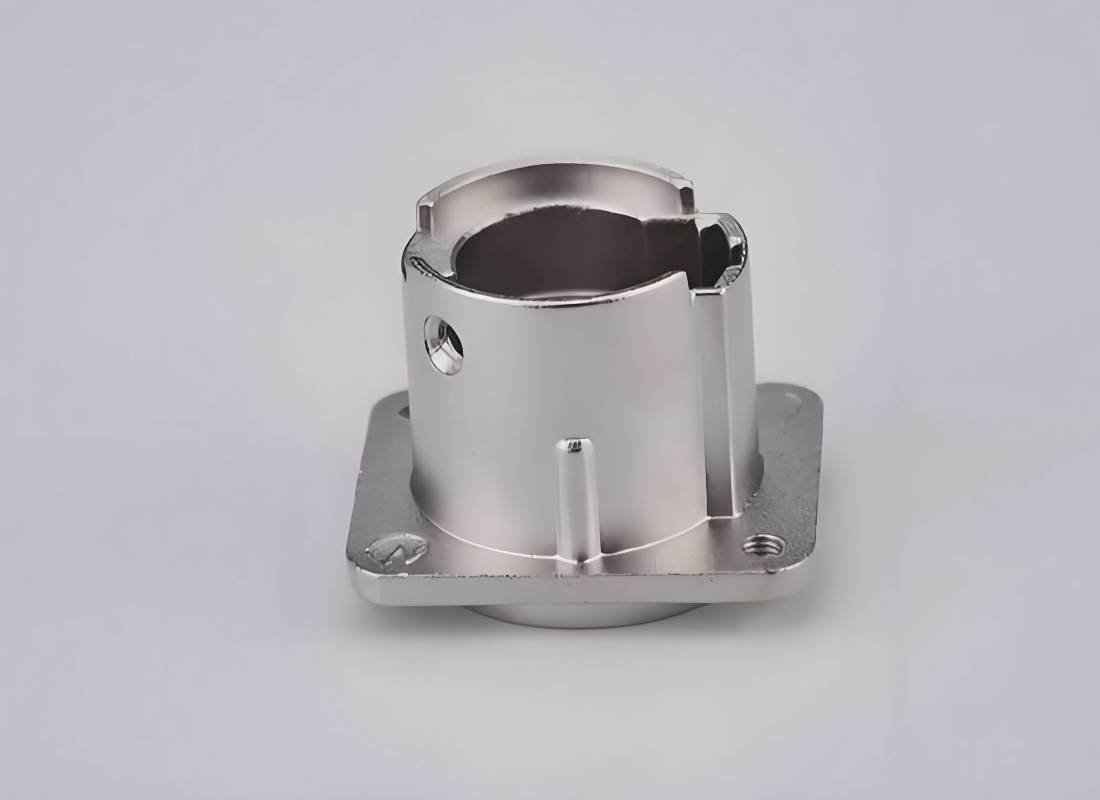
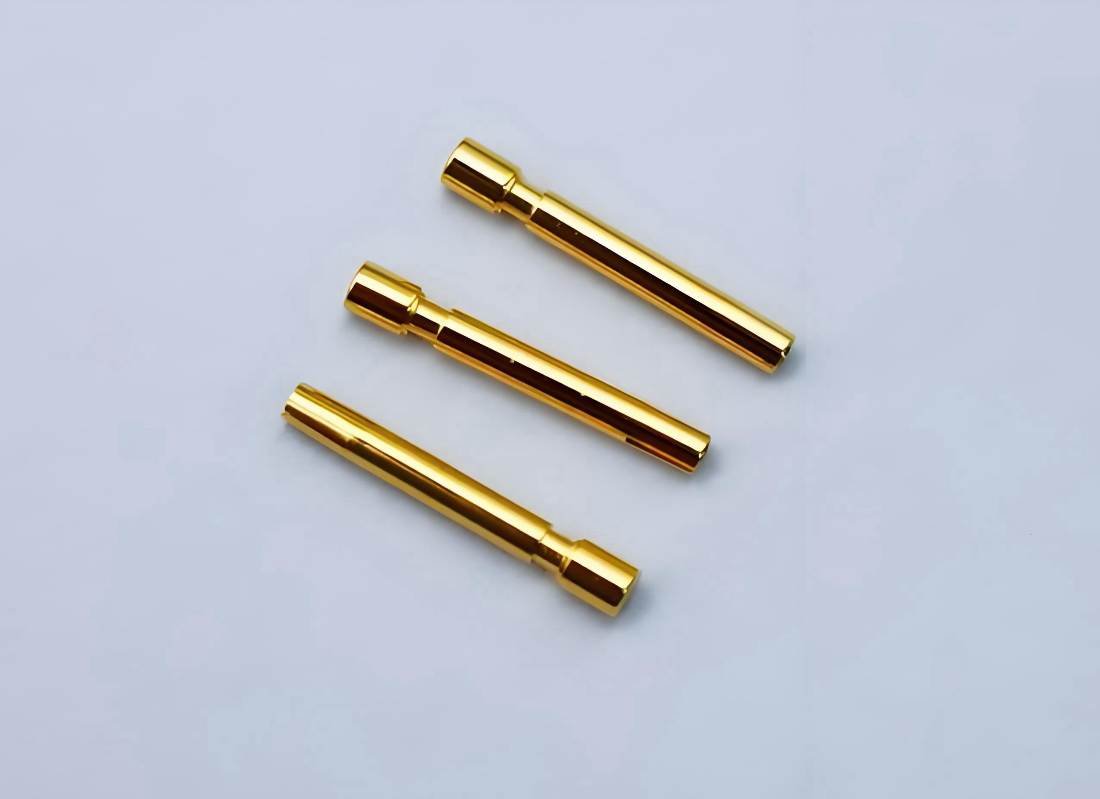
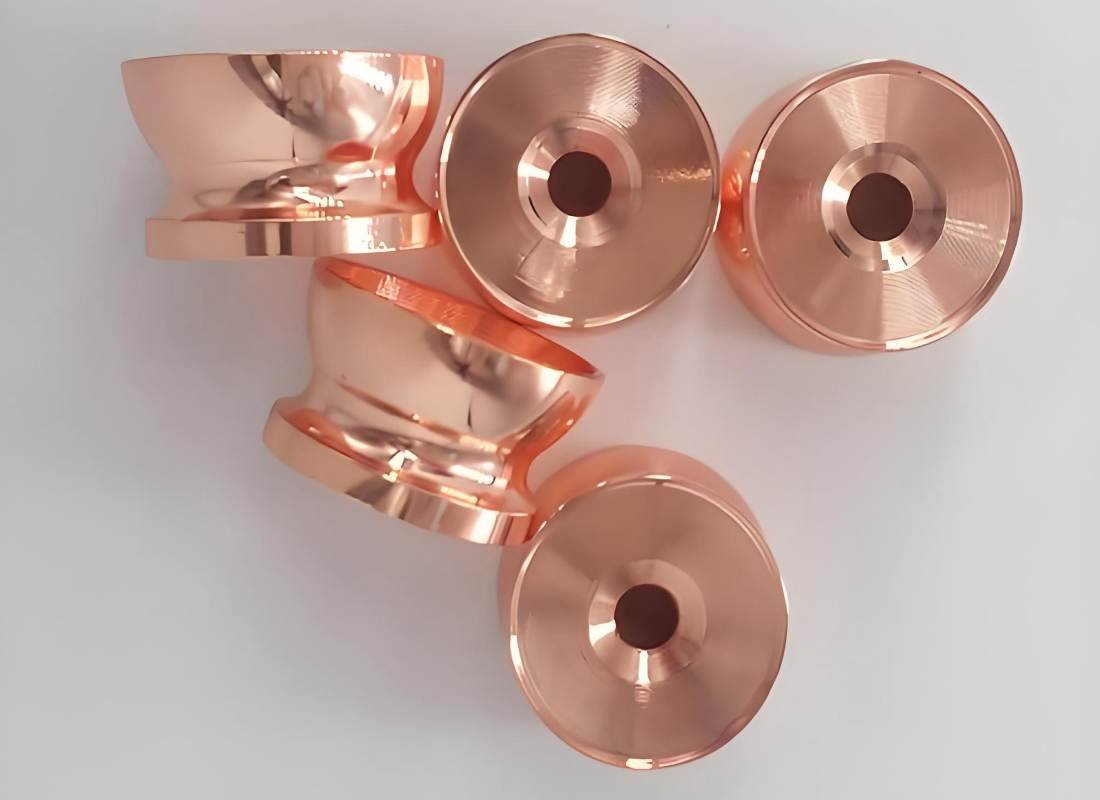
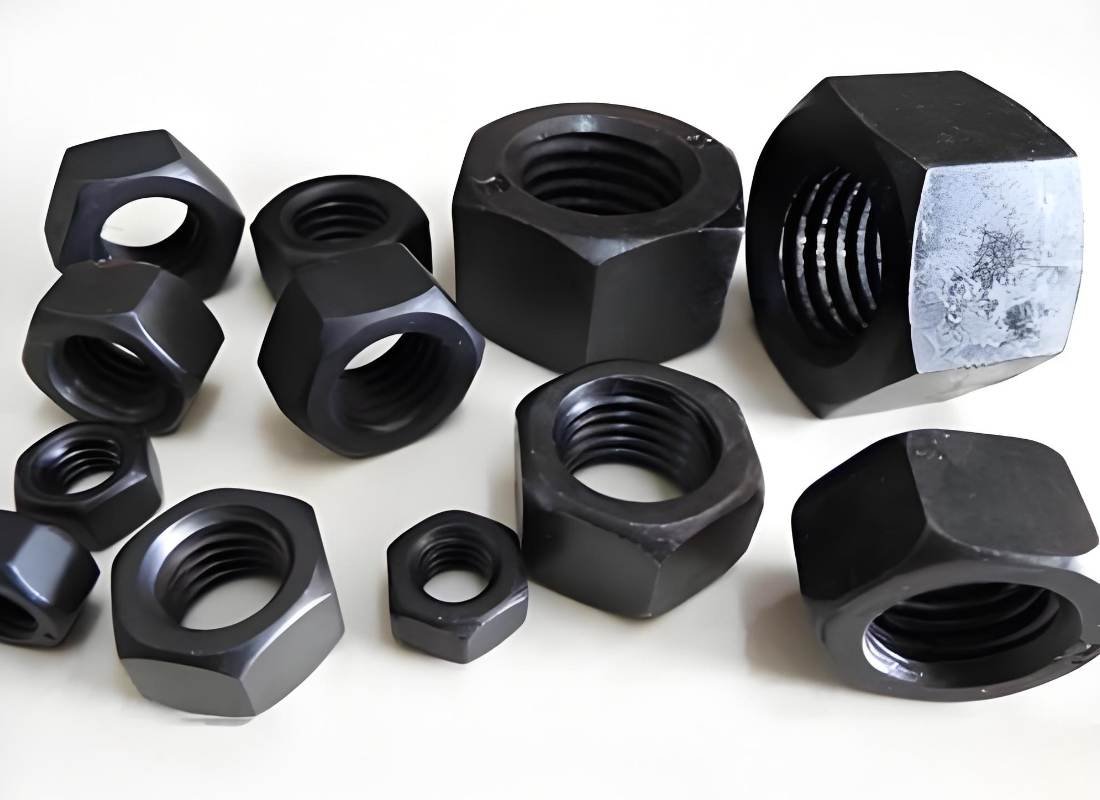
Electroplated Parts

FAQs
Hydrogen embrittlement is a phenomenon where hydrogen atoms introduced during the plating process make high-strength steel brittle. It is prevented by a post-plating heat treatment called "baking" or "stress relief."
Need to discuss surface finishes for your project?
Our expert engineers can analyze your application requirements and recommend the optimal solution.
Ready to Start Your Project?
Contact our team today to discuss your requirements and receive a customized quote for your needs.