Precision Compression Molding for Your Needs

Our advanced compression molding capabilities enable us to transform thermoset and thermoplastic materials into durable, high-performance parts that meet your exact specifications.
 
Whether you need prototype development or high-volume production, our engineering team provides end-to-end support throughout your project lifecycle.

Start your project now

ISO 9001:2015 Certified Processes

ISO 13485: 2016 Medical Device

IATF 16949: 2016 Automotive
AS9100 Quality Mangament

Faster Lead Time for Production Needs

In-Process Inspection with CMM

Custom Compression Molding Services

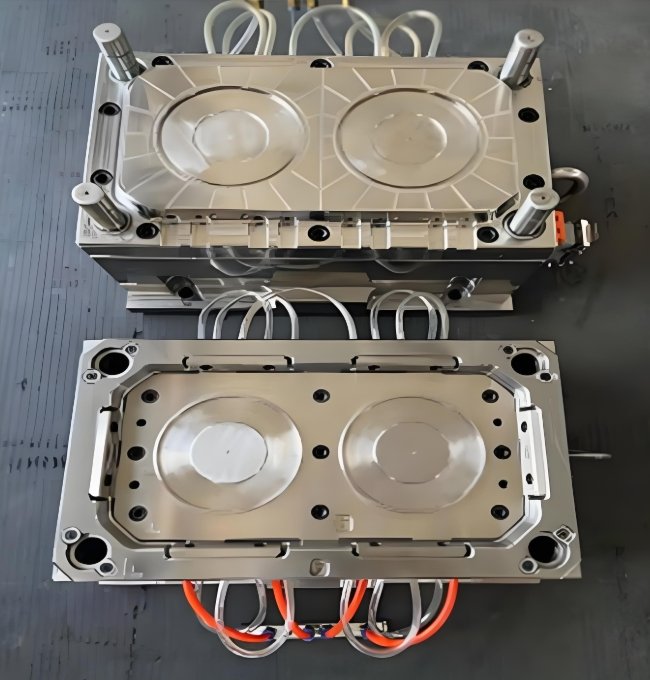
Compression molding is a manufacturing process where a preheated polymer material (thermoset or thermoplastic) is placed in an open mold cavity, then compressed and heated to form the desired shape. The mold closes under high pressure, curing the material into a solid product.

For high-precision components (e.g., automotive or aerospace parts), compression molding can be a good choice for superior dimensional stability, tooling costs, and scalability.

At Fecision, we specialize in custom compression molding services that deliver exceptional quality components for industries ranging from automotive and aerospace to consumer goods and medical devices.

Popular Features

Cost Efficiency

Ideal for large, flat parts (e.g., automotive panels) with low tooling costs and high-volume production.

Material Versatility

Compatible with thermosets (epoxy, phenolic), thermoplastics (PP, PVC), and composites (glass/carbon fiber-reinforced).

Uniform Stress Distribution

Minimizes warpage and enhances mechanical properties, critical for structural componentss.

The Compression Molding Process

The compression molding process combines precise temperature control, carefully calculated pressure, and expert material selection to create parts with exceptional structural integrity and surface finish. At Fecision, we've optimized each step of this process to deliver superior results.

Mold Design and Creation

Our engineering team designs and manufactures precision molds based on your part specifications, ensuring optimal material flow and dimensional accuracy.

Compression and Curing

The upper mold closes with controlled speed and pressure, forcing the material to fill the entire cavity. Heat and pressure are maintained for a specific time to ensure complete curing.

Material Preparation

We select and prepare the appropriate material (charge) based on your performance requirements, often preheating it to achieve optimal flow characteristics.

Cooling and Release

For thermoplastics, controlled cooling solidifies the part. For thermosets, the crosslinking reaction completes before the part is released.

Material Placement

The prepared charge is carefully positioned in the heated lower mold cavity, with precise measurement to minimize waste and flash.

Finishing

Any flash is removed, and additional finishing operations are performed as needed to meet final specifications.

Compression Molding with Insert Molding & Overmolding

At Fecision, we enhance the capabilities of traditional compression molding by incorporating advanced hybrid techniques like insert molding and overmolding.
These specialized processes allow for the creation of complex, multi-material components that deliver superior performance and value.

Insert Molding

Insert molding integrates pre-formed components directly into the compression molding process. Metal inserts, electronic components, or other elements are placed in the mold before the compression material is added, creating a permanent bond during the molding cycle.

This technique is ideal for creating parts with enhanced structural integrity, electrical conductivity, or specialized functionality without secondary assembly operations.

Overmolding

Overmolding in compression molding involves applying a second layer of material over an existing part. This creates components with multiple materials, textures, or colors in a single unified structure.

Fecision's overmolding capabilities allow for creating parts with selective reinforcement, improved ergonomics, vibration dampening, or enhanced aesthetic appeal.

Materials Used in Compression Molding

Compression molding accommodates a wide range of materials, each offering distinct performance characteristics. At Fecision, we help you select the optimal material for your specific application requirements, balancing factors like mechanical properties, temperature resistance, chemical compatibility, and cost-effectiveness.

Phenolic Resin (PF)

     Phenolic resins (Phenol-Formaldehyde) are synthetic polymers formed by the reaction of phenol or substituted phenol with formaldehyde under the action of a catalyst. They can be further classified into novolac resins and resol resins based on the reaction conditions and ratios of the reactants.
 
  • Properties:
①High heat resistance (up to 300°C) and electrical insulation properties
②Good dimensional stability and resistance to wear and abrasion
③Resistant to many chemicals, solvents, and acids
④Excellent mechanical strength 
 
  • Application:
① Electrical Industry: Circuit breakers, switchgear components, insulators
② Automotive: Brake pads, clutch plates, distributor caps
③ Industrial Equipment: Gears, pump parts, high-temperature mechanical components

Melamine Formaldehyde (MF)

     Melamine formaldehyde is a type of thermosetting resin that is known for its hardness, stability, and resistance to heat and chemicals. It is a high-performance plastic often used for producing rigid and durable parts.
 
  • Properties:
①High heat resistance and low moisture absorption
②Good chemical resistance and surface hardness
③Can be easily molded into complex shapes
④Good electrical insulation performance
 
  • Application:

① Consumer Goods: Dinnerware, trays, kitchenware
② Electrical Industry: Switches, sockets, lamp holders
③ Furniture / Decorative Panels: Laminates, panels, knobs

Polypropylene (PP)

     Polypropylene is a semi-crystalline thermoplastic with good mechanical properties, including high tensile strength, stiffness, and impact resistance.
 
  • Properties:
①A relatively high melting point gives it good heat resistance
②Resistant to chemicals
③Excellent fatigue resistance
 
  • Application:

① Automotive: Bumpers, interior panels, battery trays
② Consumer Goods: Storage containers, appliance housings, reusable boxes
③ Packaging Industry: Food containers, caps, industrial packaging

Polyethylene (PE)

     Polyethylene is a thermoplastic polymer with a wide range of densities, including low-density polyethylene (LDPE), linear low-density polyethylene (LLDPE), and high-density polyethylene (HDPE).
 
  • Properties:

①LDPE is flexible, transparent, and has good chemical resistance. 

②LLDPE offers enhanced strength and toughness compared to LDPE.

③HDPE is more rigid, has higher tensile strength, and excellent chemical resistance.


  • Applications:

① Packaging Industry: Bottles, containers, shrink films
② Automotive: Fuel tanks, fender liners, protective covers
③ Consumer Goods: Cutting boards, toys, appliance housings

Polyester Resin (UP)

    Polyester Resins (Unsaturated polyester resins) are polymers composed of unsaturated dibasic acids or anhydrides, saturated dibasic acids or anhydrides, and diols. They contain double bonds in the molecular structure, which can be cross-linked and cured under the action of initiators and accelerators.
 
  • Properties:
①Good tensile strength and flexibility
②Resistant to environmental factors like water and UV light
③Cost-effective for high-volume production
 
  • Application:

① Automotive: Body panels, bumpers, under-the-hood covers
② Electrical Industry: Switchgear housings, insulating panels
③ Construction / Furniture: Decorative panels, laminates, sanitary ware

Epoxy Resin (EP)

    Epoxy resin is a thermosetting polymer made from the reaction of epoxide groups with curing agents.
 
  • Properties:
①Excellent adhesive properties
②High strength and resistance to chemicals and heat
③Good electrical insulating properties
 
  • Application:

① Electrical Industry: Insulators, switchgear housings, transformer components
② Aerospace / Automotive: Structural reinforcements, composite panels
③ Industrial Equipment: High-strength tool components, machine housings

Polyurethane (PU)

    Polyurethane is a versatile thermosetting polymer that can be molded into various forms, including rigid foams, flexible foams, and elastomers.
 
  • Properties:
①Good mechanical properties, including high wear resistance
②High flexibility and toughness
③Excellent resistance to abrasion, oils, and solvents
④Excellent damping characteristics
 
  • Application:

① Automotive: Bushings, seals, suspension mounts
② Consumer Goods / Sports: Wheels, handles, cushioning parts
③ Industrial Applications: Conveyor rollers, gears, wear-resistant liners

Can You Laser Cut Polycarbonate?

Urea-Formaldehyde (UF)

     A thermosetting resin made from urea and formaldehyde, known for its hard, glossy finish and good dimensional stability.
 
  • Properties:
①Cost-effective
②Strong surface hardness
③Good electrical insulation
 
  • Application:

① Electrical Industry: Circuit breaker housings, switchgear components, insulators
② Consumer Goods: Appliance handles, knobs, small household components
③ Furniture & Decorative Panels: Laminates, drawer pulls, decorative knobs

Polyphenylene Sulfide (PPS)

      A high-temperature, semi-crystalline engineering thermoplastic with excellent chemical resistance and inherent flame retardancy.
 
  • Properties:
① High thermal stability and dimensional accuracy
② Exceptional chemical and corrosion resistance
③ Naturally flame-retardant and electrically insulating
 
  • Application:

① Electrical & Electronics: Connectors, terminal blocks, insulating components
② Automotive: Pump housings, valve components, under-the-hood parts
③ Industrial Equipment: Gears, bearings, chemical-resistant machine parts

Polyether Ether Ketone (PEEK)

      A high-performance semi-crystalline thermoplastic with outstanding mechanical strength, chemical resistance, and dimensional stability even at elevated temperatures.
 
  • Properties:
① High heat resistance with melting point around 343°C
② Excellent wear and chemical resistance
③ Superior dimensional stability and mechanical strength
 
  • Application:

① Aerospace & Aviation: Structural components, insulation parts, bearings
② Automotive: Fuel system components, seals, under-the-hood high-temperature parts
③ Medical & Healthcare: Surgical instruments, implants, sterilizable device components

Polytetrafluoroethylene (PTFE)

      A fluoropolymer thermoplastic best known for its low friction, chemical inertness, and outstanding non-stick properties.
 
  • Properties:
① Extremely low coefficient of friction
② Excellent chemical and thermal resistance (up to 260°C)
③ Superior electrical insulation properties
 
  • Application:

① Chemical & Process Industry: Seals, gaskets, valve seats, liners
② Automotive & Aerospace: Bearings, bushings, high-temperature insulation parts
③ Electrical & Electronics: Cable insulation, dielectric components, connectors

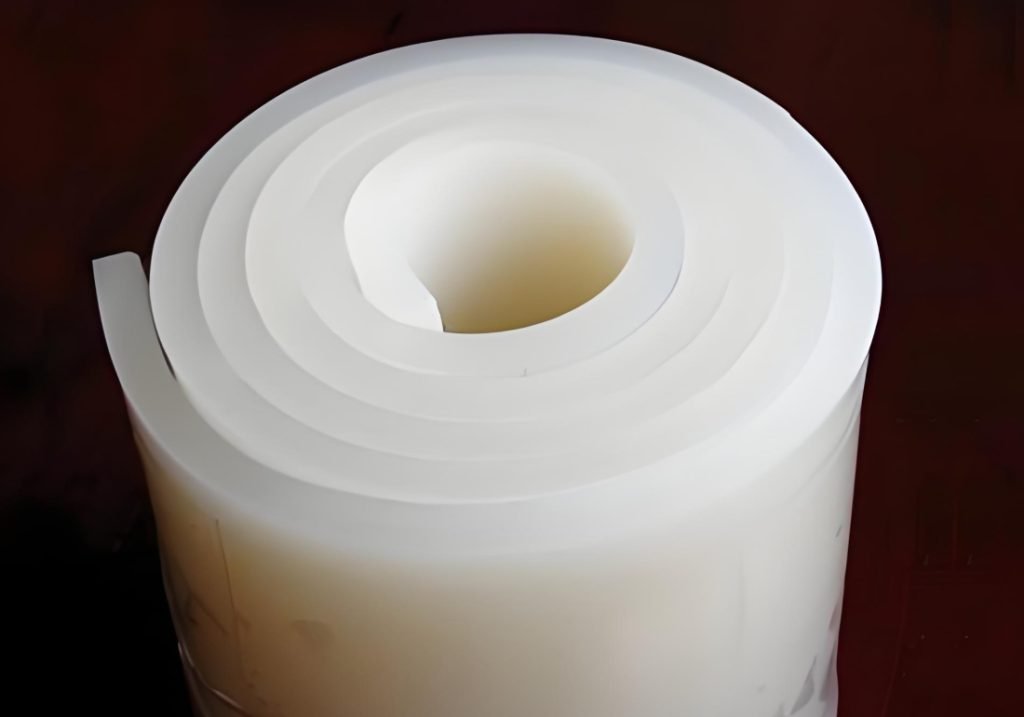
Silicone Rubber

    A thermosetting elastomer with a flexible, rubber-like structure, known for its wide temperature tolerance and elasticity.
 
  • Properties:
①Exceptional flexibility
②Heat and cold resistance (-60°C to 230°C)
③Biocompatible and UV-resistant
④Good weathering, aging, and chemical resistance
 
  • Application:

① Medical & Healthcare: O-rings, gaskets, tubing, seals for medical devices
② Automotive: Engine gaskets, seals, vibration dampers, hoses
③ Consumer Goods & Electronics: Kitchenware, appliance seals, keypads, protective covers

Need Help Selecting the Right Material?

Our materials expertise extends to specialized formulations with custom fillers, reinforcements, and additives to achieve specific performance characteristics. We can help you select materials that meet industry-specific requirements including FDA compliance, UL ratings, and automotive specifications.

Common Surface Finishes for Compression Molding

Electroplating

Depositing metal layers (e.g., chrome, nickel) onto plastic surfaces via electrolysis.

  • Chrome Electroplating
  • Nickel Electroplating

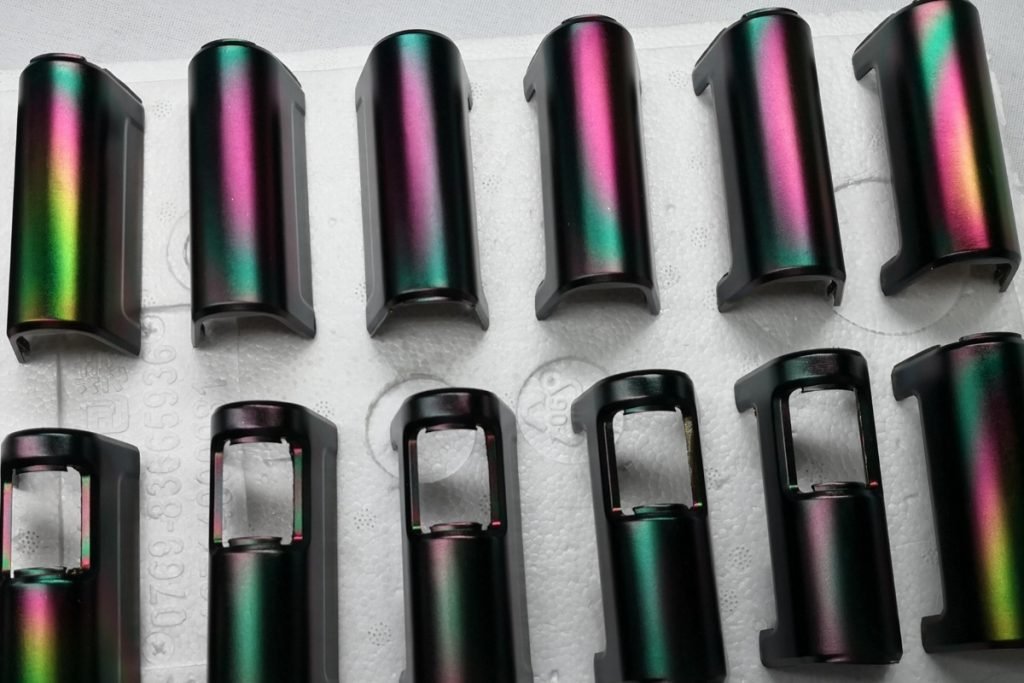
Spraying Coating

Spraying or electrostatic coating applies layers.

  • UV Coating: Provides scratch resistance and glossy finishes.
  • Metallic Paint: Adds aesthetic appeal with reflective surfaces.

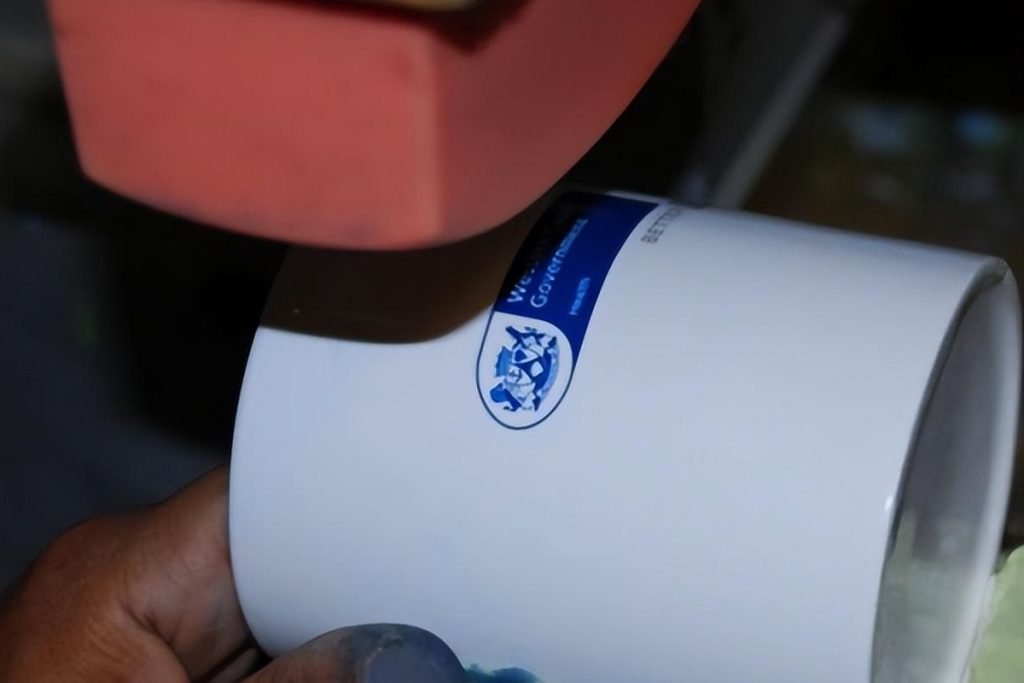
Pad Printing

Pad printing is an indirect offset printing technique that transfers ink from an etched plate (cliché) to a substrate using a silicone pad. It excels in printing on irregular, curved, or textured surfaces.

Laser Engraving

Laser ablation creates permanent markings (logos, serial numbers) without affecting structural integrity.

Hot Stamping

Hot stamping involves using heat and pressure to transfer a thin film or foil onto the surface of a substrate.

Vacuum Metallization (PVD/CVD)

Deposits thin metal or ceramic coatings (e.g., aluminum, titanium nitride) in a vacuum chamber.

Compression Molding Applications

Industries We Serve

Compression molding's versatility makes it ideal for a wide range of applications across multiple industries. At Fecision, we've developed specialized expertise in compression molding solutions for diverse market sectors.

Medical & Healthcare

Biocompatible device housings and components
Surgical instrument parts
Diagnostic equipment components
Laboratory equipment and fixtures
Orthopedic and prosthetic components

Automotive

Body panels and exterior components
Under-hood components
Interior trim and structural elements
Electrical housings and insulators
NVH (noise, vibration, harshness) components

Aerospace & Defense

Structural components
Flame-retardant interior components
Electrical insulators and connectors
Radomes and antenna housings
Thermal protection components

Consumer Products

Kitchenware and dinnerware
Appliance components and housings
Sporting equipment components
Tool handles and housings
Furniture components and fixtures

Electrical & Electronics

High-voltage insulators
Switch and breaker housings
Terminal blocks and connector bodies
EMI/RFI shielding components
Heat-resistant electronic enclosures

Industrial Equipment

Pump and valve components
Wear plates and bushings
Chemical processing equipment parts
Conveyor system components
Heavy equipment guards and covers

Compression Molding Design Guide

Successful compression molded parts begin with design that accounts for the unique characteristics of the process.
Our engineering team works closely with clients to optimize designs for manufacturability while maintaining critical functional requirements.

Key Design Considerations for Compression Molding

Design ElementRecommendationRationale
Draft Angles2-5° minimum for thermosets
1-3° for thermoplastics
Facilitates part release from the mold without damage
Wall ThicknessMinimum 1.5mm (0.060″)
Maximum 25mm (1.0″)
Ensures proper material flow and curing while preventing sink marks
Corner RadiiMinimum 0.8mm (0.030″)Prevents stress concentration and improves material flow
Ribs & Gussets50-70% of wall thicknessProvides structural support while preventing sink marks
UndercutsAvoid when possible
Limited to 0.5mm (0.020″) max
Simplifies mold design and part ejection
Parting LinePlace at widest part cross-sectionOptimizes material flow and minimizes visible flash

Design Optimization Services

Fecision offers comprehensive design for manufacturability (DFM) services to optimize your parts for the compression molding process.

Review existing designs for compression molding compatibility

Recommend design modifications to improve quality and reduce costs.

Perform material flow and structural analysis simulations

Develop prototypes to validate design concepts

Create detailed mold designs optimized for your specific part requirements

Advantages of Compression Molding

  • Superior Structural Integrity – Creates parts free of knit lines and flow-induced stress, resulting in exceptional strength and durability.
  • Excellent for Fiber Reinforcement – Preserves fiber length and orientation, maximizing the mechanical properties of reinforced materials.
  • Cost-Effective Tooling – Lower pressure requirements allow for less expensive tooling compared to injection molding, especially for large parts.
  • Minimal Material Waste – Precise charge preparation results in very little material waste, reducing overall production costs.
  • Large Part Capability – Well-suited for manufacturing large, flat, or slightly curved components that would be challenging with other processes.
  • Excellent Surface Finish – Can produce Class A surfaces directly from the mold, reducing finishing requirements.
  • Low Internal Stress – Parts exhibit minimal residual stress, resulting in better dimensional stability and performance.
  • Material Versatility – Compatible with a wide range of thermosets and thermoplastics, including highly filled and reinforced compounds.

Limitations of Compression Molding

  • Longer Cycle Times – Generally requires longer processing times compared to injection molding, affecting production rates.
  • Design Constraints – Less suitable for parts with complex geometries, deep draws, or intricate details.
  • Limited Undercuts – Significant undercuts are difficult to accommodate without complex mold designs.
  • Flash Removal – May require secondary operations to remove flash from parting lines.
  • Material Preparation – Requires precise measurement and preparation of the charge material.
  • Thickness Variations – Can be challenging to maintain uniform wall thickness in complex parts.
  • Initial Setup Time – Process parameter optimization may require more extensive setup time.
  • Less Automation – Typically requires more manual operations compared to fully automated injection molding.

Compression vs. Injection Molding

While compression molding and injection molding are both effective plastic forming processes, they have distinct characteristics that make each better suited for specific applications. Understanding these differences helps in selecting the optimal manufacturing method for your parts.

CharacteristicCompression MoldingInjection MoldingBest For
Process PrincipleMaterial placed in open mold, compressed with heatMolten material injected into closed mold cavityDepends on part design and material
Suitable MaterialsExcellent for thermosets, reinforced materials, and high-viscosity compoundsBest for thermoplastics and materials requiring precise flow controlThermosets: Compression
Thermoplastics: Either
Part SizeWell-suited for large, flat, or slightly curved partsBetter for smaller, more complex geometriesLarge parts: Compression
Small parts: Injection
ComplexityLimited complexity, minimal undercutsHandles complex geometries, fine details, and undercutsComplex parts: Injection
Simple parts: Either
Cycle TimeLonger (typically 1-5 minutes)Shorter (typically seconds)High volume: Injection
Low/medium volume: Either
Tooling CostLower due to simpler mold design and lower pressure requirementsHigher due to complex mold design and high pressure requirementsBudget-sensitive: Compression
High volume: Injection
Material WasteMinimal waste, typically 2-5%Higher waste from runners and sprues, typically 5-10%Material efficiency: Compression
Structural IntegritySuperior, with no knit lines or flow-induced stressGood, but may have knit lines at flow convergence pointsStructural applications: Compression
Production VolumeLow to medium volumesMedium to high volumesHigh volume: Injection
Low volume: Compression

At Fecision, we offer both compression molding and injection molding capabilities, allowing us to recommend and implement the optimal manufacturing process based on your specific part requirements, production volumes, and budget considerations. Our engineering team can help evaluate your project needs and determine which process will deliver the best combination of quality, cost-effectiveness, and performance.

Why Fecision for Compression Molding?

Industry Expertise

Our team has years of experience across multiple industries, including automotive, medical, consumer goods, electronics, and packaging. We understand the unique challenges of each sector and offer expert solutions tailored to your needs.

Quality Assurance

Our products are trusted by high-profile customers from industries across Japan, Germany, the United States, and beyond, meeting strict and complete quality standard. Access to ISO 9001: 2015 quality certification and our manufacturing partners certified to ISO 13485: 2016, ISO 14001: 2015, and IATF 16949: 2016.

Sustainable Practices

We are committed to sustainability and offer eco-friendly plastic options, as well as processes that minimize waste and energy usage, making us a responsible partner for your business.

How to Work with Us

The plastic molding process involves numerous parameters that must be carefully regulated to maintain the quality and consistency of the produced components.
 

Submit Drawings

For a free quote, please submit a product description along with a technical drawing. We also offer reverse engineering services to assist you.

DFM & Quotation

We will provide a DFM (Design for Manufacturability) report or mold flow analysis report. Please be aware that further discussions may be needed during the process.

Mold Manufacturing

Upon your confirmation to the mold design, our team will begin making mold components, which will then be sent for inspection and assembly.

Compression Molding

Once the mold is complete, we will initiate the plastic molding process. A T1 sample will be provided for you to check whether the product details align with your specifications. After approval we will continue massive production.
Delivery

Your custom-designed plastic parts undergoes thorough inspection, will be carefully packaged, and delivered to you.

Recent Projects

Partner with Fecision for Your Compression Molding Needs

From concept development through production, our team provides comprehensive support for your custom compression molding projects. With state-of-the-art equipment, material expertise, and decades of manufacturing experience, we deliver high-quality parts that meet your exact specifications.

Compression Molding FAQs

Compression uses preheated material in an open mold, while injection forces molten material into a closed mold.

Low-viscosity thermoplastics (e.g., PET) may leak from molds.

Limited to moderate complexity; undercuts require specialized tooling.

2-10 minutes, depending on material curing requirements.
Use preforms and optimize pressure/temperature profiles.

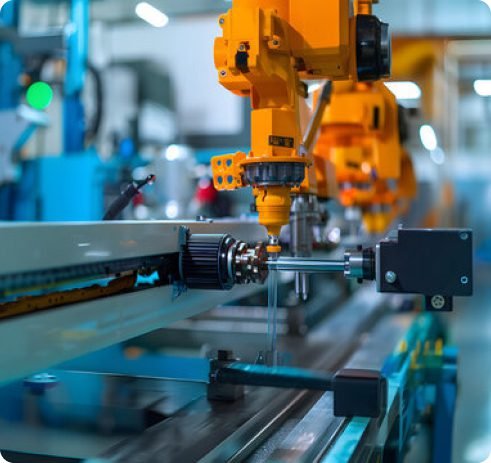
Yes, robotic systems handle preform placement and part ejection.

Tool steel, aluminum alloys, or chrome-plated surfaces for high-wear resistance.

Yes, for multi-material parts (e.g., rubber grips on plastic handles) .

Precise mold alignment and controlled cooling rates.
Automotive, aerospace, and electronics for high-strength, lightweight parts.

Related Services

Metal Stamping

standard injection molding

Injection Molding

Metal Extrusion

Themoforming

Is Die Cast Aluminum Safe?

Die Casting

manufacturing services-cnc machining

CNC Machining

Start your project now