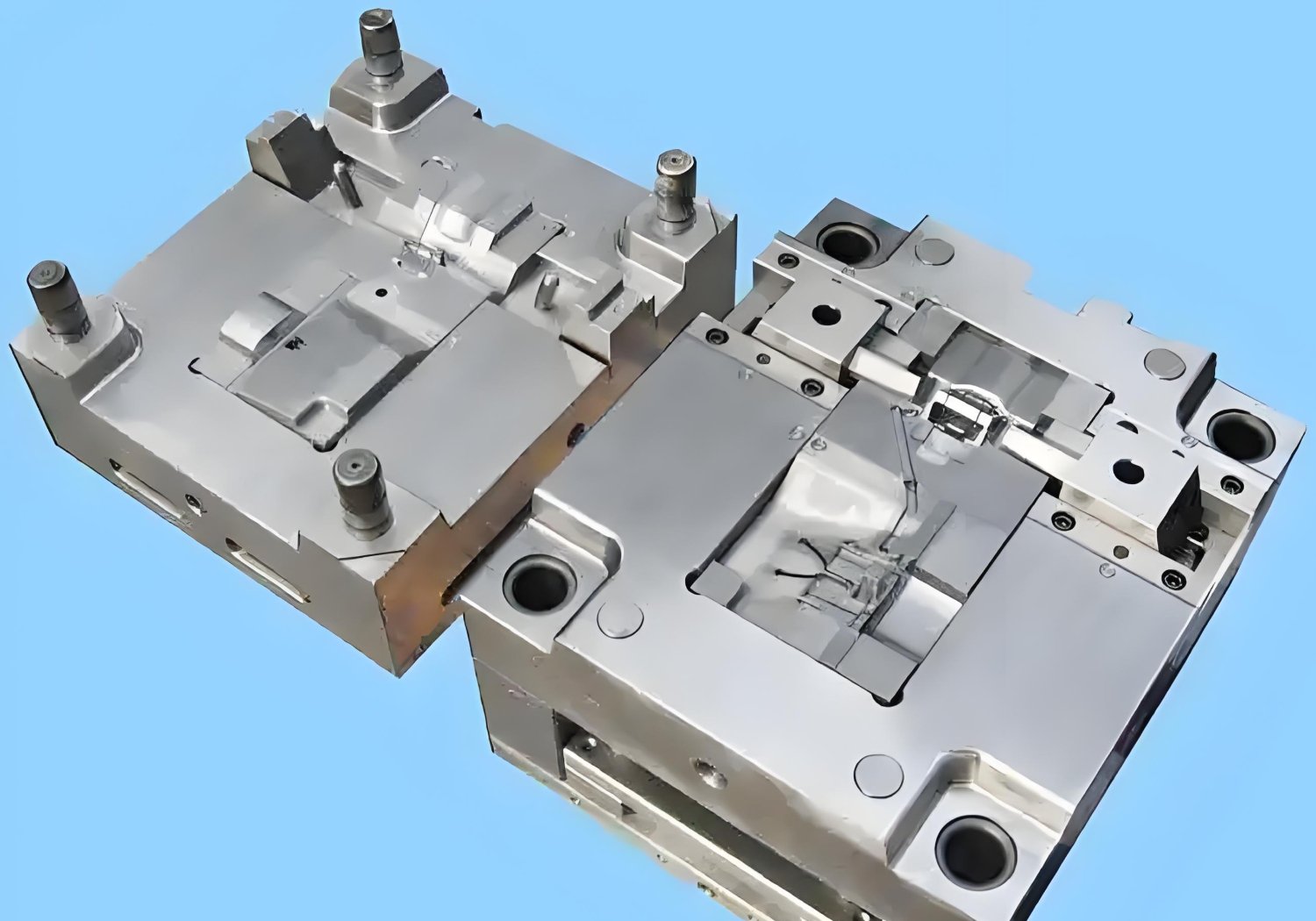
Punch Holders
- Robust Clamping: Locks punches firmly to prevent slippage.
- Accurate Positioning: Maintains punch alignment for flawless molding.
- Long-Lasting Design: Resists wear under high-pressure conditions.
- Adaptable Fit: Works with diverse punch sizes and mold setups.
Expert Craftsmanship
20+ Years of Expertise
Tailored Solutions
Custom designs
Rigorous Quality Control
ISO 9001-Certified Quality
Competitive Pricing
Cost-effective solutions
Global Support
Reliable delivery & technical assistance
ISO 9001:2015 Certified Processes
ISO 13485: 2016 Medical Device
IATF 16949: 2016 Automotive
AS9100 Quality Managment
No Minimum Order Quantities
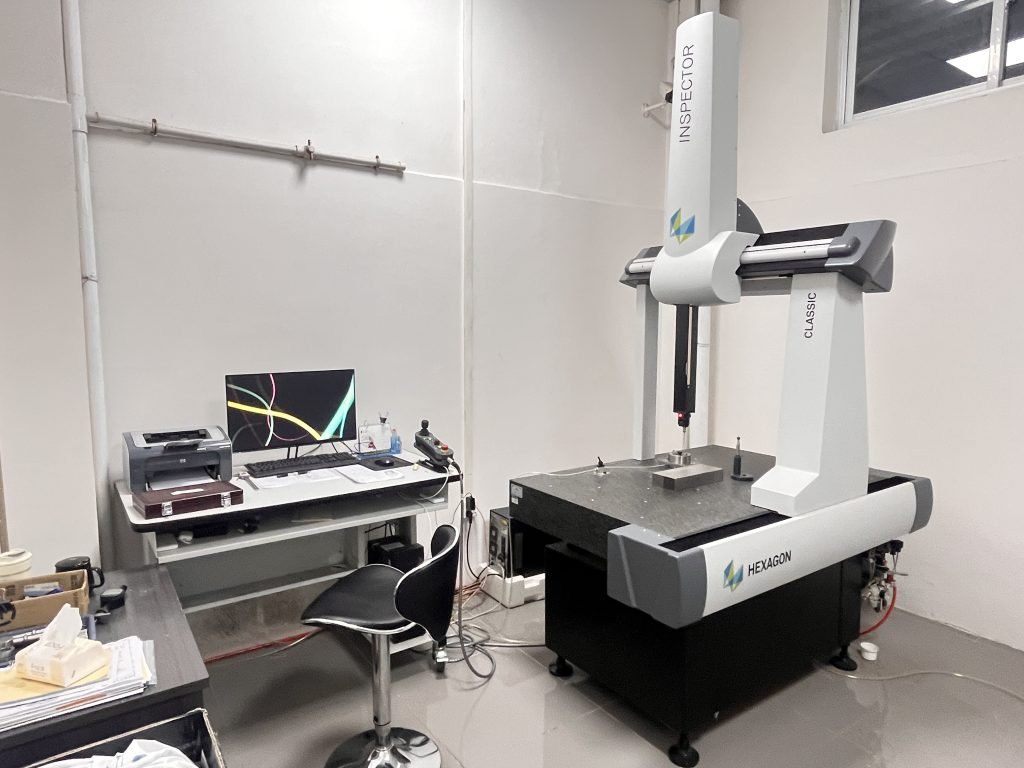
In-Process Inspection with CMM
Punch Holders: Durable Precision for Mold Parts
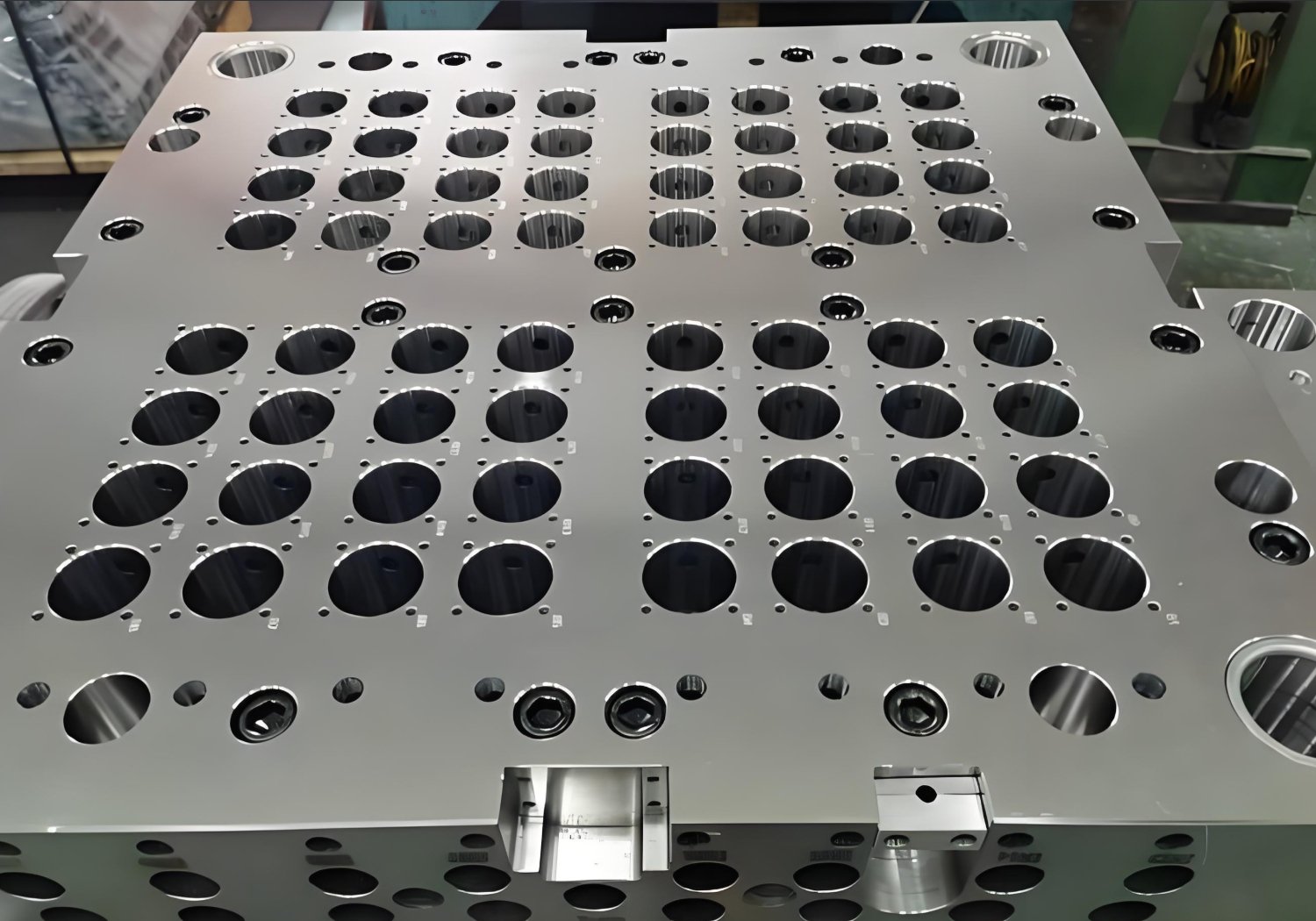
Punch holders are vital mold components designed to anchor punches securely during the molding process.
Engineered for precision and durability, these holders ensure consistent performance, minimizing tool wear and enhancing production efficiency. Perfect for industries like aerospace, automotive, and electronics, our punch holders deliver unmatched reliability.
Core Benefits
Material Options
High-Grade Tool Steel
- Balances strength and resilience (e.g., SKD11, H13).
Carbide
- Ideal for extreme wear resistance in precision tasks.
Stainless Steel
- Corrosion-resistant for harsh environments (e.g., SUS304).
Processing & Treatments
Hardening
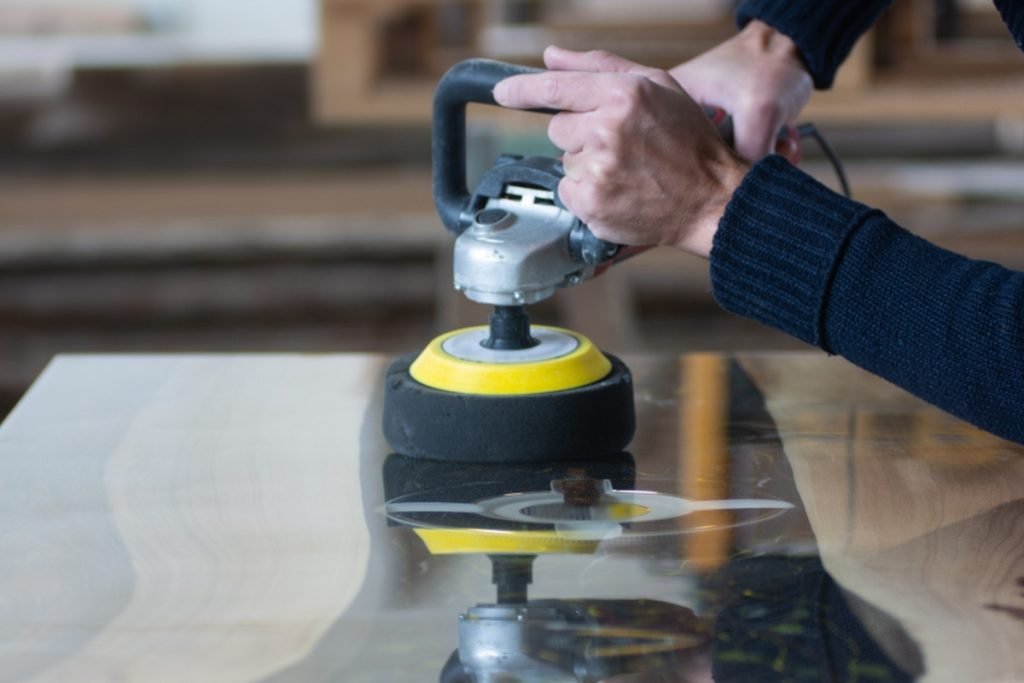
Grinding
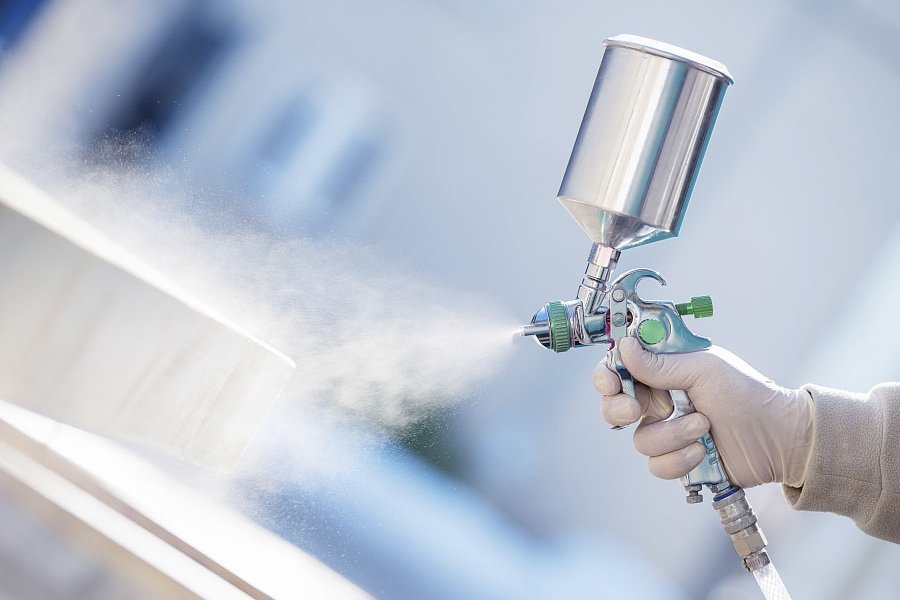
Coating Options
Technical Specs for Mold Punch Holders
Our processes ensure unmatched consistency and repeatability at fast lead times and affordable pricing.
| Parameter | Specification |
| Material Choices | Tool Steel (SKD11, H13), Carbide, Stainless Steel (SUS304) |
| Hardness Range | 60-64 HRC (varies by material) |
| Surface Quality | Machined to Ra ≤ 0.3 μm |
| Tolerance Precision | ±0.001 mm (adjustable per request) |
| Sizes | Standard and custom dimensions available |
| Delivery Timeline | 2-4 weeks (standard); rush orders available |
Custom specifications available upon request.
How to Choose
Punch Compatibility
Match holder size to punch dimensions.
Mold Design
Consider complexity and operational demands.
Volume Needs
Use carbide for intensive production runs.
Need help? Our experts are ready to assist with tailored advice.
Fecision Mold Component Tooling Network
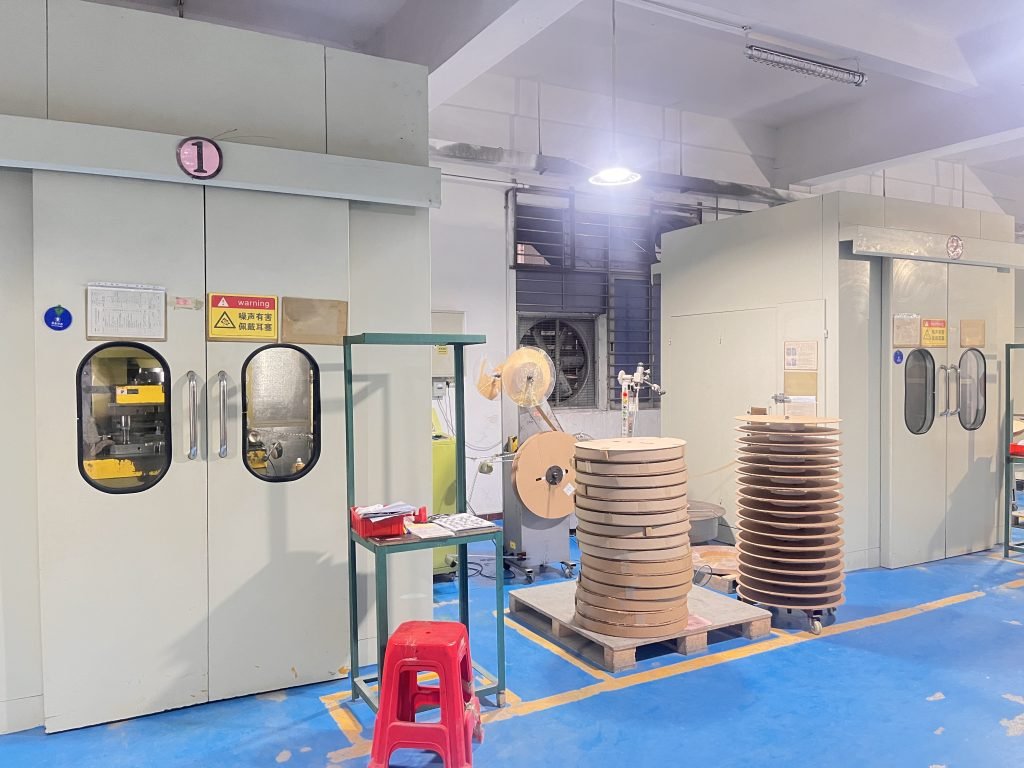
In response to different service types and diverse business needs, we have deployed suppliers with different manufacturing capabilities.
Why Fecision for Mold Components?
Precision and Accuracy
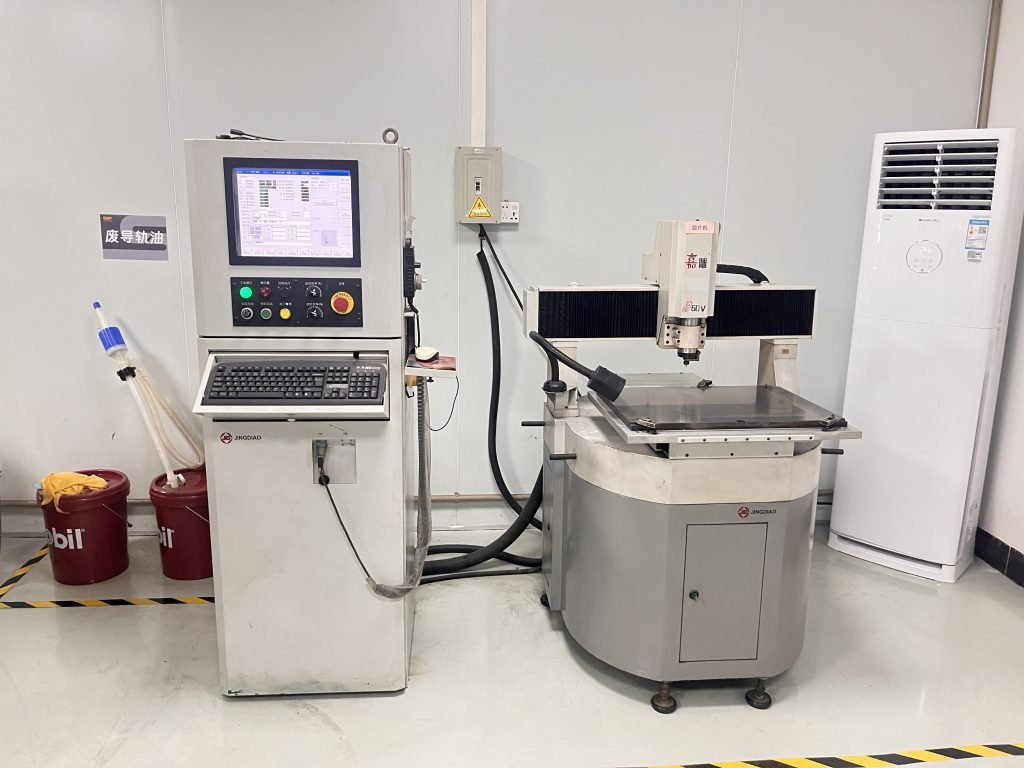
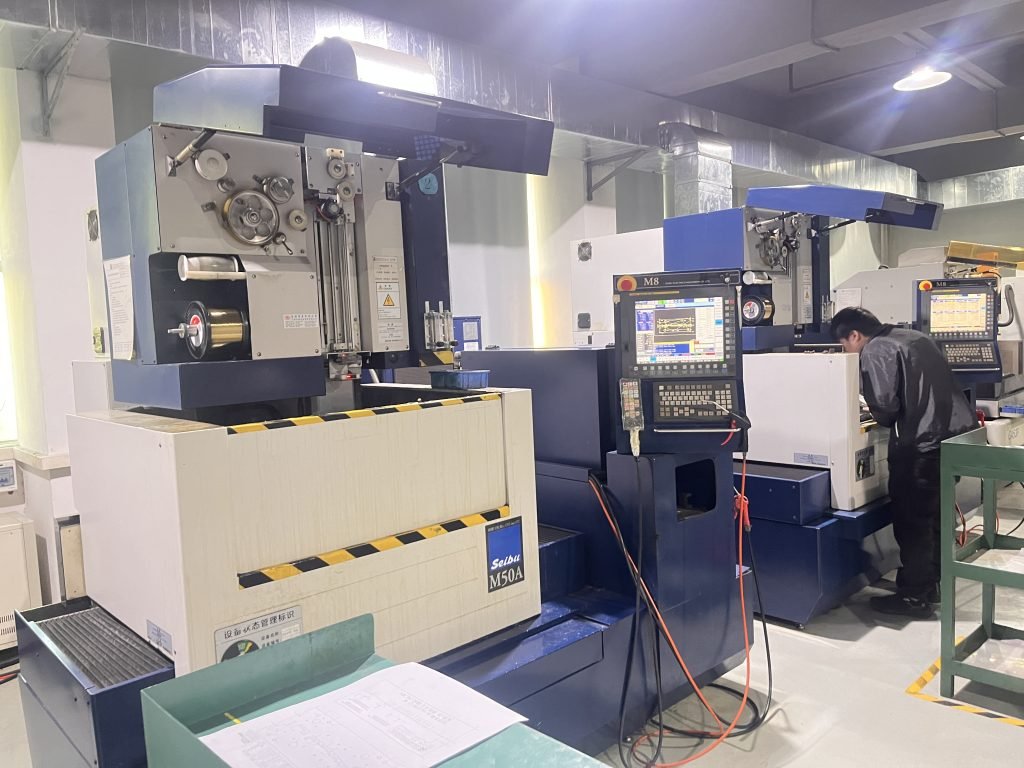
Using state-of-the-art CNC machining, EDM, and other advanced manufacturing techniques, Fecision ensures all mold components meet tight tolerances and high-quality standards.
Customization
Fecision understands the unique needs of each project. Our team works closely with customers to provide tailored solutions, ensuring that each component fits perfectly within the target mold system.
Rapid Prototyping
Fecision offers rapid prototyping for mold components, enabling customers to test and refine designs quickly before moving into full production.
End-to-End Services
From initial design and DFM (Design for Manufacturability) analysis to final mold assembly and testing, Fecision handles every aspect of the mold component manufacturing process.
Process for Manufacturing Mold Components
Manufacturability Evaluation
The initial step involves assessing the manufacturablity of the mold component. If it's deemed feasible, we proceed with production immediately. If not, we will provide a detailed DFM (Design for Manufacturability) report to the customer. If necessary, mold flow analysis is performed to simulate the flow of molten material within the mold.
Material Selection
Next, choose the right material for mold parts. Common materials for mold components include steel alloys, aluminum, stainless steel, specialty alloys, etc. If needed, a prototype may be made using rapid prototyping techniques (e.g., 3D printing, CNC machining) to test the design for fit, function, and manufacturability.
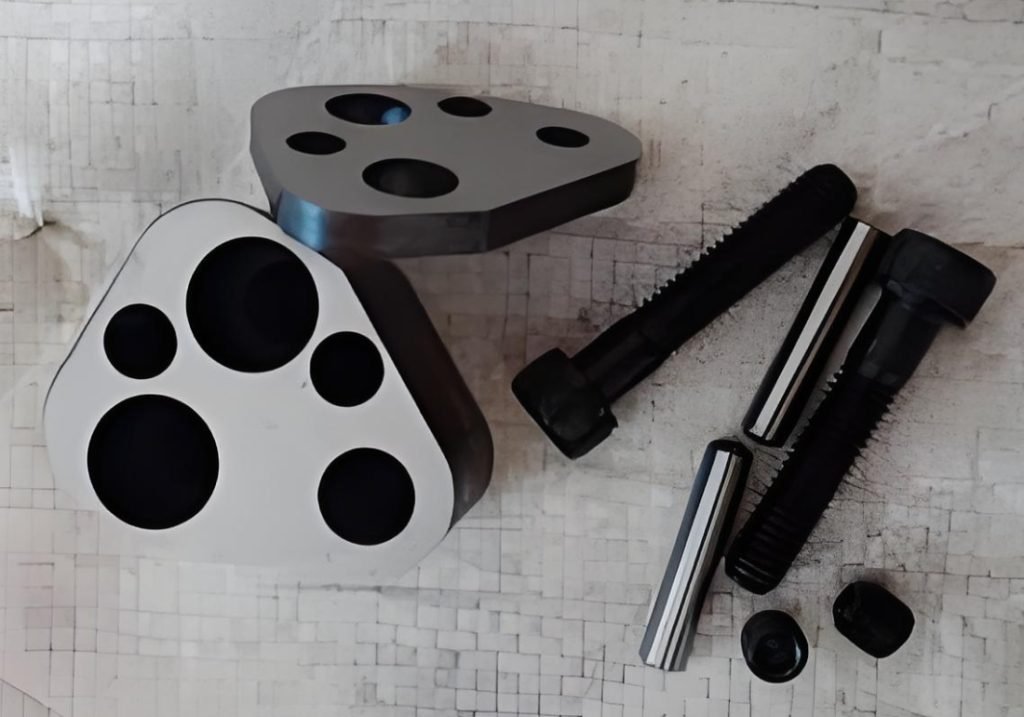
Mold Components Manufacturing
Once the design and materials are finalized, the mold component undergoes CNC machining. If required, the mold component may undergo heat treatment, depending on the material and intended application. For certain components, surface hardening methods such as nitriding or carburizing are applied to increase wear resistance.
Shipping
For molds with multiple components, such as multi-cavity molds or molds with inserts, the individual components are carefully assembled into the final mold system. Once our engineers confirm the product meets all requirements, it will be shipped. We maintain ongoing communication to ensure the customer is fully satisfied with the product they receive.
Get Started Today!
Upgrade your mold components with our premium punch holders.
Contact us now for a quote or expert consultation!