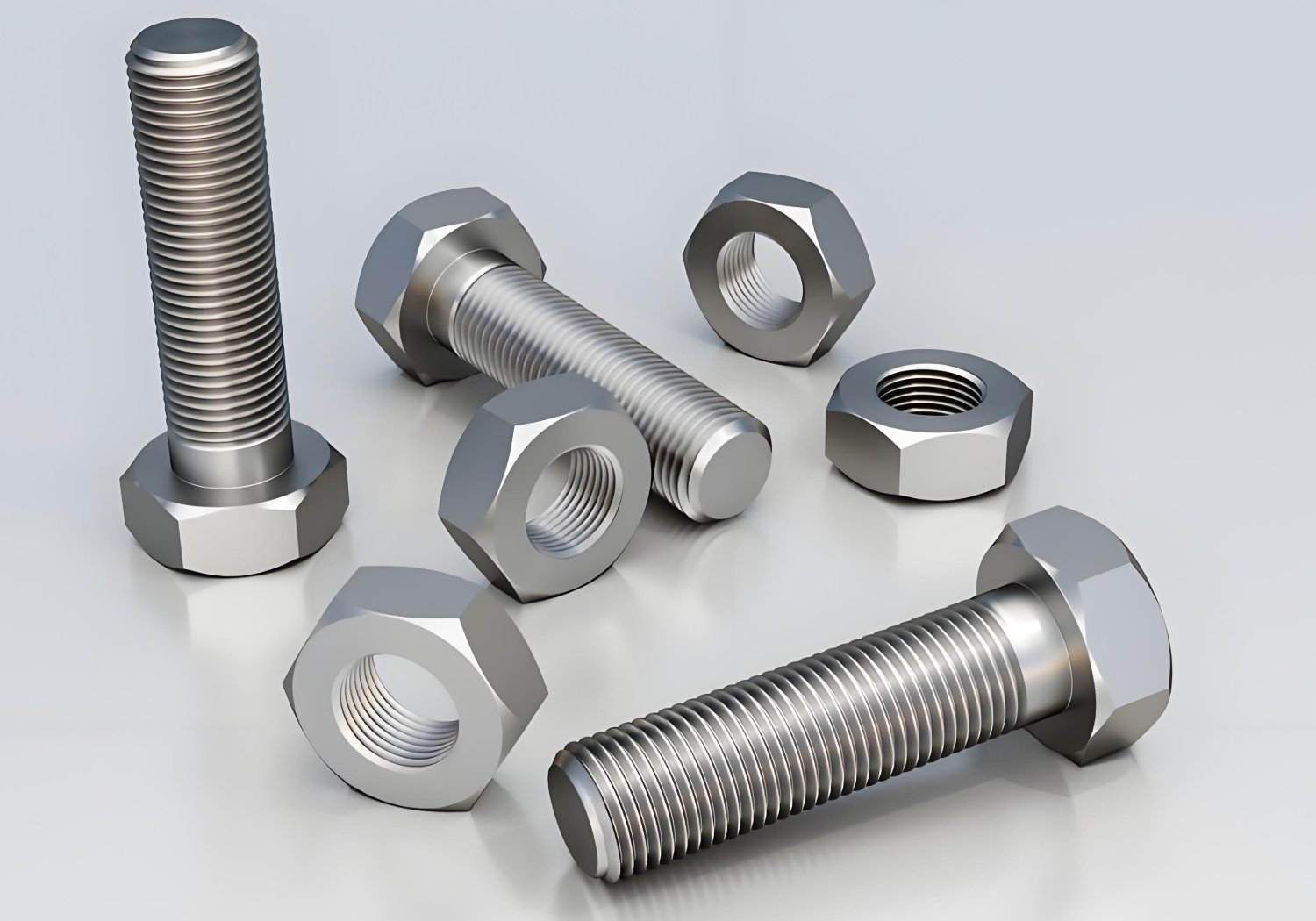
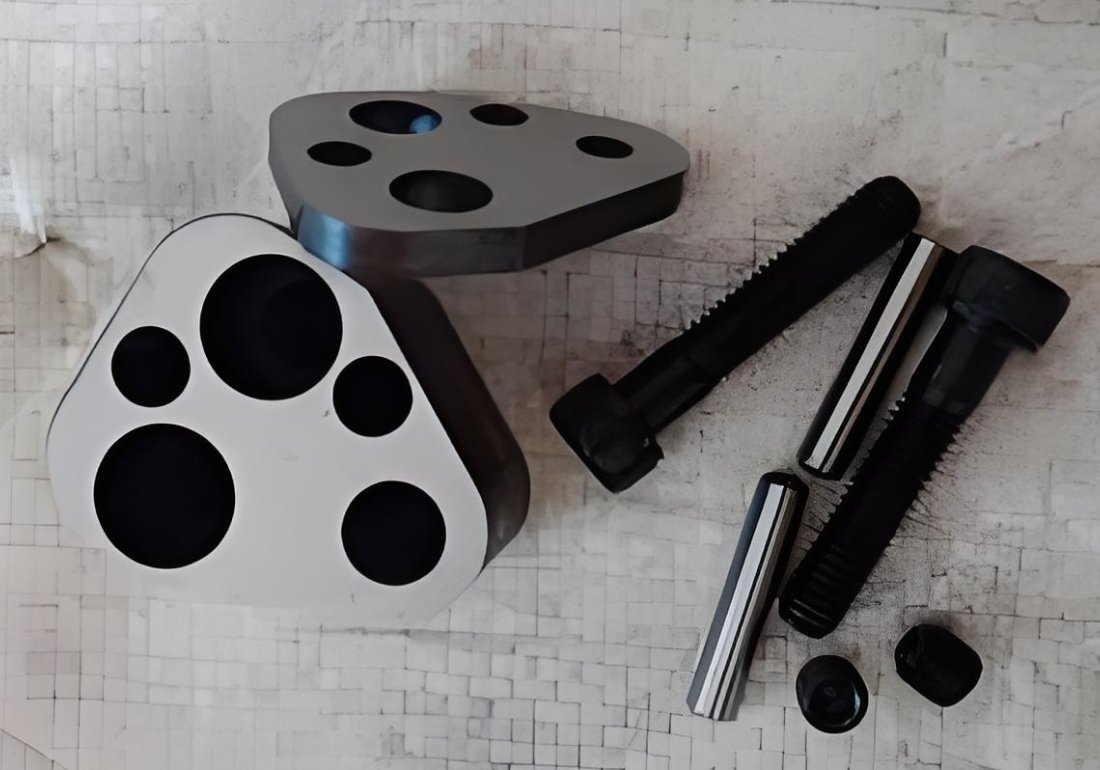
Mold Plate

  • Structural Integrity: Provides robust support for the entire mold assembly.
  • Precision Machining: Ensures accurate alignment and fit for all mold components.
  • Durability: Withstands high pressures and repeated cycles without deformation.
  • Customizability: Available in various sizes and configurations to fit diverse mold designs.

Expert Craftsmanship

20+ Years of Expertise

Tailored Solutions

Custom designs

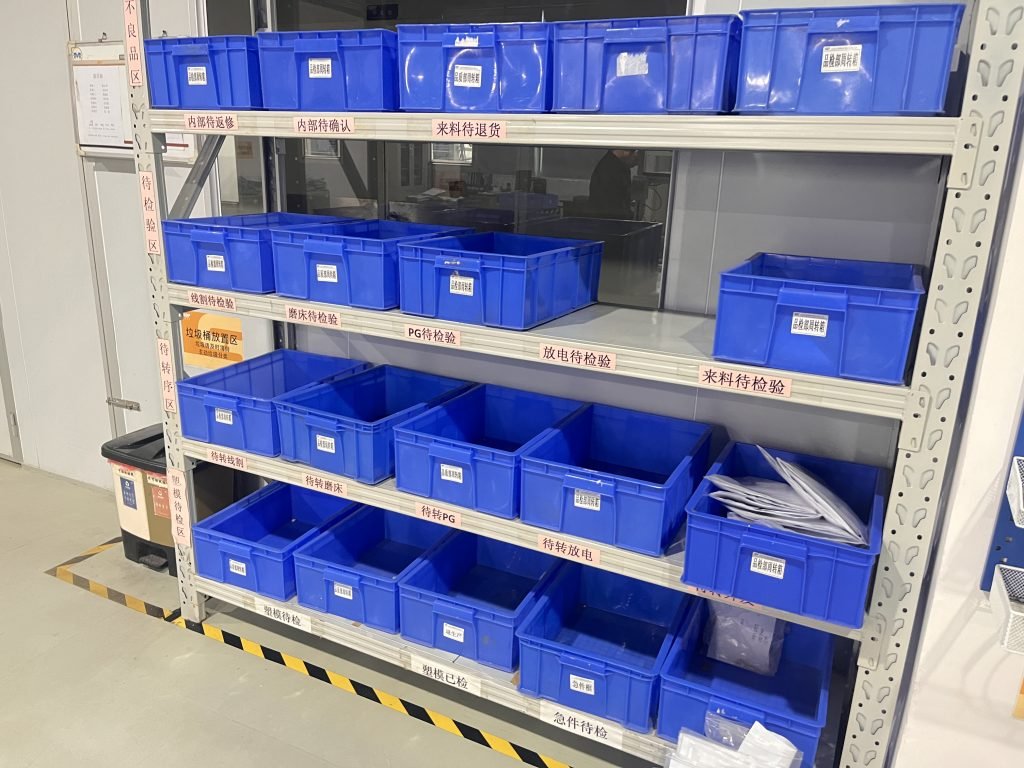
Rigorous Quality Control

ISO 9001-Certified Quality

Competitive Pricing

Cost-effective solutions

Global Support

Reliable delivery & technical assistance

ISO 9001:2015 Certified Processes

ISO 13485: 2016 Medical Device

IATF 16949: 2016 Automotive
AS9100 Certified Aerospace

No Minimum Order Quantities

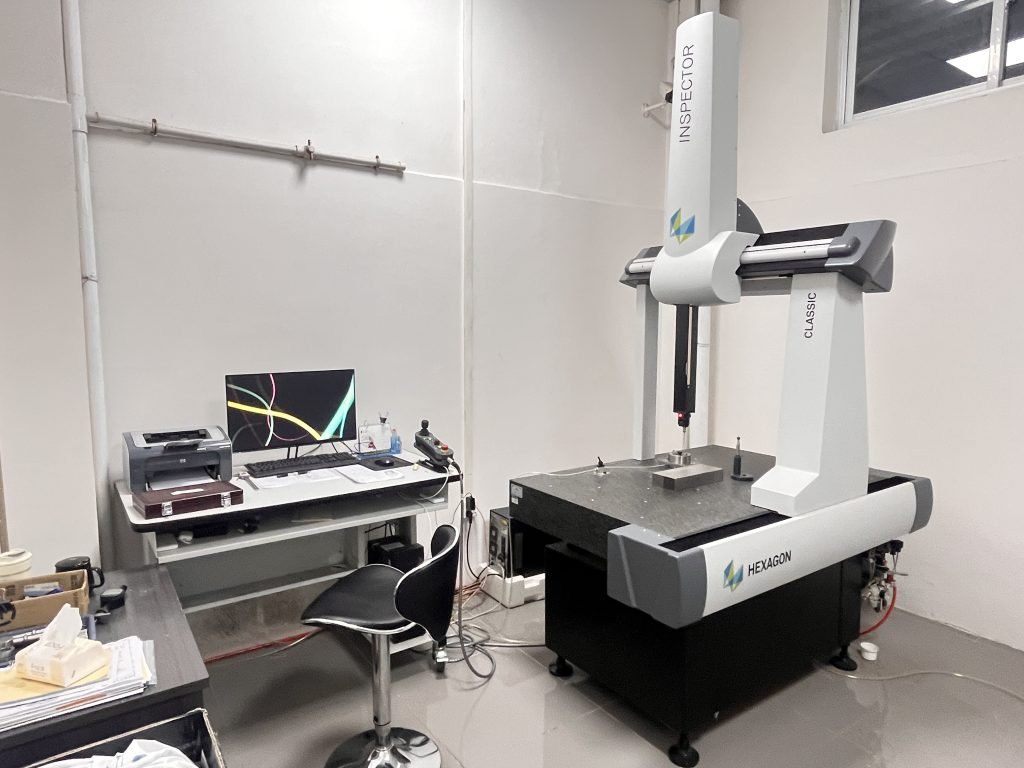
In-Process Inspection with CMM

Mold Plate: More Than Just a Flat Surface

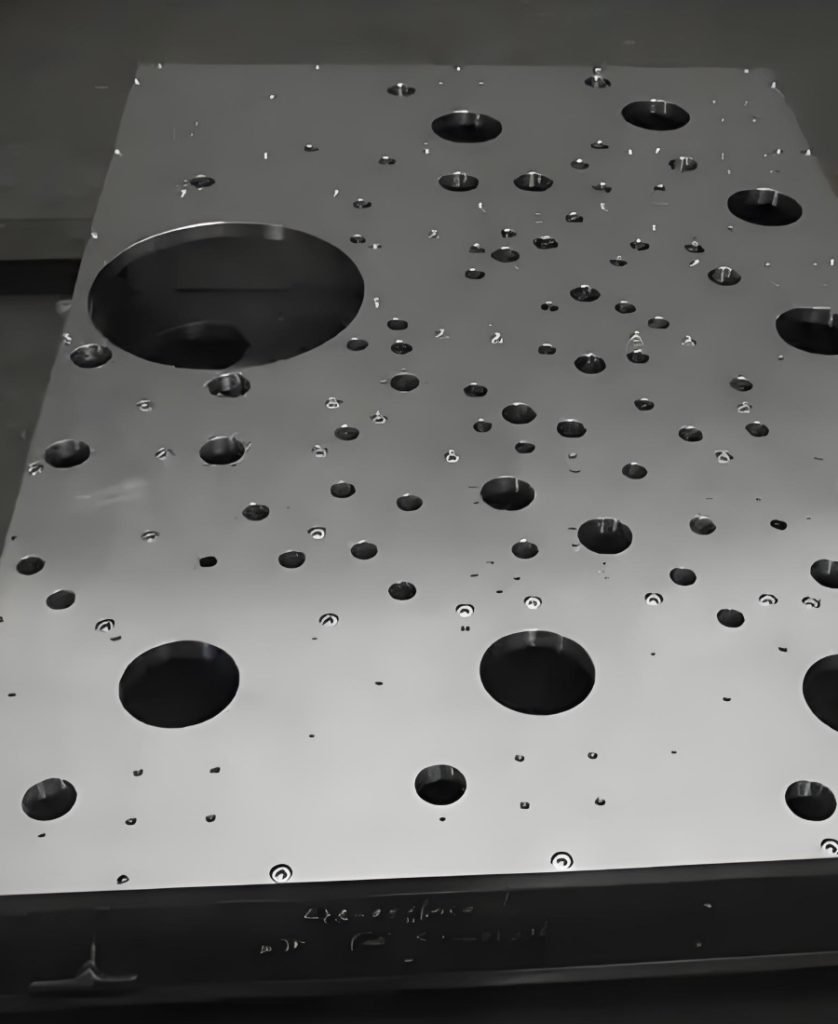
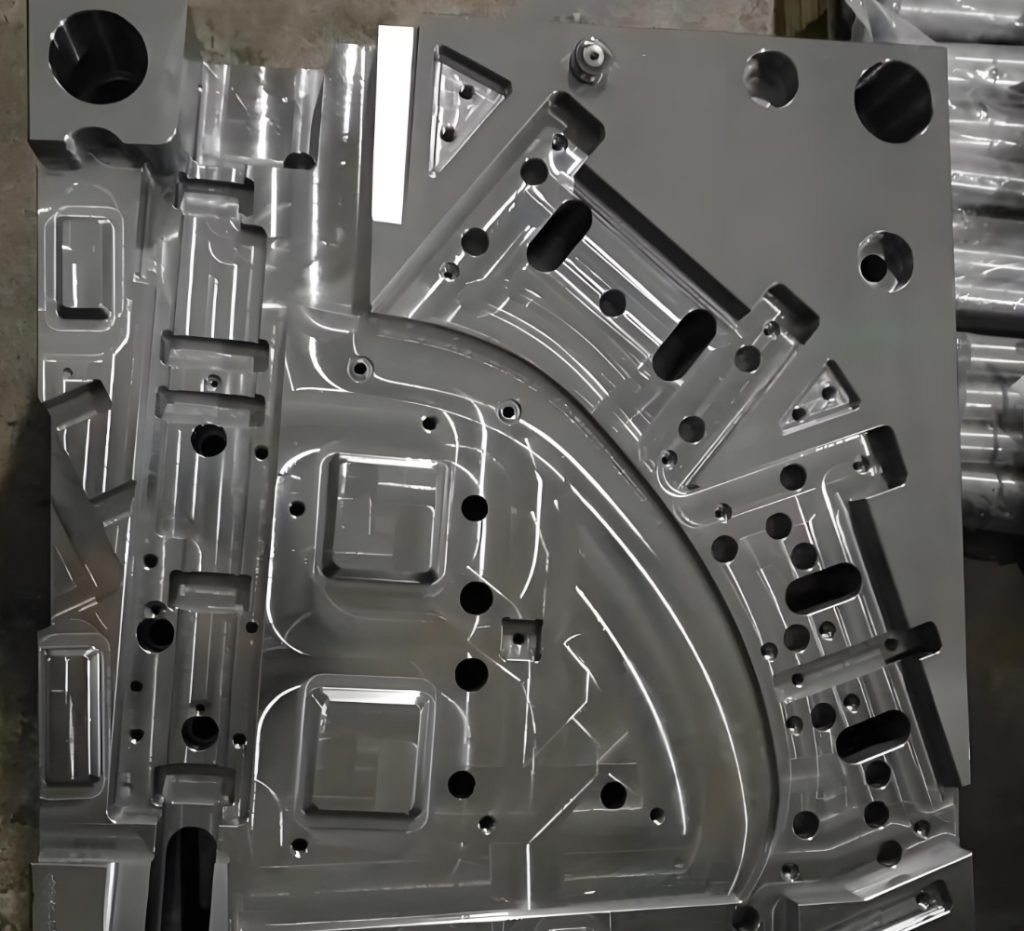
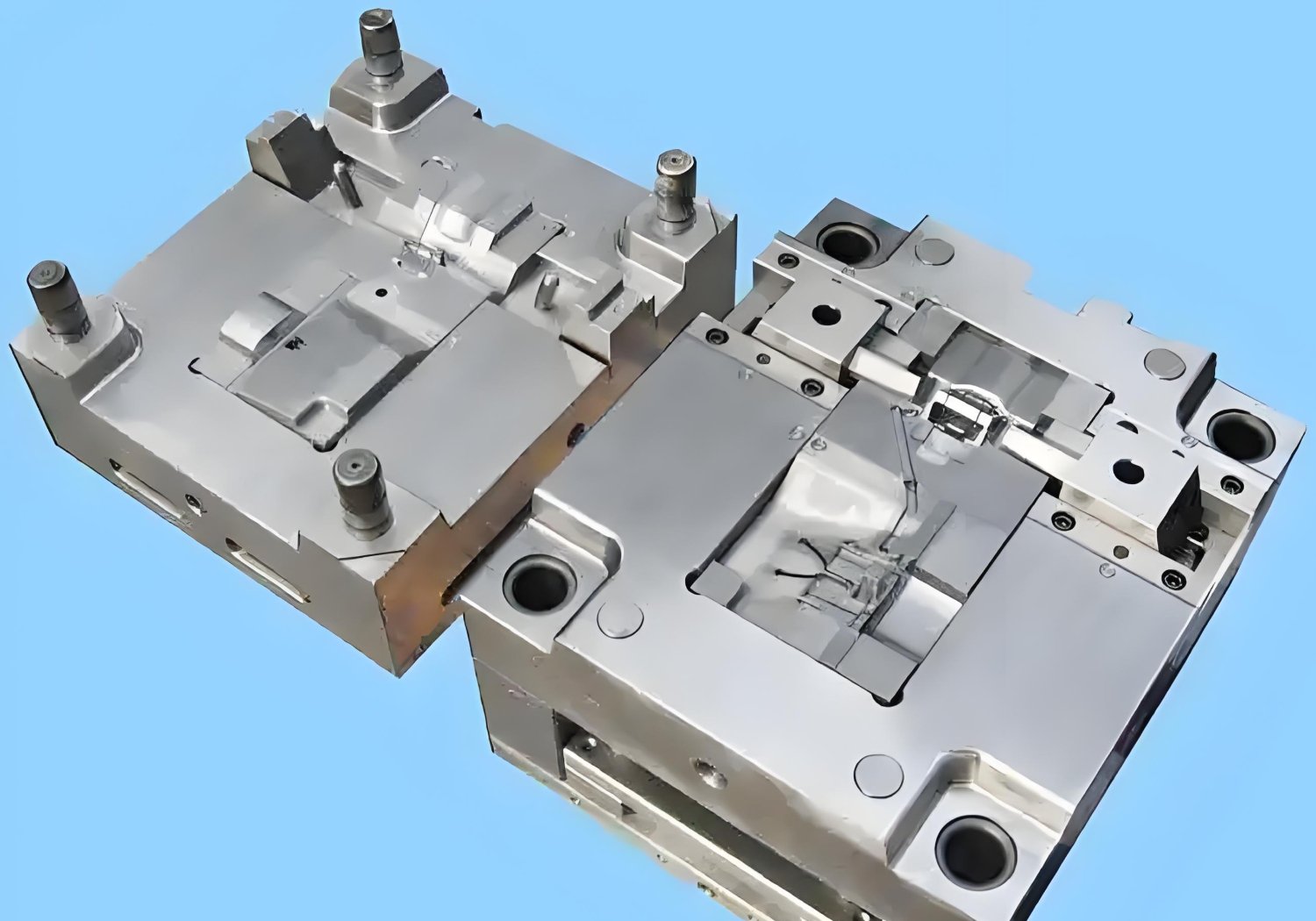
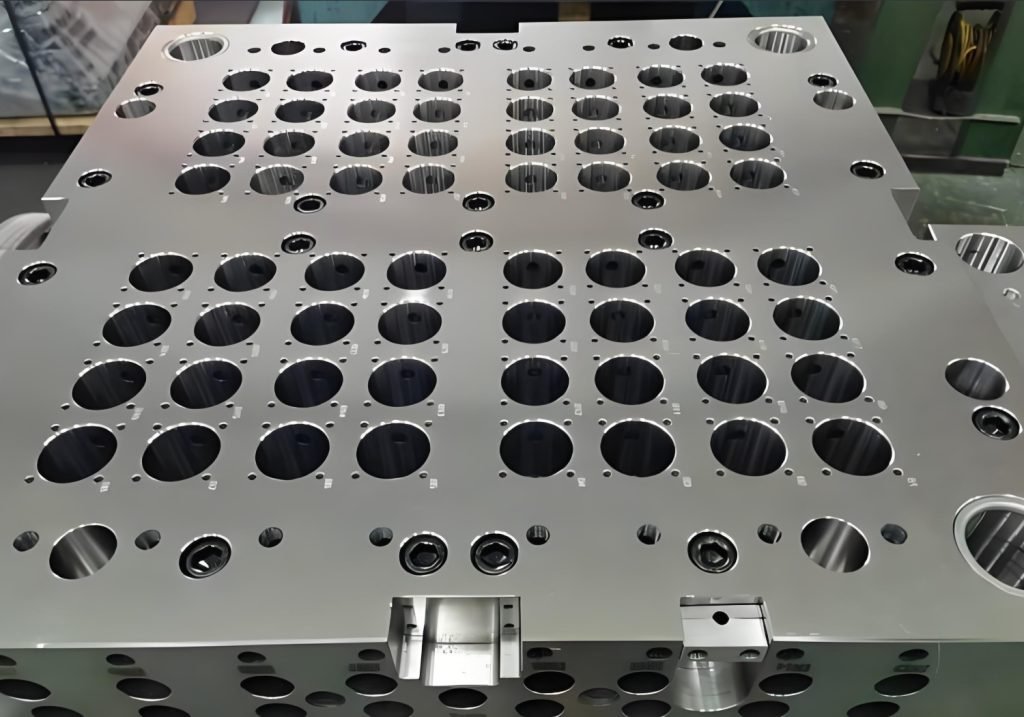
Mold plates are foundational components in injection molding, serving as the structural backbone that houses cavities, cores, and other essential components. These precision-engineered components must maintain dimensional stability under extreme pressure and temperature variations while ensuring perfect alignment with other mold components.

The quality of mold plates directly impacts part quality, production efficiency, and overall mold longevity. A well-manufactured mold plate provides the necessary rigidity, flatness, and precision to produce consistent, high-quality plastic parts. Our mold plates are designed for strength and precision, making them an ideal choice for industries such as automotive, electronics, and medical device manufacturing.

Key Functions

✔️ Precision Machined: Tight tolerances and exceptional surface finishes for optimal performance
✔️ Structural Integrity: Engineered to withstand extreme molding pressures and temperatures
✔️ Dimensional Stability: Maintains precise dimensions under varying operating conditions
✔️ Component Alignment: Ensures perfect positioning of all mold components during operation

Fecision Custom Mold Plates

At Fecision, we specialize in manufacturing custom mold plates tailored to your specific application requirements.
Our engineering expertise and advanced manufacturing capabilities allow us to produce mold plates that meet the most demanding specifications.

Custom Sizes & Thicknesses

We produce mold plates in any size and thickness required, from small precision plates to large format mold bases, with tight dimensional tolerances.

Precision Machining

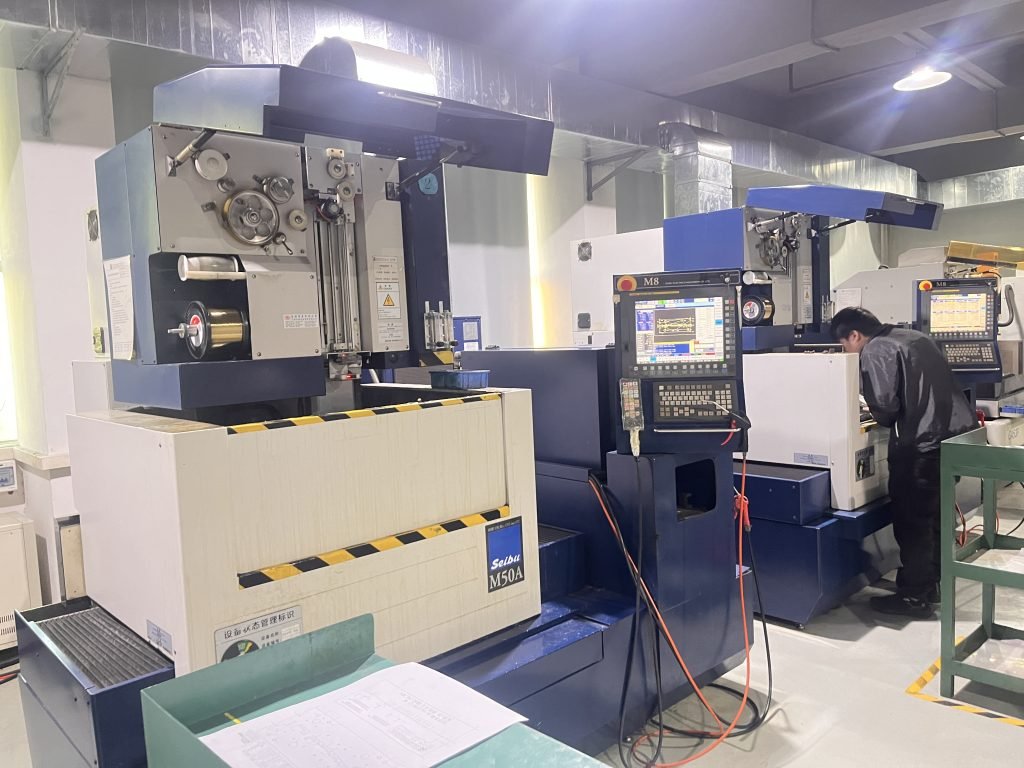
Advanced CNC machining capabilities for complex features including cavities, cores, cooling channels, and precision locating features.

Surface Treatments

Expert guidance on material selection based on your application requirements, with access to all major mold plate materials.

Surface Treatments

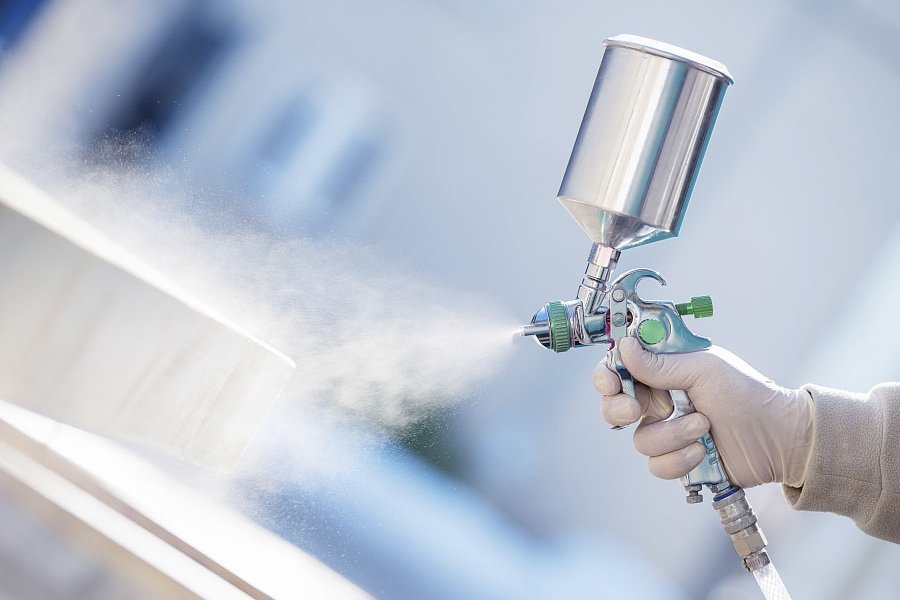
Custom surface treatments including polishing, coating, and heat treatment to enhance performance and extend service life.

Engineering Support

Our engineering team provides design assistance to optimize your mold plate design for performance, durability, and cost-effectiveness.

Industry-Specific Solutions

Custom mold plates designed for specific industries including automotive, medical, consumer goods, and packaging.

Fecision Mold Component Tooling Network

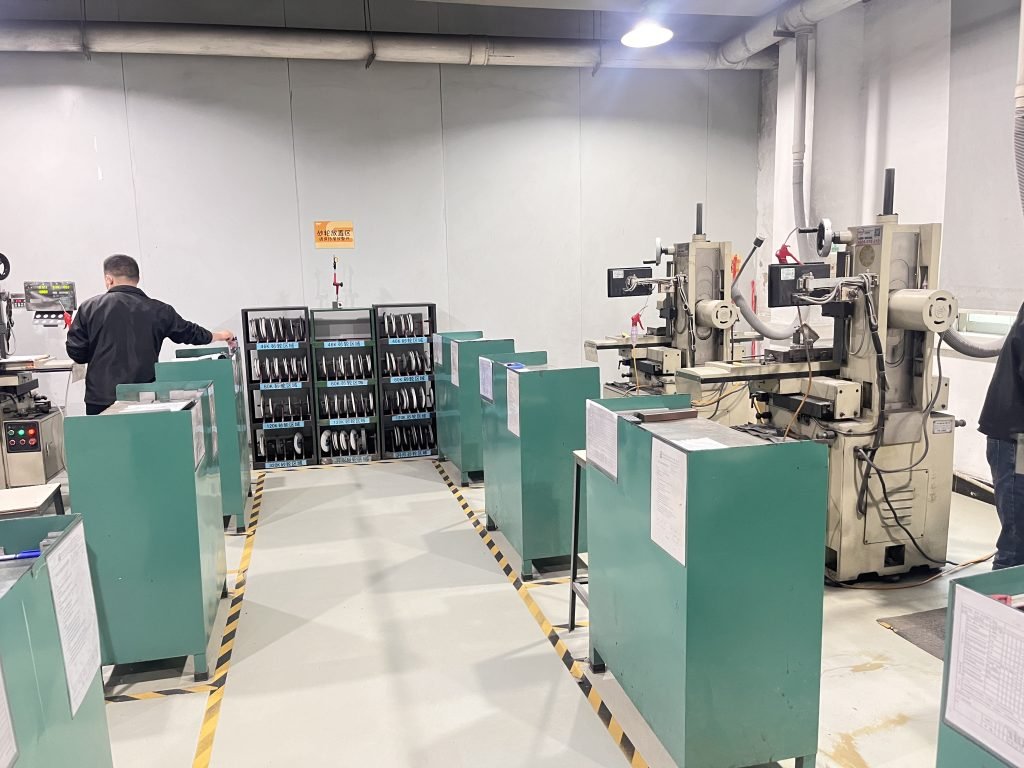
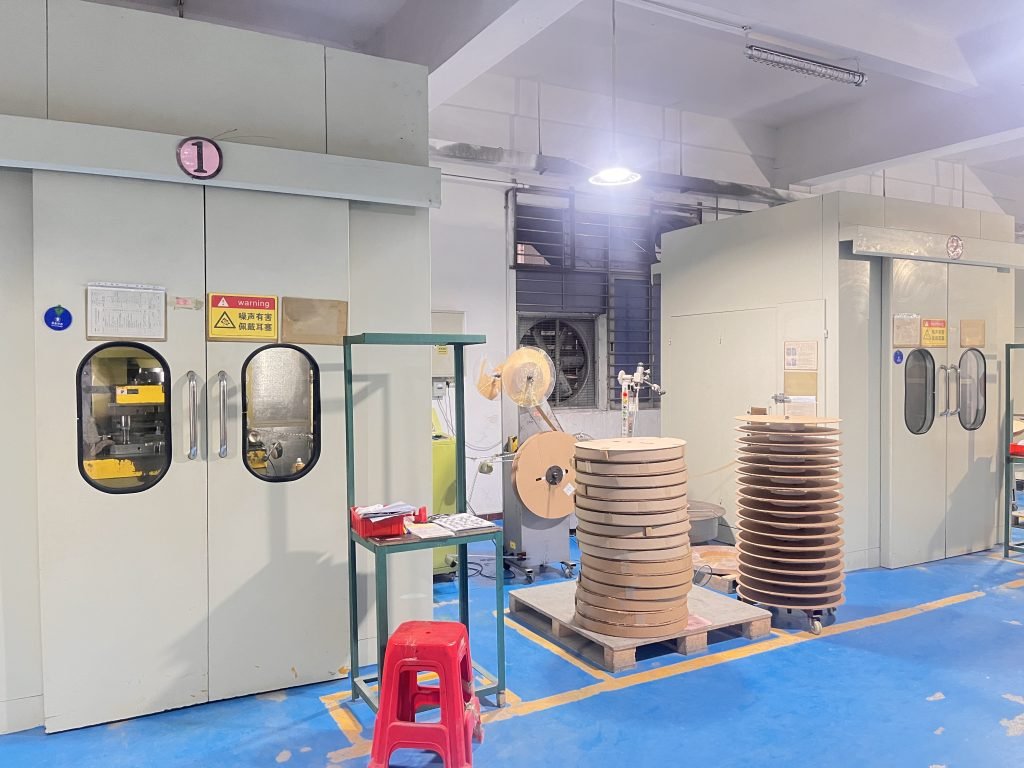
In response to different service types and diverse business needs, we have deployed suppliers with different manufacturing capabilities.

The Importance of Mold Plate Quality

The quality of mold plates directly impacts every aspect of the injection molding process, from part quality to production efficiency and overall costs.

Investing in high-quality mold plates is critical for achieving consistent production results and maximizing the return on your mold investment. Poor quality plates can lead to numerous production issues and increased costs over time.

Consistent Part Quality

High-quality plates maintain dimensional stability, ensuring consistent part dimensions and reducing scrap rates.

Extended Mold Life

Premium materials and precision manufacturing result in mold plates that resist wear and last longer, reducing replacement costs.

Reduced Downtime

Quality plates minimize maintenance issues, alignment problems, and premature failure, keeping production running smoothly.

Cost Impact of Poor Quality Mold Plates

Increased Scrap Rates

Dimensional inconsistencies in poor quality plates lead to more defective parts and higher material waste.

Higher Maintenance Costs

Plates with poor flatness or dimensional stability require more frequent adjustments and maintenance.

Production Downtime

Premature wear and failure of low-quality plates result in unplanned production stops and missed deadlines.

Different Types of Mold Plates

Various types of mold plates serve specific functions within an injection mold, each designed to perform critical roles in the molding process.

Cavity Plates

Contain the cavity impressions that form the outer shape of the molded part. Precision machined to exact part specifications.

Core Plates

Contain the core inserts that form the internal features and cavities of the molded part, working in conjunction with cavity plates.

Clamp Plates

Also known as fixed and moving plates, these provide the structural foundation of the mold and mount to the injection molding machine.

Support Plates

Provide structural support to cavity and core plates, preventing deflection under injection pressure during molding.

Ejector Plates

House and support the ejection system components, providing the mechanism to push finished parts out of the mold cavity.

Intermediate Plates

Used in three-plate molds and complex mold designs to separate different mold sections during the opening cycle.

Processing Materials

We manufacture mold plates from premium materials to ensure strength and longevity:.

Stainless Steel

  • Provides corrosion resistance for challenging environments (e.g., 420, 440C).

Hardened Tool Steel

  • Provides superior hardness and toughness (e.g., H13, D2).

Aluminum

  • Lightweight with excellent thermal conductivity for faster cooling.

Custom Alloys

  • Available for specialized applications requiring unique properties.

Post-Processing & Surface Treatments

Our mold plates undergo advanced treatments to enhance durability and performance:

Heat Treatment

Achieves hardness levels of 48-52 HRC (for steel) for excellent wear resistance.

Optional Coating

Chrome plating or DLC coatings reduce corrosion and extend service life.

Nitriding

Increases surface toughness and fatigue strength.

Precision Grinding

Delivers a smooth surface finish (Ra ≤ 0.4 μm) for precise operation.

Technical Specs for Mold Plate

At Fecision, we design and create precise custom mold components from high-quality materials.
Our processes ensure unmatched consistency and repeatability at fast lead times and affordable pricing.
ParameterSpecification
Hardness48-52 HRC (steel); varies by material
Surface FinishPrecision ground to Ra ≤ 0.4 μm
Dimensional Tolerance±0.005 mm (tighter tolerances available)
Size RangeCustomizable based on mold design
Thickness20 mm to 200 mm (custom thicknesses available)
Lead Time4-6 weeks (standard); expedited options available

Contact us for tailored specifications to match your requirements.

Mold Plate Selection for Your Projects

Choosing the right mold plates for your project requires careful consideration of several key factors to ensure optimal performance and cost-effectiveness.

The selection process involves evaluating your specific application requirements and matching them with the appropriate mold plate characteristics. Our engineering team can help guide you through this process to ensure the best possible solution.

Production Volume

High-volume production requires more durable materials with better wear resistance to extend mold life and reduce maintenance.

Material Being Molded

Abrasive materials, high-temperature resins, and corrosive materials require specific mold plate materials and treatments.

Part Complexity & Tolerances

Complex parts with tight tolerances require higher precision mold plates with better dimensional stability.

Operating Conditions

Consider the temperature, pressure, and cycle time requirements of your molding process when selecting mold plate materials.

  • Molding temperature range
  • Injection pressure requirements
  • Cycle time considerations

Surface Finish Requirements

The required part surface finish dictates the mold plate surface quality and polishing requirements.

  • Cosmetic requirements
  • Polishability of materials
  • Release properties needed

Cost vs. Performance

Balance initial investment with long-term performance requirements and expected mold life.

  • Production volume considerations
  • Expected mold service life
  • Maintenance requirements

Why Fecision for Mold Components?

Precision and Accuracy

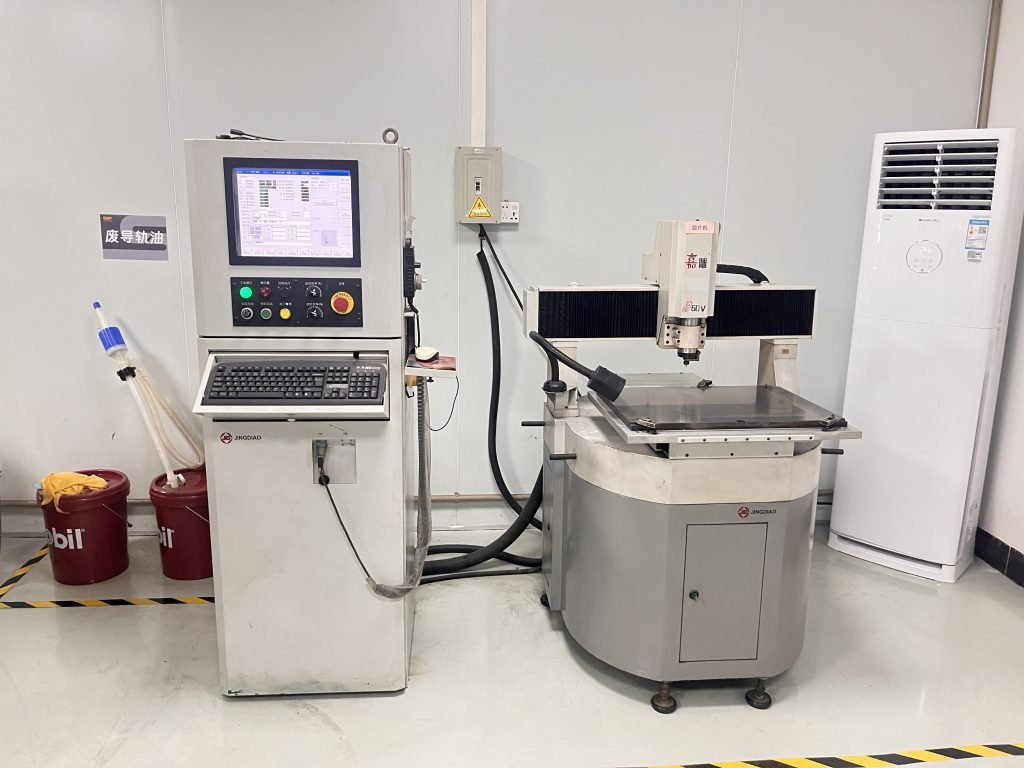
Using state-of-the-art CNC machining, EDM, and other advanced manufacturing techniques, Fecision ensures all mold components meet tight tolerances and high-quality standards.

Customization

Fecision understands the unique needs of each project. Our team works closely with customers to provide tailored solutions, ensuring that each component fits perfectly within the target mold system.

Rapid Prototyping

Fecision offers rapid prototyping for mold components, enabling customers to test and refine designs quickly before moving into full production.

End-to-End Services

From initial design and DFM (Design for Manufacturability) analysis to final mold assembly and testing, Fecision handles every aspect of the mold component manufacturing process.

Process for Manufacturing Mold Components

The process of making a mold component involves several stages, from design to manufacturing and finishing.
The specific steps can vary depending on the type of mold component being created, but the general steps remain consistent across most types of mold components.
 

Manufacturability Evaluation

The initial step involves assessing the manufacturablity of the mold component. If it's deemed feasible, we proceed with production immediately. If not, we will provide a detailed DFM (Design for Manufacturability) report to the customer. If necessary, mold flow analysis is performed to simulate the flow of molten material within the mold.

Material Selection

Next, choose the right material for mold parts. Common materials for mold components include steel alloys, aluminum, stainless steel, specialty alloys, etc. If needed, a prototype may be made using rapid prototyping techniques (e.g., 3D printing, CNC machining) to test the design for fit, function, and manufacturability.
Mold Components Manufacturing

Once the design and materials are finalized, the mold component undergoes CNC machining. If required, the mold component may undergo heat treatment, depending on the material and intended application. For certain components, surface hardening methods such as nitriding or carburizing are applied to increase wear resistance.

Assembly & Shipping

For molds with multiple components, such as multi-cavity molds or molds with inserts, the individual components are carefully assembled into the final mold system. Once our engineers confirm the product meets all requirements, it will be shipped. We maintain ongoing communication to ensure the customer is fully satisfied with the product they receive.

Ready to Discuss Your Mold Plate Requirements?

Our team of experts is ready to help you with your custom mold plate project.

Contact us today to get started.

Related Products

Mold Base

Fasteners

Punch Holder

Start your project now