
Modular Fixtures: Flexible Workholding Solutions
ISO 9001:2015
Quality Management
AS9100D Certification
Aerospace Industry
ISO 13485: 2016
Medical Device
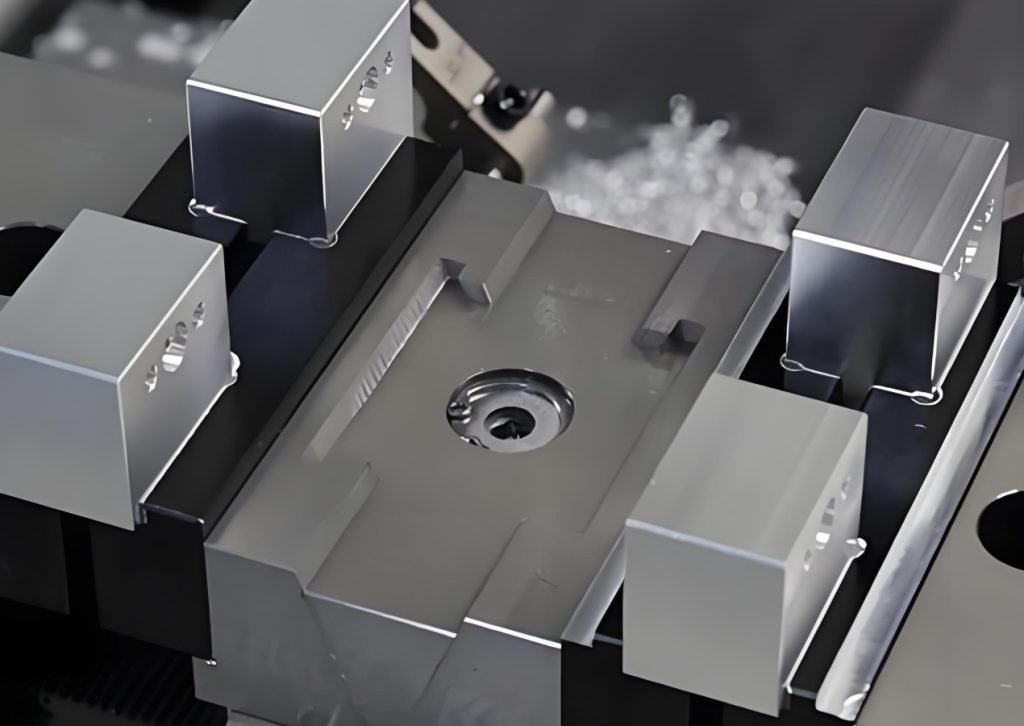
Custom Modular Fixture
Engineered for precision and efficiency
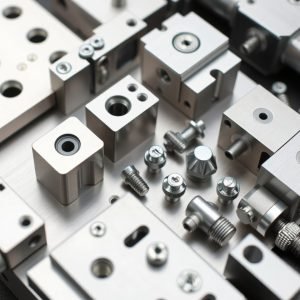
Versatile workholding solutions
Modular Fixture
A modular fixture is a reconfigurable workholding system that uses standardized, interchangeable components to secure workpieces during manufacturing operations. Unlike traditional fixtures that are custom-built for specific parts, modular systems can be quickly assembled, disassembled, and reconfigured to accommodate different workpieces with minimal setup time.
Modular fixture systems have revolutionized how parts are held during machining, inspection, and assembly processes. Whether you're operating CNC machines, CMM inspection equipment, or welding stations, understanding modular fixturing can dramatically improve your production capabilities.
Modular Fixture Applications
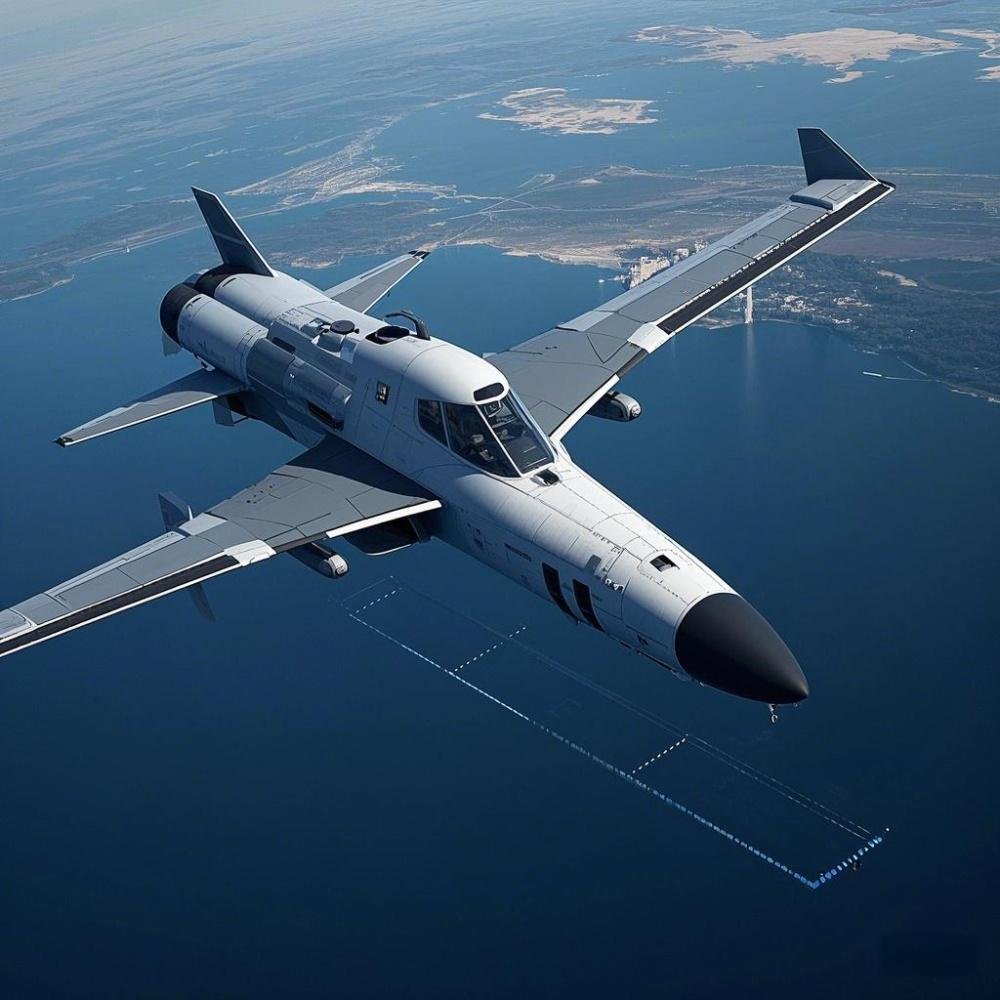
Aerospace manufacturing

Automotive production
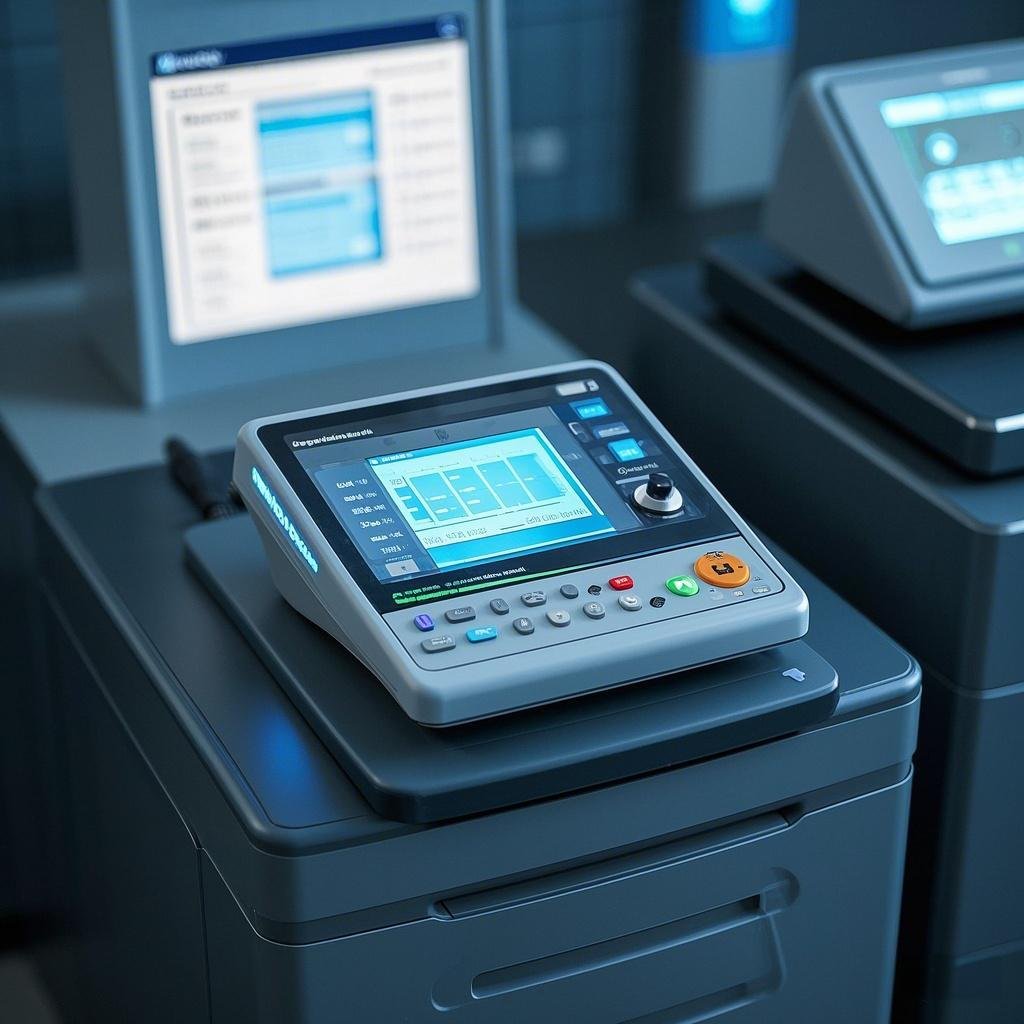
Medical device fabrication

CNC machining operations
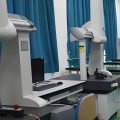
CMM inspection processes
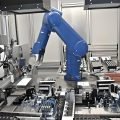
Welding and assembly applications
Modular Fixturing Enhances CNC Workholding
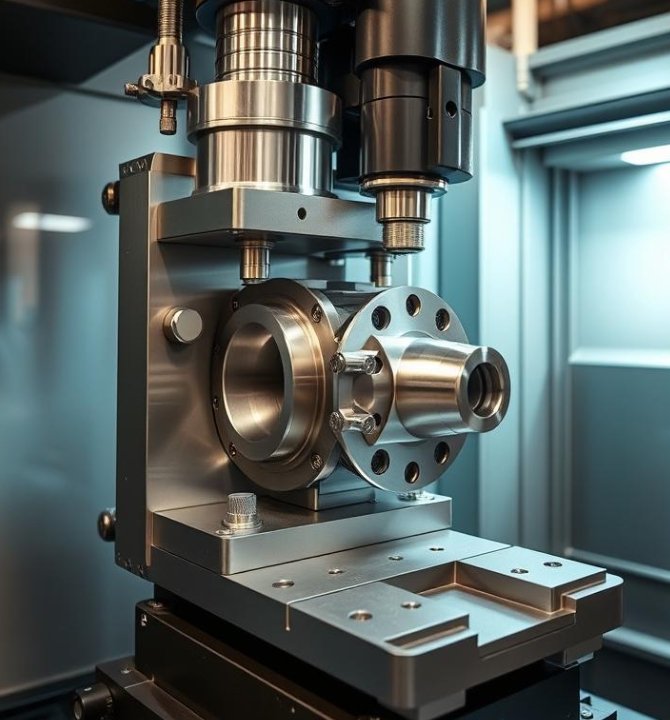
Improved Setup Time
With pre-engineered components that can be quickly assembled, modular fixtures dramatically reduce setup times compared to building custom fixtures. This means less machine downtime and faster transitions between jobs.
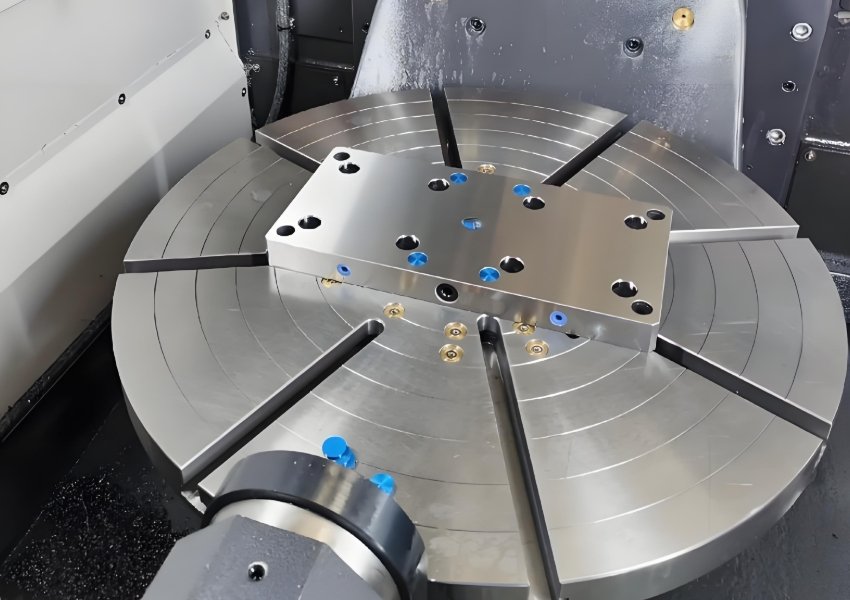
Multi-Part Processing
Modular systems can be configured to hold multiple parts simultaneously, maximizing the efficiency of each machining cycle and increasing overall throughput without sacrificing accuracy.
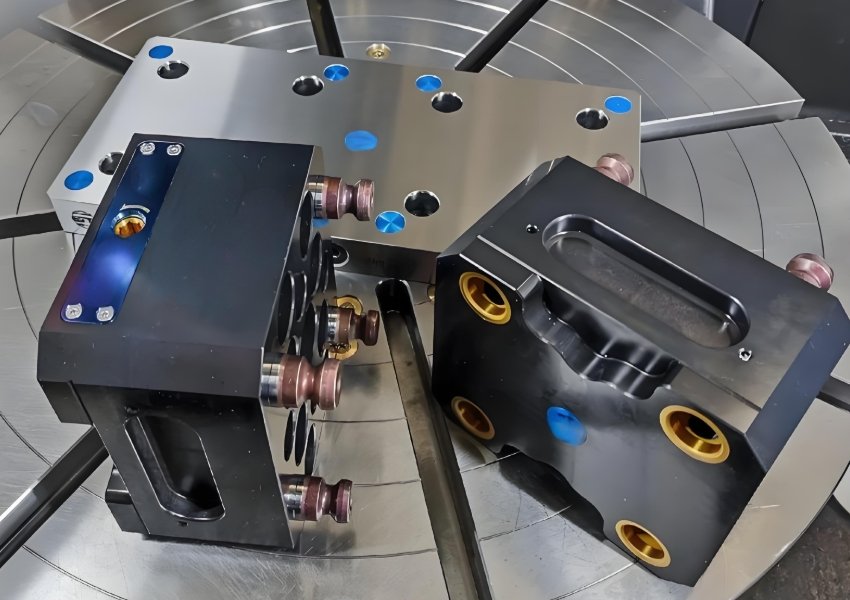
Enhanced Repeatability
With pre-engineered components that can be quickly assembled, modular fixtures dramatically reduce setup times compared to building custom fixtures. This means less machine downtime and faster transitions between jobs.
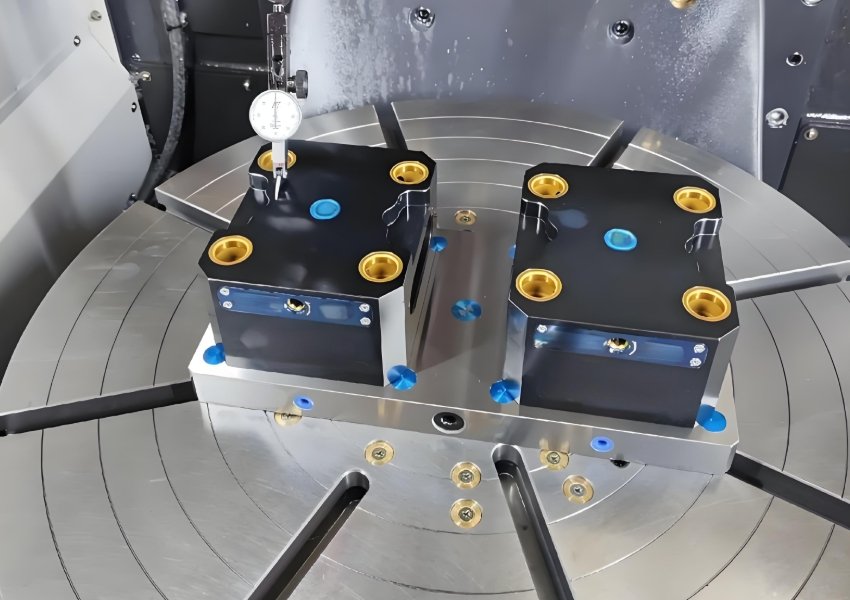
Common Modular Fixtures
Different manufacturing processes require specialized fixturing approaches. Here are some of the most widely used modular fixture configurations and their applications:
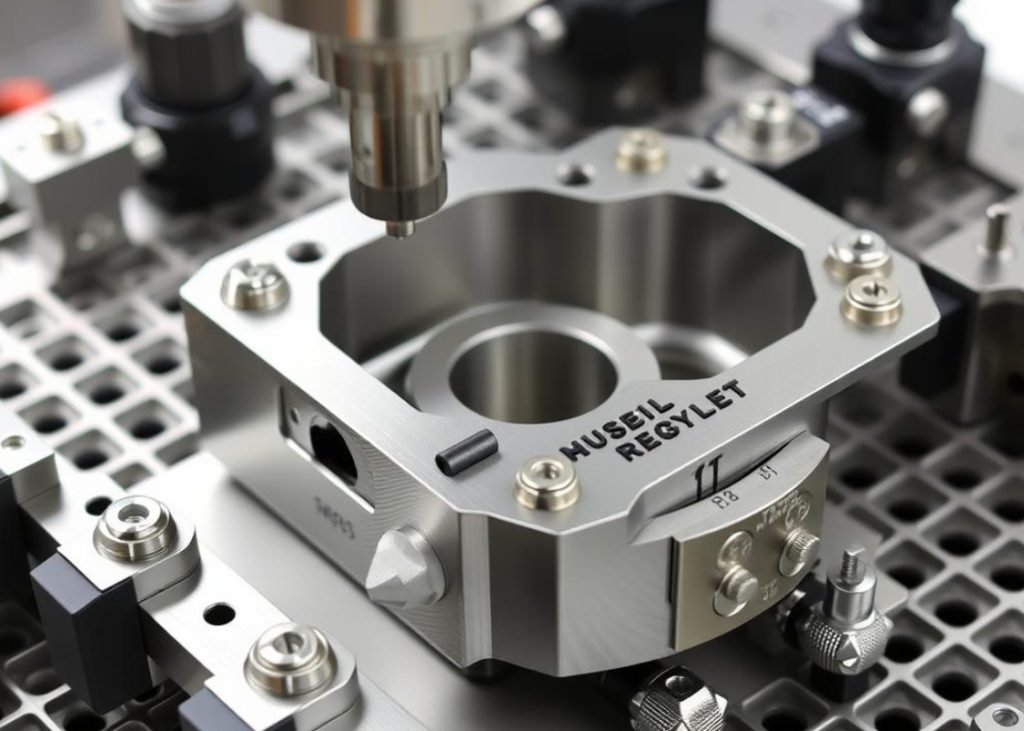
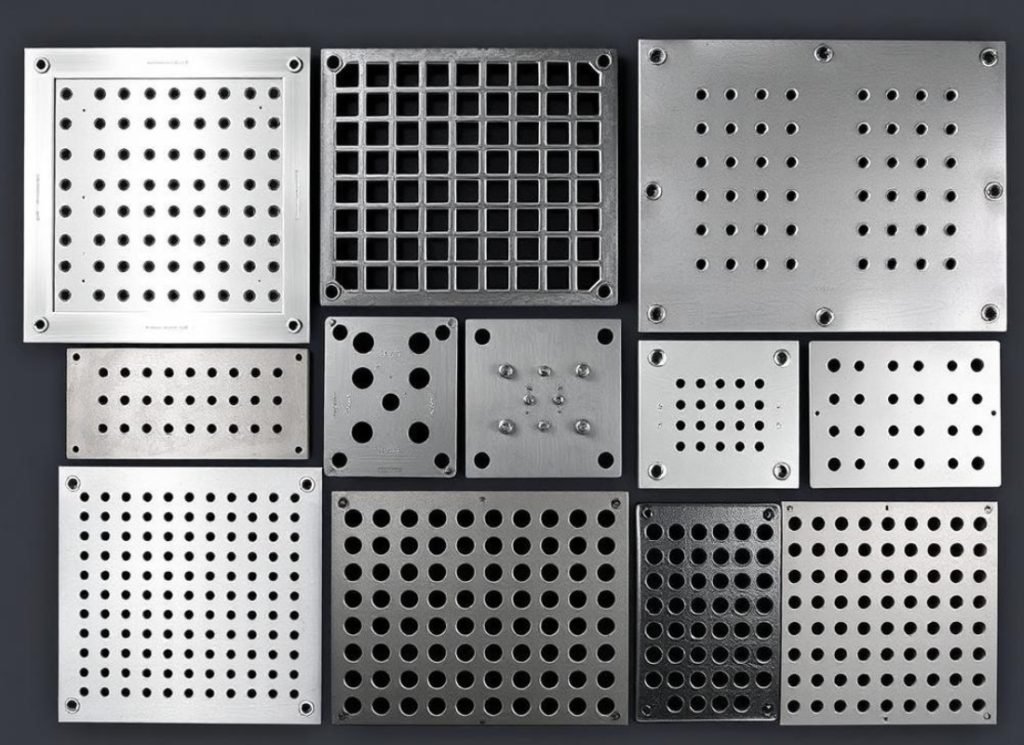
Grid Plate Systems
Grid plates feature precisely spaced holes for mounting components. Ideal for CNC machining of complex parts with irregular shapes that require multiple locating and clamping points.
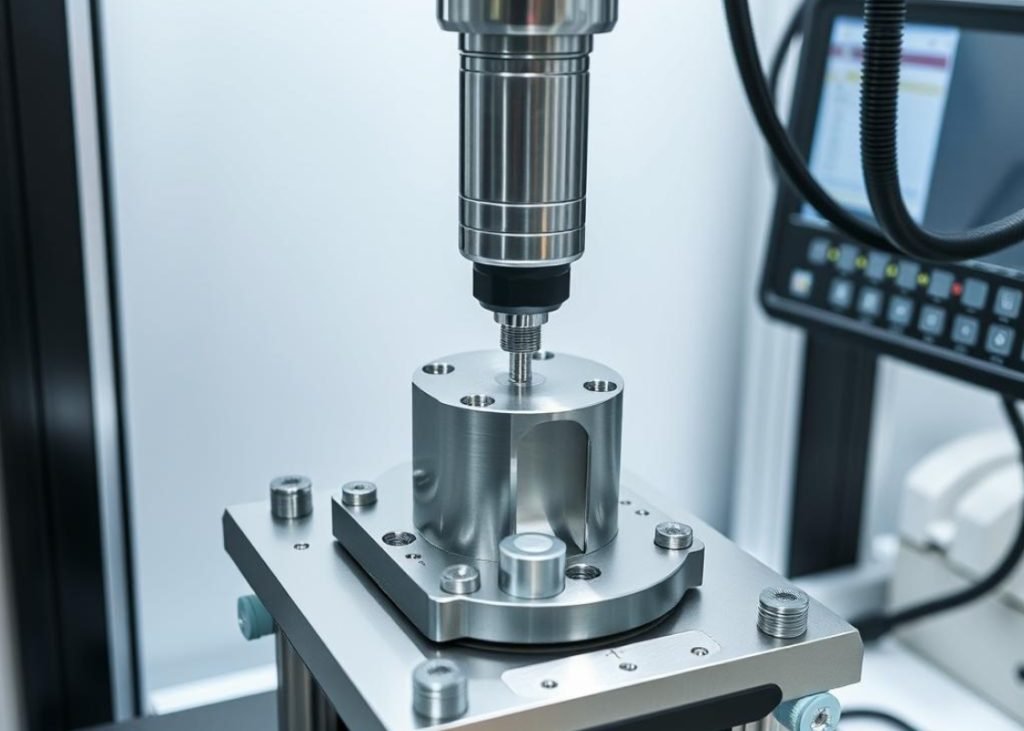
CMM Modular Fixturing
CMM modular fixturing uses specialized components designed for metrology applications. These systems prioritize accessibility for probe paths while maintaining precise part positioning for accurate measurement.
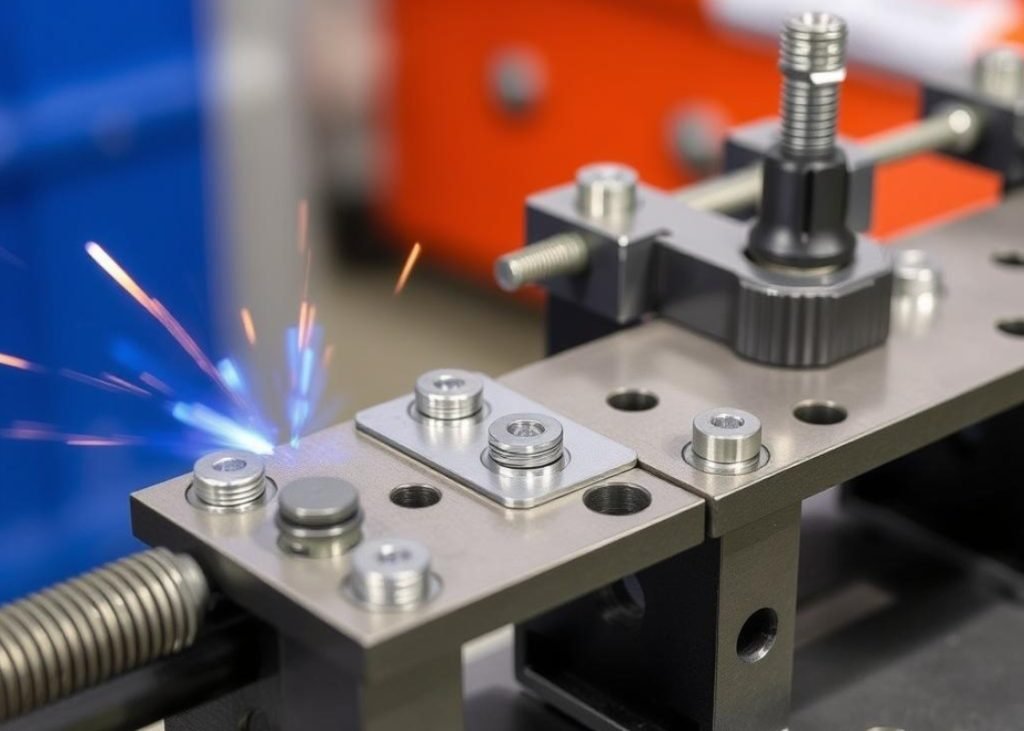
Welding Fixtures
Specialized for high-temperature applications, welding fixtures use heat-resistant components and often incorporate ground connections. They ensure precise alignment of parts before and during welding processes.
Application-Specific Modular Solutions
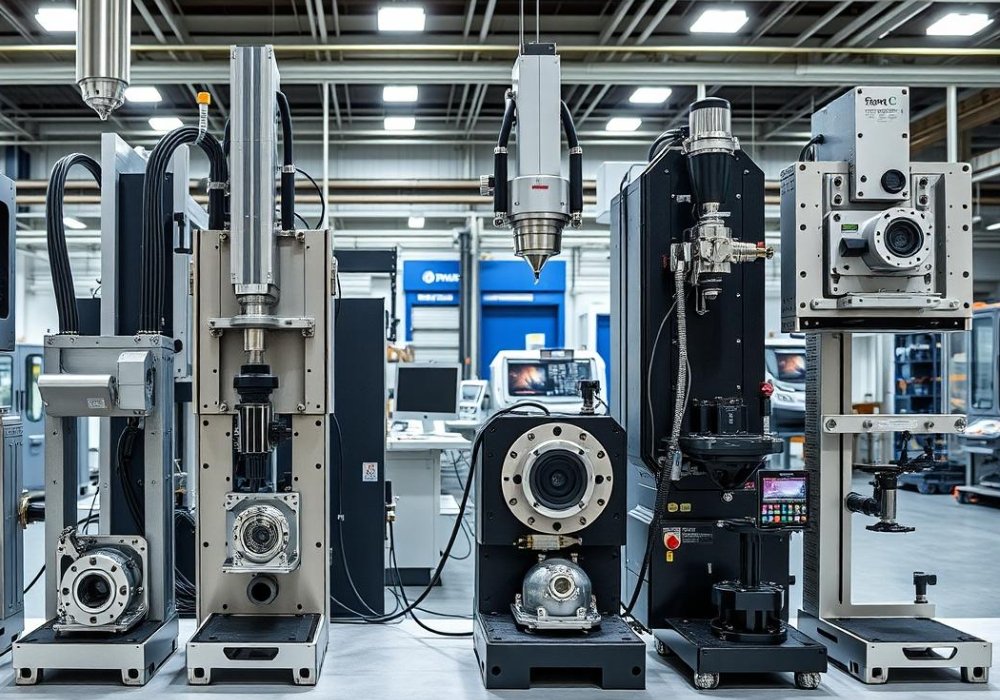
Key Benefits for Welding Applications
Optimizing Welding and Assembly with Modular Systems
Welding and assembly operations present unique fixturing challenges that modular systems are particularly well-suited to address. The ability to precisely position and hold components during joining processes ensures quality and consistency.
Key Benefits
Assembly Process Improvements
Ergonomic Positioning
Adjustable height and orientation allow workers to access assembly points comfortably, reducing fatigue and improving productivity.
Sequential Assembly
Modular systems can be reconfigured between assembly steps, ensuring optimal positioning for each operation in complex builds.
Quality Verification
Fixtures can incorporate go/no-go features to verify correct assembly before components are permanently joined.
Components of a Modular Fixturing System
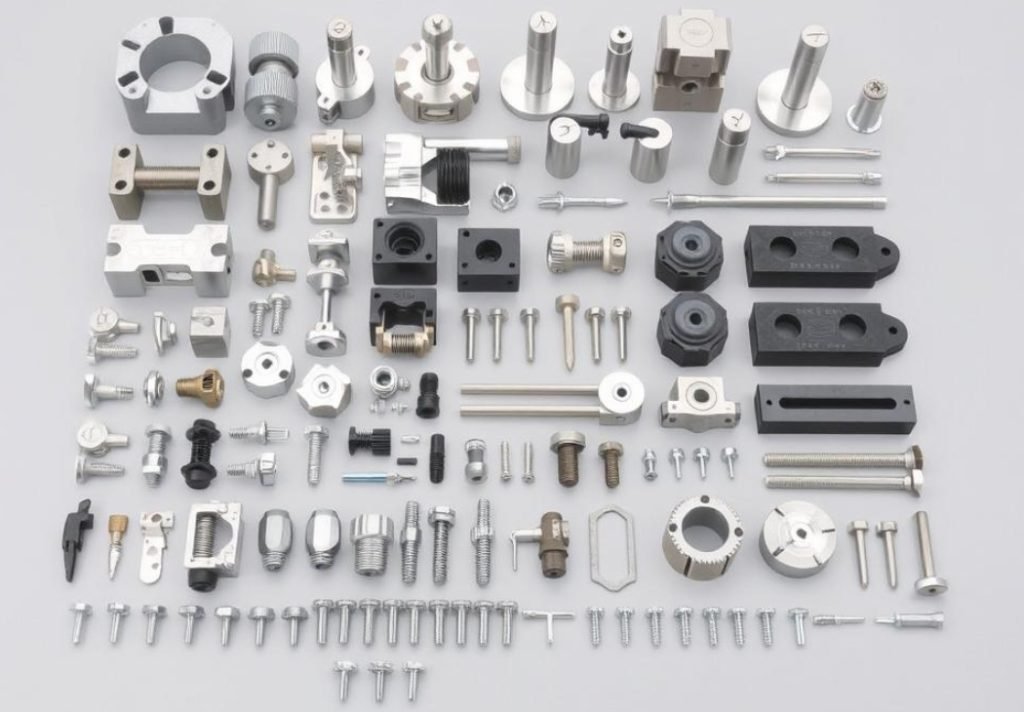
A comprehensive modular fixture system consists of several key component categories, each serving specific functions in the workholding process. Understanding these components is essential for building effective fixturing solutions.
Our expertise in designing and manufacturing precision assembly fixtures spans multiple industries, from automotive and aerospace to electronics and medical devices. We specialize in creating custom assembly jigs that optimize your specific assembly processes while maintaining the highest standards of quality and repeatability.
Essential Modular Fixture Components
The interchangeability of these modular fixture components allows for virtually unlimited configurations to accommodate workpieces of various shapes and sizes. This standardization is key to the system's flexibility and cost-effectiveness.
Fuction – Position workpiece precisely; Common Variations – Pins, V-blocks, rest buttons; Material – Hardened steel, carbide-tipped
Fuction – Secure workpiece against locators; Common Variations – Strap clamps, toggle clamps, swing clamps; Material – Steel, aluminum
Fuction – Prevent deflection during machining; Common Variations – Prevent deflection during machining; Material – Steel with nylon or delrin tips
Fuction – Elevate workpiece for tool clearance; Common Variations – Fixed height, adjustable; Material – Aluminum, steel
Fuction – Connect components to base plate; Common Variations – Bolts, quick-release fasteners; Material – Hardened steel, stainless steel
Modular Fixtures vs. Traditional Fixtures
Understanding the differences between modular and traditional fixturing approaches helps manufacturers make informed decisions about their workholding investments.
Benefits of Modular Fixtures
✅ Flexibility: Quickly reconfigured for different parts
✅ Reduced Setup Time: Up to 80% faster than custom fixtures
✅ Cost-Effective: One system serves multiple applications
✅ Reusability: Components can be used for years across projects
✅ Storage Efficiency: Requires less space than multiple dedicated fixtures
✅ Scalability: Systems can grow with production needs
✅ Documentation: Setups can be easily recorded and replicated
Limitations of Traditional Fixtures
❎ Inflexibility: Designed for specific parts only
❎ High Initial Cost: Custom design and fabrication expenses
❎ Long Lead Times: Weeks or months for design and production
❎ Storage Issues: Dedicated fixtures consume valuable space
❎ Obsolescence Risk: Becomes useless when parts change
❎ Maintenance Costs: Repairs often require specialized work
❎ Limited Reusability: Typically single-purpose tools
Return on Investment Comparison
While traditional fixtures may seem less expensive initially for high-volume production of a single part, modular fixtures typically deliver superior ROI when considering:
- Reduced setup time across multiple jobs
- Elimination of design and fabrication delays
- Ability to quickly accommodate engineering changes
- Lower total investment for multiple part varieties
- Extended useful life through component reuse
Implementing Modular Fixturing in Your Operation
Transitioning to modular fixturing requires careful planning but offers substantial long-term benefits.
Follow these steps to successfully implement a modular fixture system in your manufacturing operation:
Evaluate your existing workholding challenges and identify opportunities for improvement.
Choose between metric or imperial, and determine appropriate grid spacing based on your typical part sizes.
Begin with a comprehensive kit that includes essential components for your most common applications.
Ensure operators understand modular fixturing principles and best practices.
Create detailed documentation of successful fixture configurations for future reference.
Transform Your Manufacturing with Modular Fixturing
Modular fixture systems represent a significant advancement in manufacturing workholding technology. By providing unprecedented flexibility without sacrificing precision, these systems enable manufacturers to respond quickly to changing production requirements while maintaining quality and efficiency.
Whether you're looking to improve CNC machining operations, enhance measurement accuracy with CMM modular fixturing, or optimize welding and assembly processes, modular fixturing offers a versatile solution that grows with your needs.
Ready to Enhance Your Production Capabilities?
Our comprehensive range of modular fixture systems and components is designed to meet the demands of modern manufacturing.
From starter kits to specialized applications, we have the solutions you need.