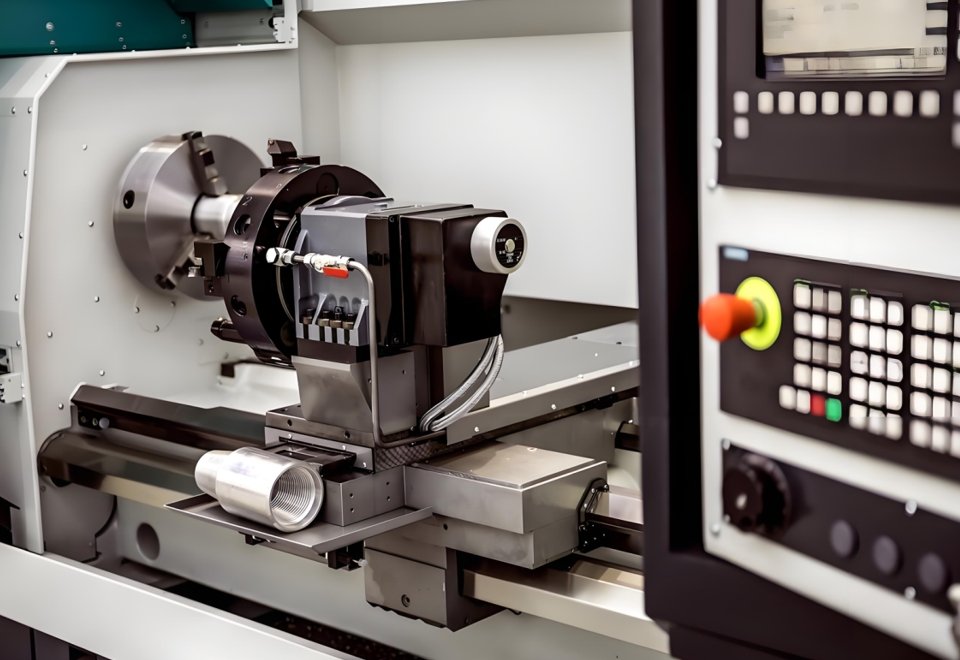
CNC Laser Cutting Services

Fiber laser cutting for metals and plastics. Fast prototyping and bulk orders.
 
  • IATF 16949 (Automotive)
  • AS9100 Rev D (Aerospace)
CNC Laser Cutting Services

ISO 9001: 2015 Certified Processes

In-Process Inspection with CMM (Coordinate Measuring Machine)

ISO 13485: 2016 Medical Device

IATF 16949: 2016 Automotive

No Minimum Order Quantities

Can Laser Cut Metal?

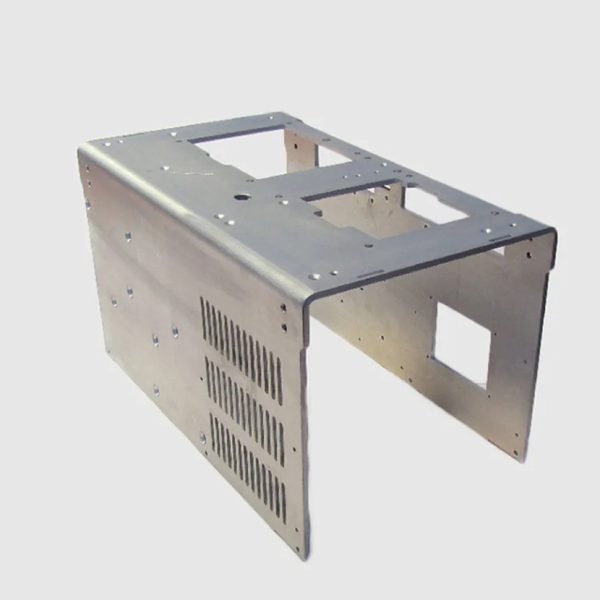
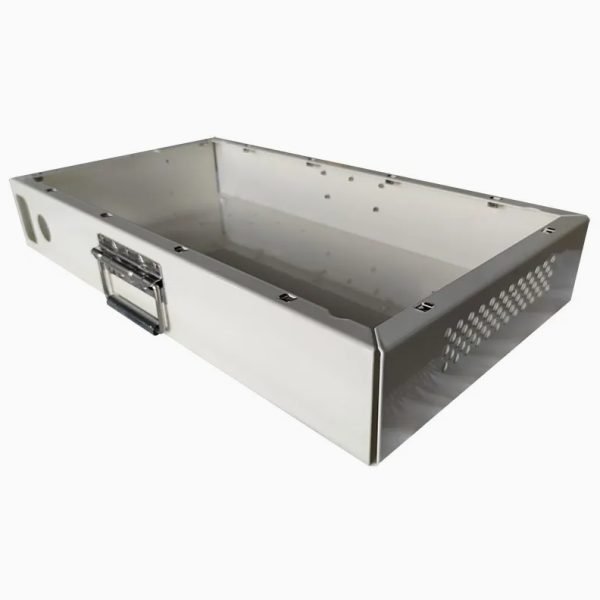
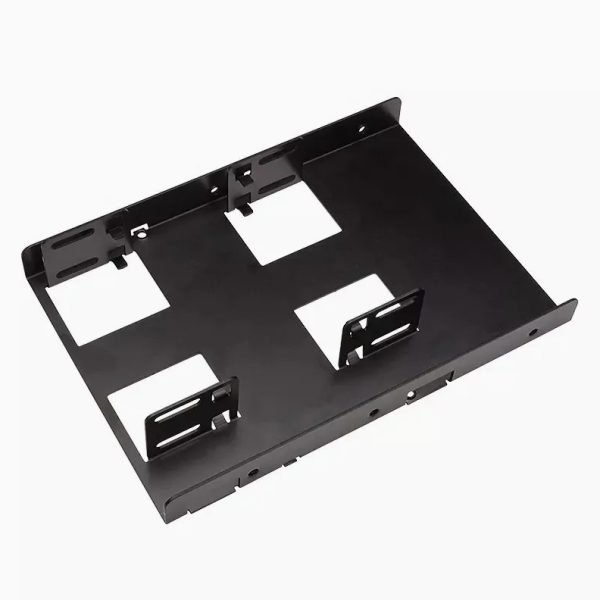
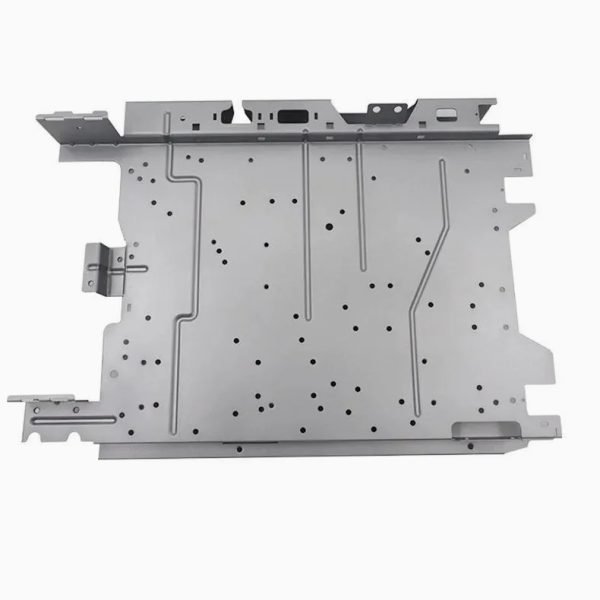
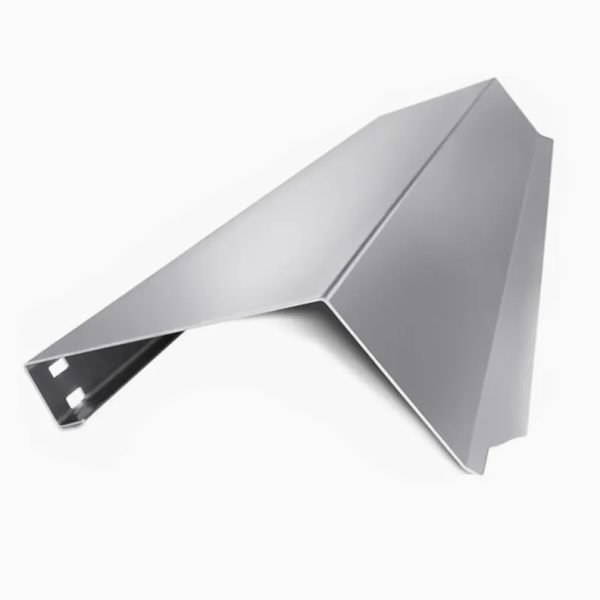
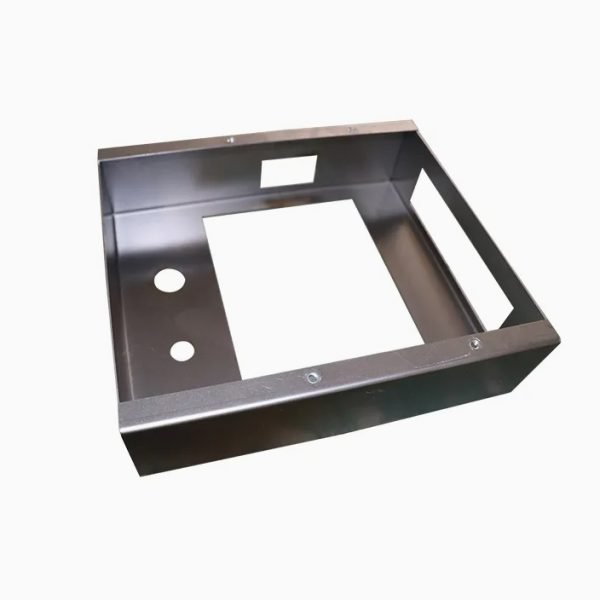
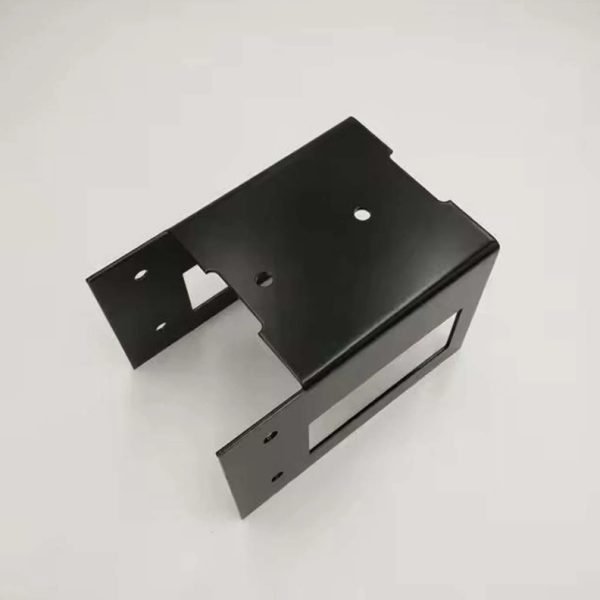
High-Speed Sheet Metal Laser Cutting

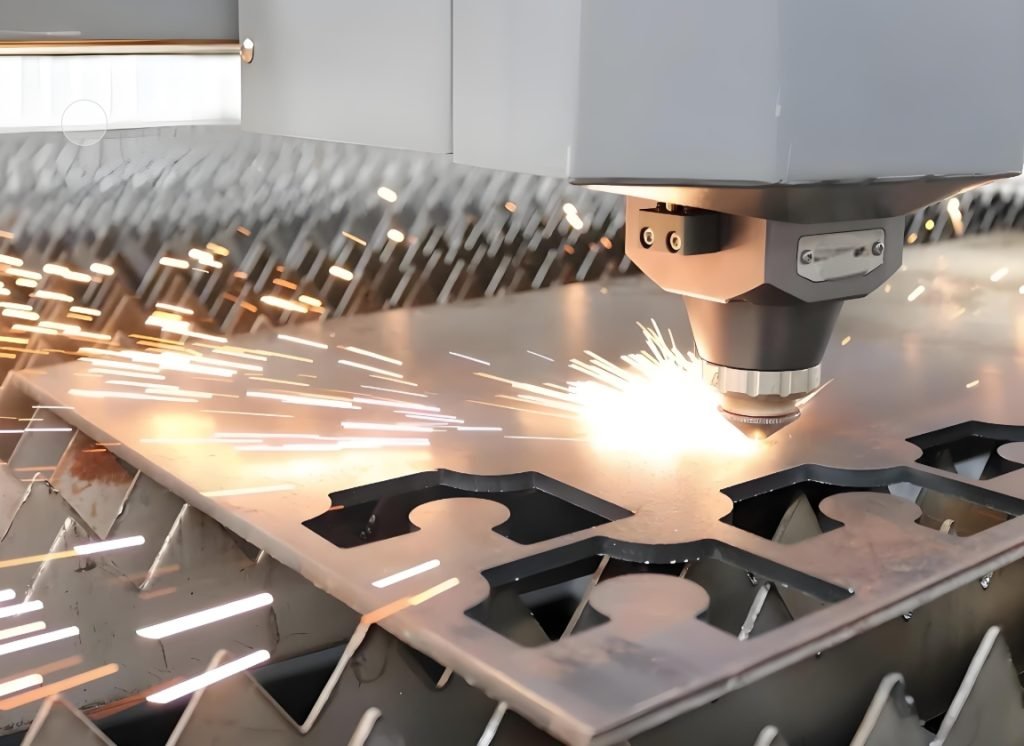
Non-contact thermal cutting process using focused laser beams (CO2/Fiber/YAG) to achieve micron-level precision on sheet metals and composites.

Technical Advantages

Narrow Kerf

0.1-0.3mm width for material conservation

Non-Mechanical Force

Zero tool wear for delicate parts

Smart Automation

Integrated vision systems for error-proofing

CNC Laser Cutting Technical Specs

CNC Laser Cutting is highly valued for its precision, repeatability, and flexibility, making it a vital process for producing parts across numerous industries.
SpecsTolerance
Fiber Laser Power2kW-12kW
Cutting Thickness0.5-25mm (stainless steel)
Positioning accuracy±0.03mm (ISO 2768-Fine)
Max Sheet Size1500x3000mm
Tolerance±0.1mm
Speed (mm/min)20,000 (thin sheets)
Max Cutting Speed40m/min (1mm SS304)
Minimum Hole DiameterØ0.8mm (stainless steel)

CNC Laser Cutting Materials

CNC Laser Cutting is versatile and can be applied to a wide range of materials, both metal and plastic, each with its own set of characteristics.
 

Steel

   Different types of steel, such as carbon steel and alloy steel, have varying levels of hardness and wear-resistance. 


Properties:

  • Good strength and toughnes
  • Tool steels known for high hardness and ability to retain shape under high-stress conditions


Applications:

  • Automotive: car body parts, engine components, chassis parts
  • Construction: building frames, bridges, structural elements
  • Machinery: gears, shafts, machine tool parts

Aluminum

     Common grades include 6061, 7075, and 2024. They are favored for their ease of machining but require proper cleaning and protection post-processing due to oxidation.


Properties:

  • Lightweight
  • Easy to machine
  • Relatively high thermal conductivity
  • Corrosion resistance


Applications:

  • Aerospace: aircraft frames, wings, engine parts
  • Electronics: heat sinks, enclosures
  • Transportation: bicycle frames, boat hulls, some automotive parts
Aluminum material

Copper

    Copper alloys, like brass and bronze, combine the conductivity of copper with improved mechanical properties.

Properties:

  • Excellent electrical and thermal conductivity
  • Strength and corrosion resistance

Applications:

  • Electronics: wires, cables, electrical connectors
  • Heat exchange industry: heat exchangers, radiators
  • Decorative arts: sculptures, jewelry
copper material

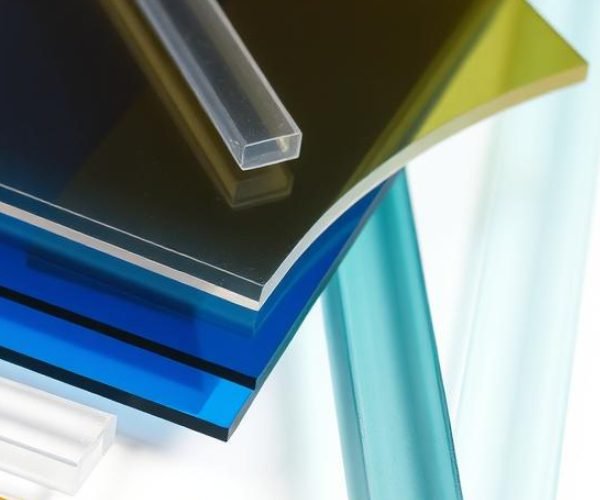
Acrylic (PMMA)

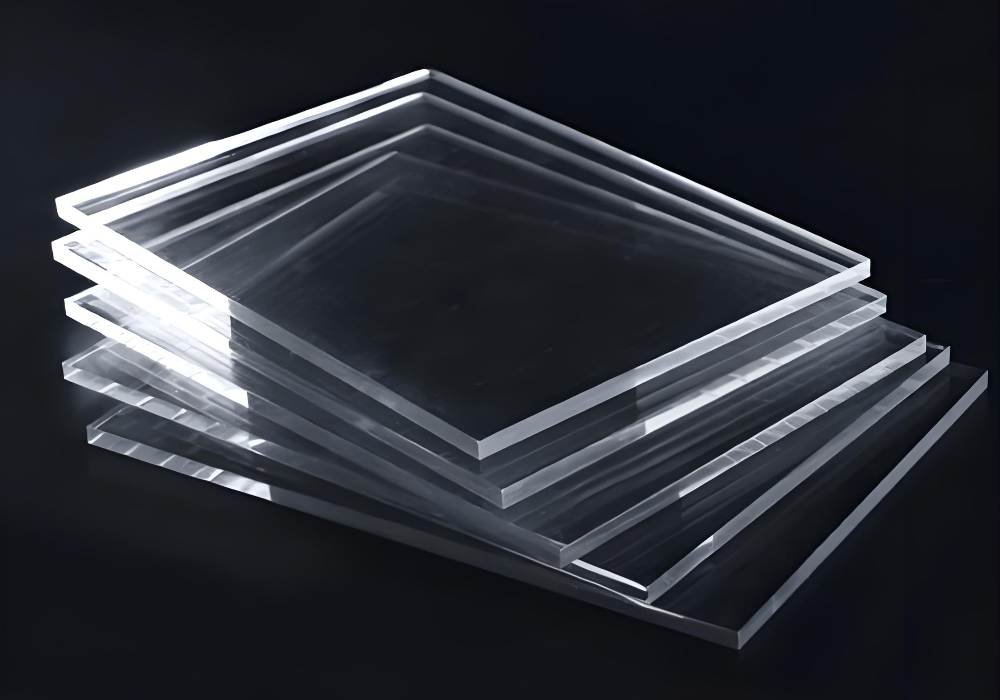
    PMMA (Polymethyl Methacrylate), commonly known as acrylic or Plexiglas, is a transparent thermoplastic that combines excellent optical clarity with good mechanical strength and weather resistance.


Properties:

  • Outstanding optical clarity (92% light transmission) and high gloss
  • Good impact resistance and stiffness compared to glass
  • Excellent weatherability and UV resistance
  • Easy to machine, polish, thermoform, and bond


Applications:

  • Automotive: headlamp lenses, taillights, interior trim
  • Signage & Display: illuminated signs, retail displays, point-of-purchase stands
  • Medical: incubators, contact lens production, diagnostic devices
  • Architecture & Design: skylights, aquariums, furniture, lighting diffusers
Acrylic (PMMA) Material

Polycarbonate (PC)

    Polycarbonate is a high-performance thermoplastic known for its exceptional impact resistance and optical clarity. It is widely used in injection molding because it combines strength, transparency, and good heat resistance, making it suitable for demanding industrial and consumer applications.


Properties:

  • Excellent impact resistance and toughness
  • High transparency and optical clarity
  • Good heat resistance and dimensional stability


Applications:

  • Electronics: housings, connectors, and insulating components
  • Automotive: lighting covers, interior parts
  • Consumer products: safety goggles, protective shields, transparent enclosures

Carbon Fiber Reinforced Polymer (CFRP)


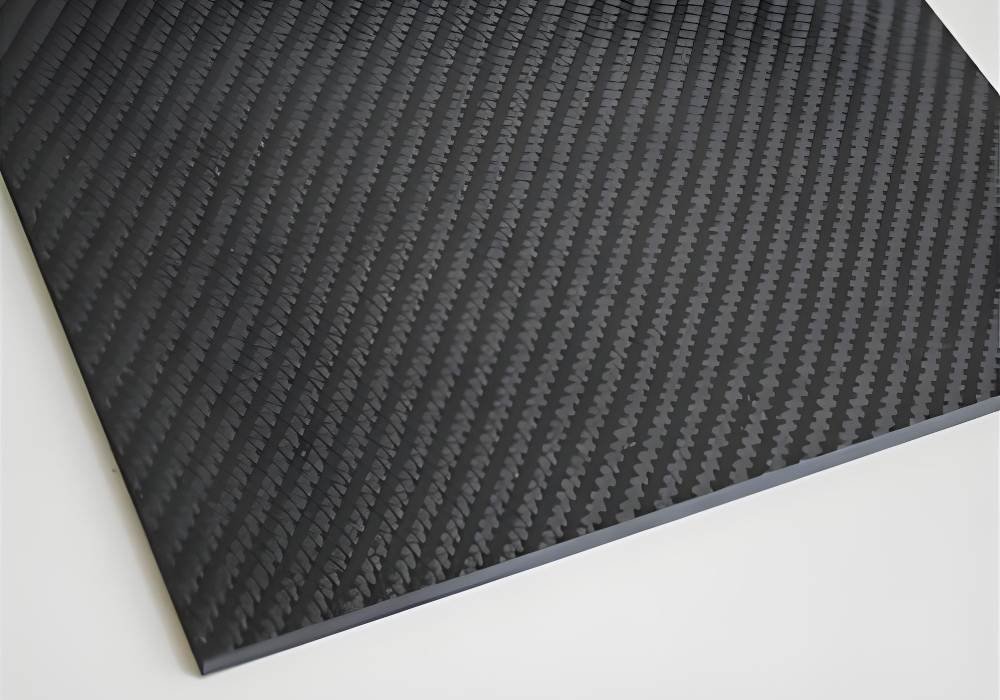
    Carbon Fiber Reinforced Polymer is a composite material made by combining carbon fibers with a polymer resin matrix. The carbon fibers provide exceptional strength and stiffness, while the polymer binds the fibers together and helps distribute loads. This combination results in a lightweight material with outstanding mechanical performance.


Properties:

  • High strength-to-weight ratio
  • Excellent stiffness and fatigue resistance
  • Good corrosion and temperature resistance


Applications:

  • Aerospace: aircraft structural components, fuselage panels
  • Automotive: performance car body parts, chassis components
  • Sports equipment: bicycles, tennis rackets, golf clubs
Carbon Fiber Reinforced Polymer (CFRP)

Glass Fiber Reinforced Polymer (GFRP)

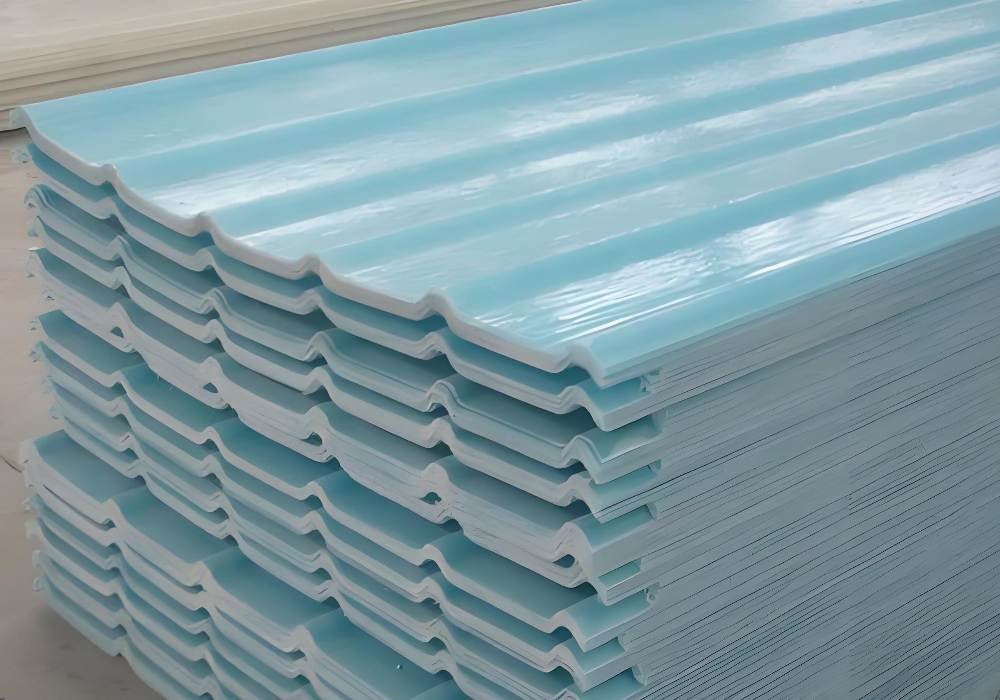
     Glass Fiber Reinforced Polymer is a composite material made by combining glass fibers with a polymer resin matrix. The glass fibers provide strength and stiffness, while the resin holds the fibers together and protects them from environmental damage. GFRP offers a good balance of strength, weight, and cost, making it widely used in many industrial applications.


Properties:

  • High strength-to-weight ratio
  • Good corrosion and chemical resistance
  • Excellent electrical insulation properties


Applications:

  • Construction: panels, roofing materials, structural components
  • Marine industry: boat hulls, decks, and marine structures
  • Electrical industry: cable trays, insulation components, enclosures
Glass Fiber Reinforced Polymer (GFRP)

CNC Laser Cutting Surface Finishing

Powder Coating

Durable, corrosion-resistant finish with customizable colors/textures.

Anodizing

Enhances corrosion resistance, improves surface hardness, and offers aesthetic color options.

Passivation

Removes free iron contaminants and enhances stainless steel’s corrosion resistance.

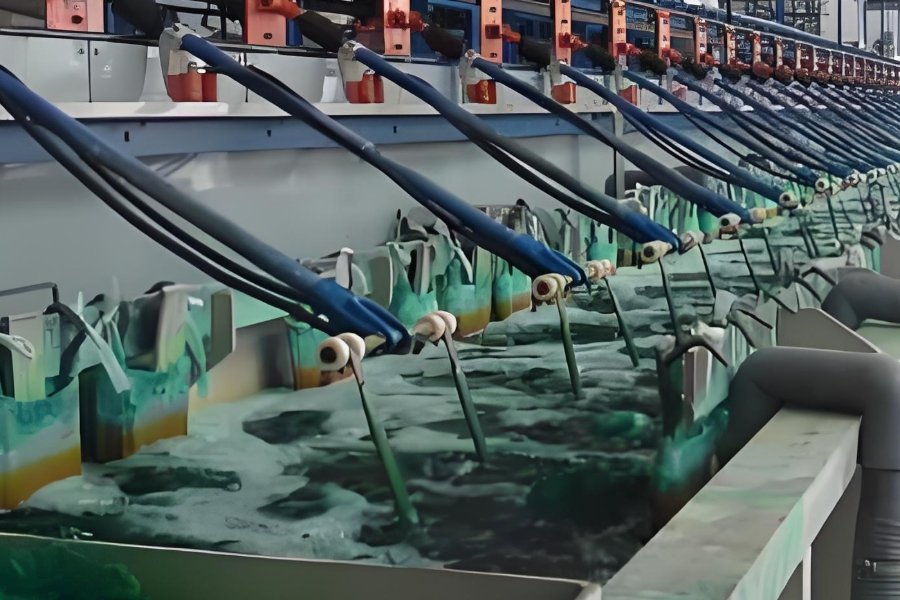
Electroplating

Deposits a thin layer of metal (such as nickel, chrome, or zinc) on the surface of the drilled part.

Why Fecision for CNC Machining?

Advanced Technology

Traditional machining methods may not be able to deal with complex geometries and high-precision parts. Our multi-axis machines, ranging from 3-axis to 5-axis CNC machines, enable us to perform intricate cuts, angles, and curves.

Experienced Engineering Team

Our engineering team has decades of experience in CNC machining and design optimization. At Fecision, we specialize in Design for Manufacturability (DFM) and leverage advanced CAD/CAM software to ensure smooth integration between design and machining processes.

Versatility Across Materials

Fecision offers a broad spectrum of material options to match the needs of your specific application. Meanwhile, we provide guidance on material selection based on part performance requirements such as strength, corrosion resistance, or wear resistance, ensuring optimal results.
Quality Assurance

Our products are trusted by high-profile customers from industries across global, meeting strict and complete quality standard. Access to ISO 9001: 2015 quality certification and our manufacturing partners certified to ISO 13485: 2016, ISO 14001: 2015, and IATF 16949: 2016.

Fast Turnaround Times

We recognize the critical need for timely delivery. Most machines of our partner manufactuers run 7*24 hours with integrated process. Through streamlined workflows and optimized production processes, we ensure fast lead times while maintaining the highest standards of quality.

Commitment to Sustainability

Fecision is committed to minimizing waste and reducing our environmental impact. We prioritize sustainable practices such as material recycling, energy-efficient operations, and waste reduction in our machining processes.

Start CNC Machining

Once your parts are designed and optimized for CNC machining, it's time to move forward with the manufacturing process. It only takes 4 steps as followed.
 

Submit Technical Files

Export your design to a CNC-compatible CAD file format. For CNC machining, we advise STEP format as it’s more standardized and can be used across platforms. It would be better if you can provide a technical drawing, especially when your design contain threads, specified tolerances or need a different finishing.

DFM & Quotation

We will provide a DFM (Design for Manufacturability) report to detect any potential design issues before production begins. Please be aware that further discussions may be needed during the process.

Start Manufacturing

Upon your confirmation to the design, our team will begin CNC machining, which will then be sent for inspection and assembly.

Delivery

Your custom-designed workpieces undergoes thorough inspection, will be carefully packaged, and delivered to you.

Recent Projects

Let's Start!

Together, we can make something remarkable!

Let us turn your vision into reality. Provide us with your project details, and we’ll create a customized proposal designed specifically for you.

CNC Laser Cutting FAQs

0.05mm shim stock with ±0.01mm tolerance.

Our pulsed cutting mode reduces HAZ to <0.1mm.

Yes, using green wavelength lasers (515nm) with anti-backlash systems.

 DXF, DWG, STEP, and AI files with layer standardization.

Real-time monitoring with OPC-UA protocol and SPC data tracking.

Related Services

Turning

Milling

Mill-Turn

drilling

Drilling

Grinding

Start your project now