Acrylic Machining Services: PMMA Parts

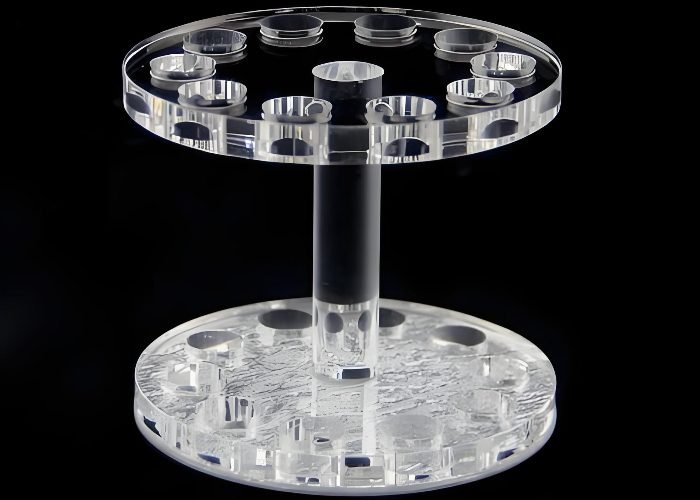
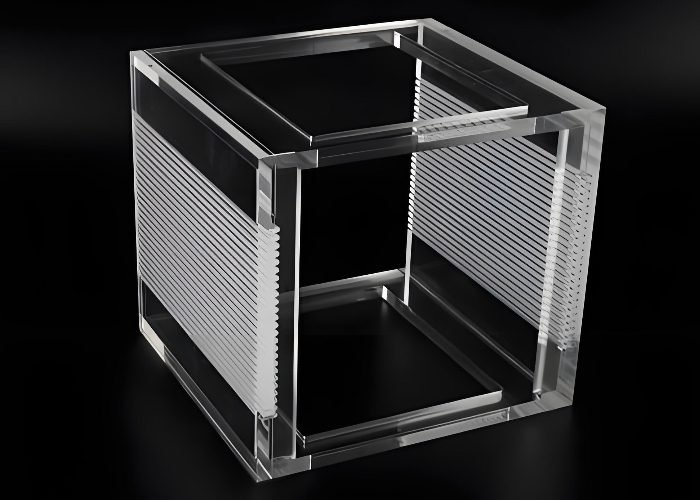
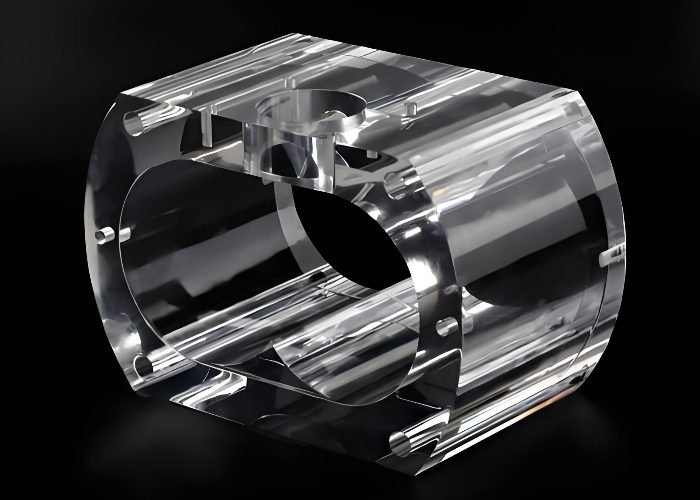
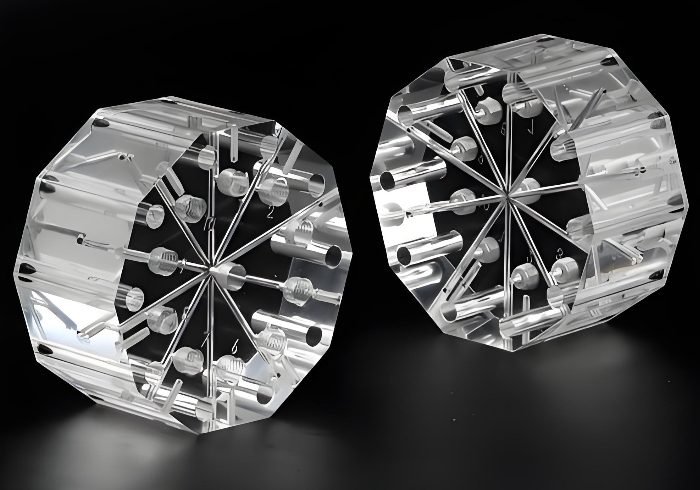
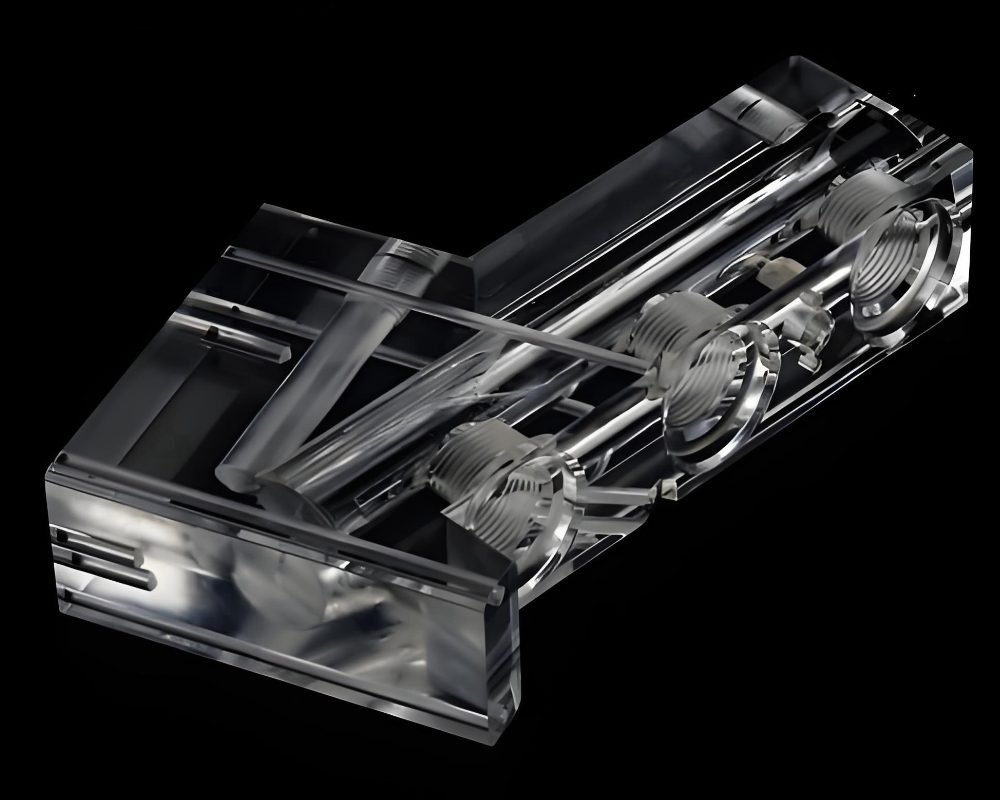
Acrylic CNC machining combines advanced computer-controlled precision with one of the most versatile transparent materials available today. This manufacturing process delivers exceptional clarity, dimensional accuracy, and surface finish for custom acrylic components across industries.
Our specialized approach to machining acrylic ensures consistent quality and precision for every component.

Various Options

Functionality

Cost-effectiveness

Acrylic (PMMA) Machining
PropertyValueNotes
Tensile Strength65-75 MPaHigher than many other thermoplastics
Melting Point160°C (320°F)Critical for machining parameters
Elongation at Break3-10%Limited flexibility compared to other plastics
Hardness90-95 (Rockwell M)Excellent surface hardness
Density1.18 g/cm³Approximately half the weight of glass
Light Transmission92%Exceptional clarity for transparent grades
UV ResistanceExcellentMinimal yellowing over time

About Acrylic (PMMA) Material

Acrylic, technically known as Polymethyl Methacrylate (PMMA), is a transparent thermoplastic polymer often referred to as plexiglass in commercial applications.

This versatile material offers exceptional optical clarity while being significantly lighter and more impact-resistant than traditional glass. Its molecular structure provides a unique combination of transparency, weather resistance, and machinability that makes it ideal for precision manufacturing.
Advantages of Acrylic

  • Exceptional optical clarity (92% light transmission)
  • Lightweight (50% lighter than glass)
  • Excellent weather and UV resistance
  • Superior machinability compared to glass
  • High dimensional stability
  • Good electrical insulation properties
  • Available in transparent, translucent, and opaque variants
  • Biocompatible for medical applications

Restrictions of Acrylic

  • Prone to stress cracking during machining
  • Susceptible to scratching without protective coatings
  • Limited temperature resistance (softens at 160°C)
  • Lower impact resistance than polycarbonate
  • Can develop crazing under improper machining
  • Not suitable for high-stress mechanical applications
  • Vulnerable to certain solvents and chemicals

Acrylic (PMMA) CNC Machining at a Glance

CNC machining acrylic requires specific techniques and parameters to achieve optimal results. Unlike metals, acrylic is sensitive to heat buildup and can develop stress fractures if machined improperly. Our specialized approach to machining acrylic ensures consistent quality and precision for every component.

CNC Machining Processes for Acrylic

CNC Milling

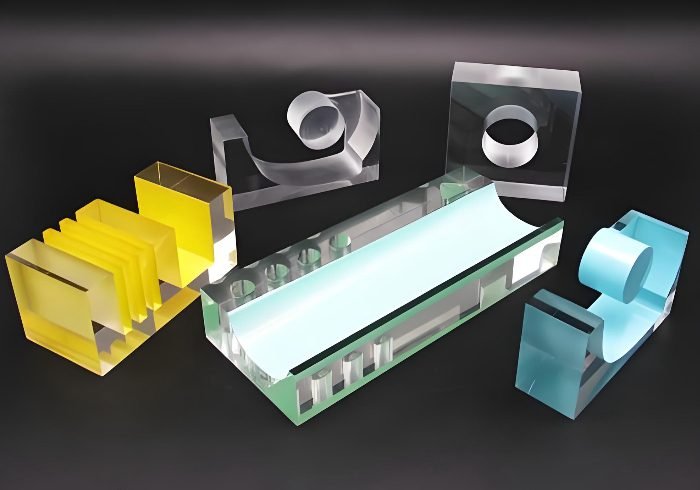
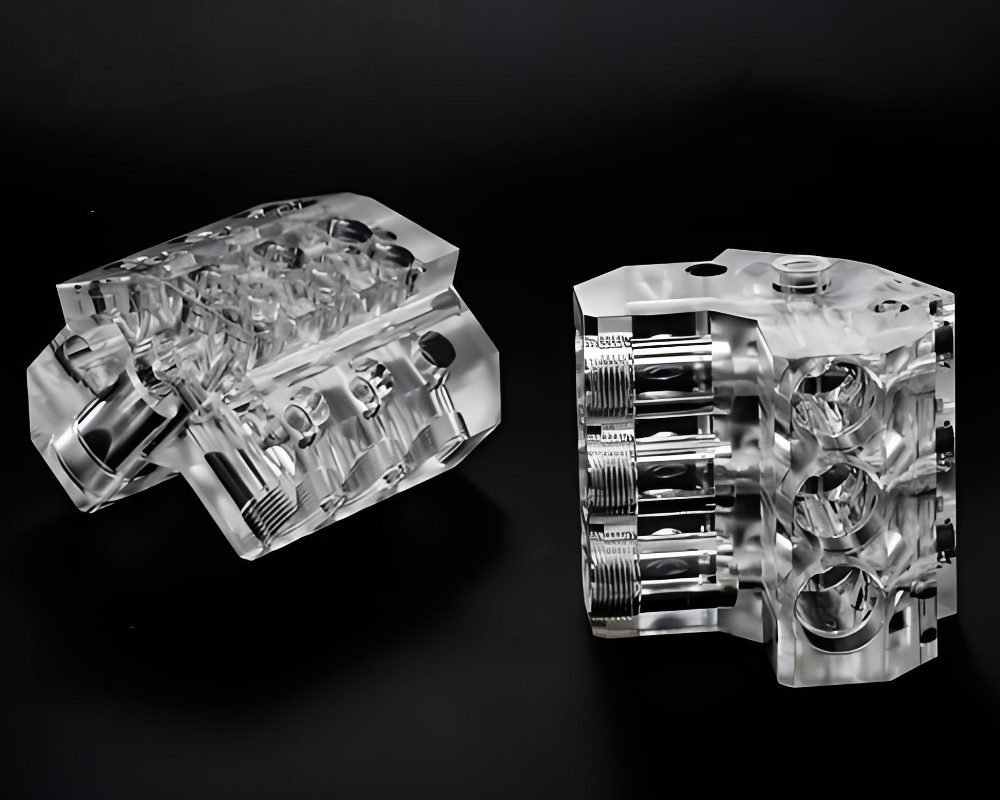
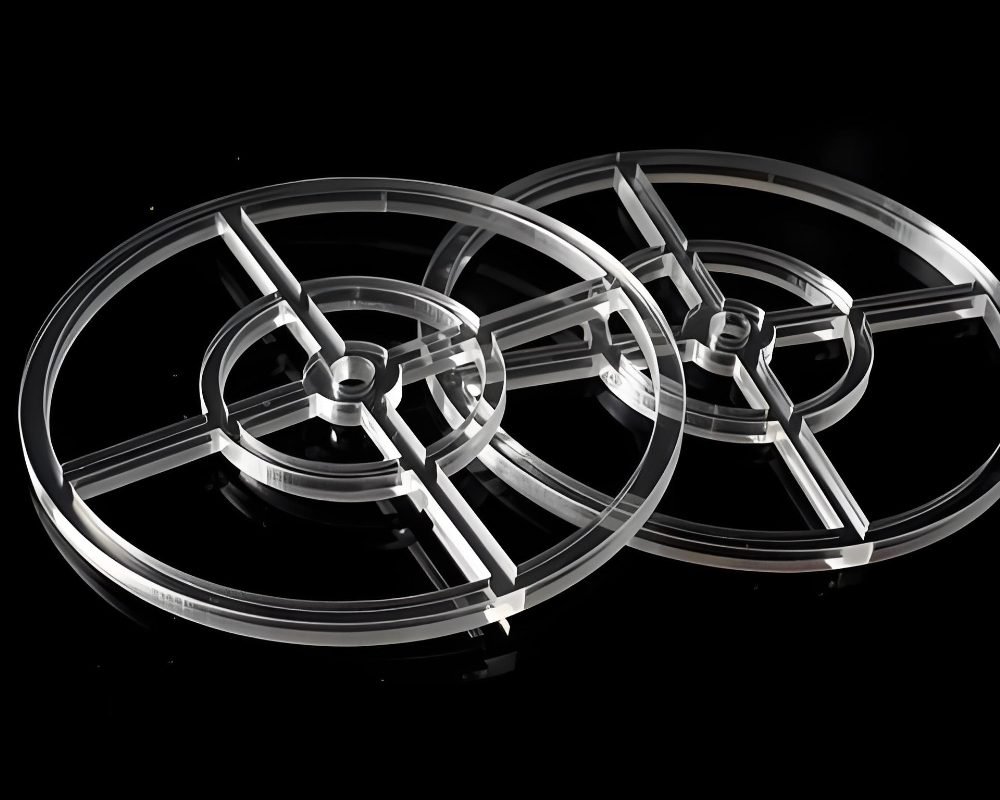
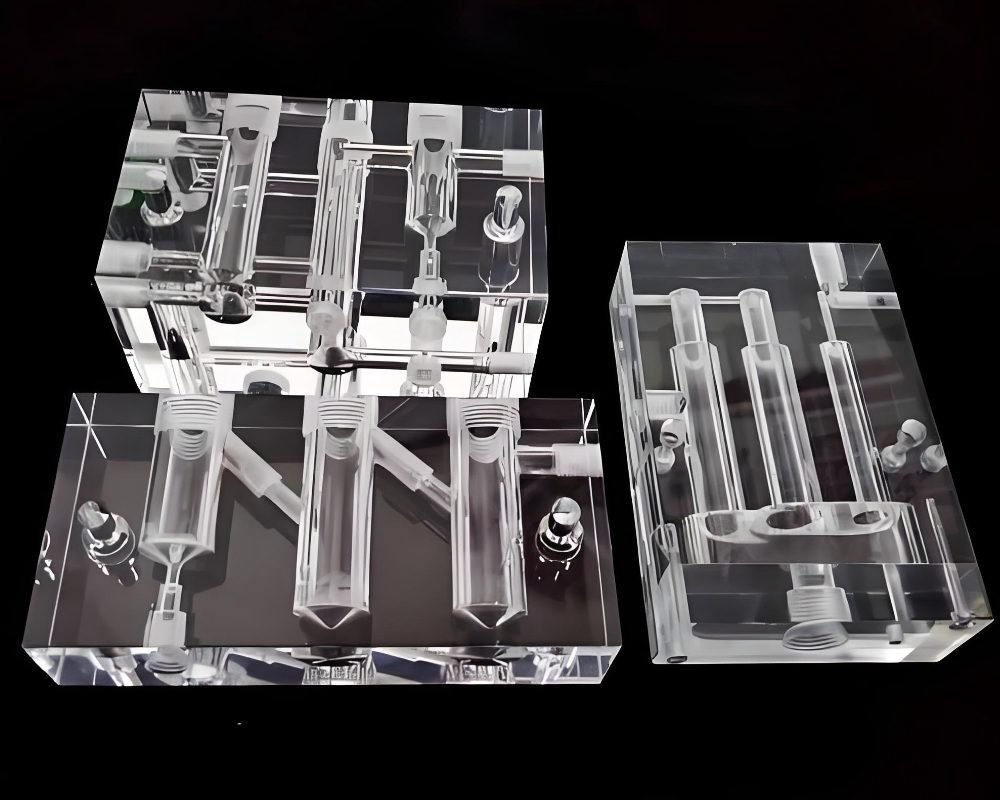
Ideal for creating complex geometries, pockets, and surface features in acrylic sheets and blocks. Our multi-axis CNC mills achieve tolerances of ±0.1mm with exceptional surface finish.

CNC Turning

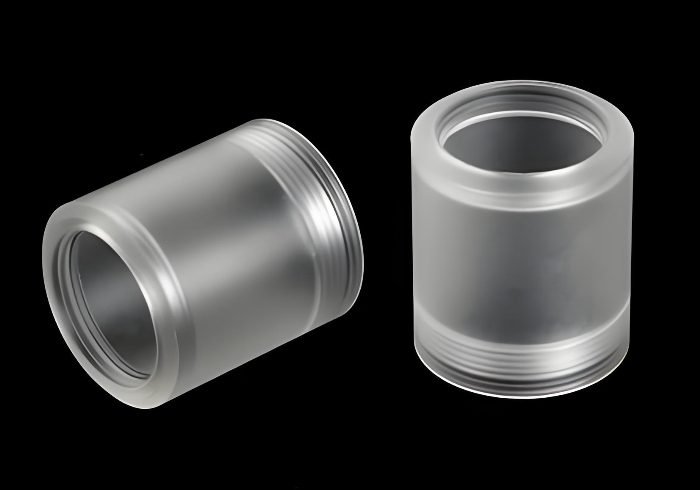
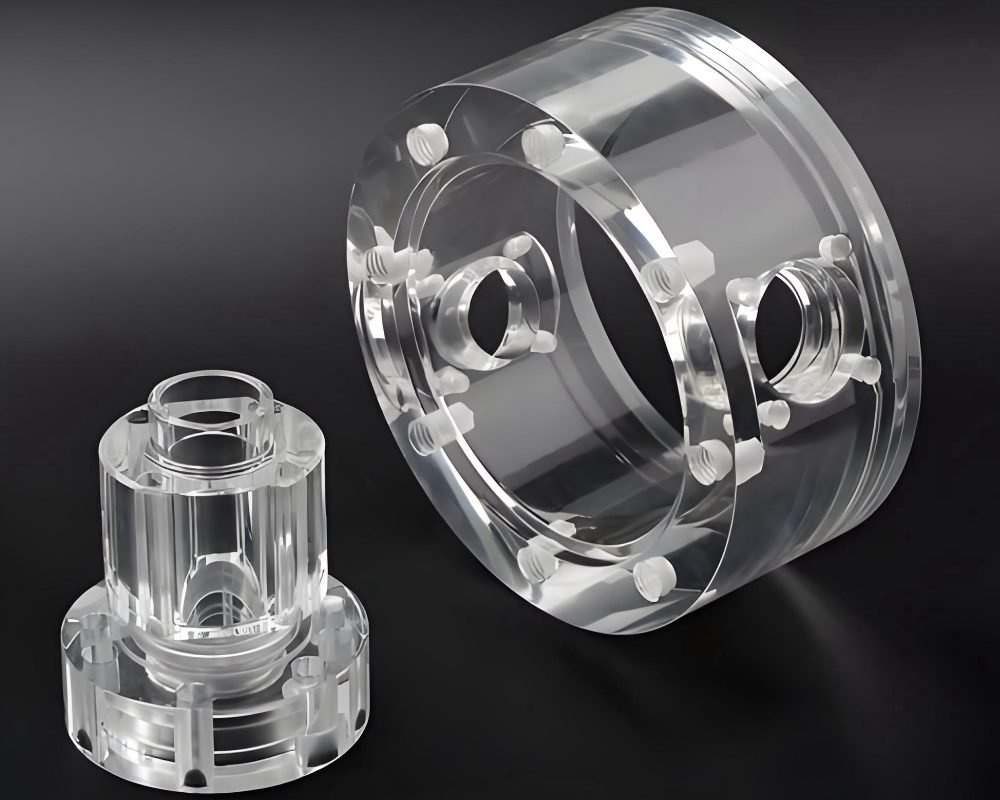
Perfect for cylindrical acrylic components with precise diameters and profiles. CNC lathes produce smooth surfaces on acrylic rods with minimal post-processing requirements.

CNC Drilling

Specialized drilling operations with controlled feed rates prevent cracking and chipping around hole edges, ensuring clean through-holes and threaded features.

Technical Specifications

SpecificationCapabilityNotes
Standard Tolerance±0.1 mm (±0.004″)Tighter tolerances available upon request
Precision Tolerance±0.05 mm (±0.002″)For critical dimensions
Minimum Wall Thickness1.0 mm (0.039″)Depends on part geometry and height
Maximum Part Size600×400×300 mmLarger parts possible with multiple setups
Surface RoughnessRa 0.8 μmBefore finishing operations
Available ColorsClear, Black, White, CustomTransparent, translucent, and opaque options
Thread SizesM2 to M8Self-tapping or machine threads

Key Considerations for CNC Machining Acrylic

Successful acrylic CNC machining requires attention to specific parameters and techniques.
Our manufacturing experts follow these best practices to ensure optimal results:

Cutting Tool Selection

We use specialized single or double-flute end mills with polished cutting edges specifically designed for cutting acrylic. These tools minimize heat buildup and prevent melting or stress cracking during machining operations.

Cooling and Chip Evacuation

Effective cooling is essential to prevent acrylic melting during machining. We employ compressed air cooling systems that simultaneously clear chips from the cutting area, maintaining temperature control and surface quality.

Feed Rate and Speed Control

Proper feed rate settings are critical when machining acrylic. We maintain higher feed rates with moderate spindle speeds to prevent material melting while ensuring clean cuts. 

Workholding Techniques

Secure fixturing prevents vibration and movement during CNC cutting process. We use specialized vacuum tables and custom fixtures with distributed clamping pressure to avoid stress concentrations that could damage the acrylic.

Expert Tip

When machining acrylic, maintaining sharp tools is critical. Dull cutting edges generate excessive heat that can cause melting, poor surface finish, and stress cracking. We regularly replace and maintain our tooling to ensure optimal cutting performance.

Finishing Options for CNC Machined Acrylic

After CNC machining, acrylic parts often require finishing operations to achieve the desired aesthetic and functional properties.

Edge Polishing

Mechanical or flame polishing techniques restore optical clarity to machined edges, creating glass-like transparency. This process removes tool marks and produces a smooth, reflective surface finish.

Surface Treatments

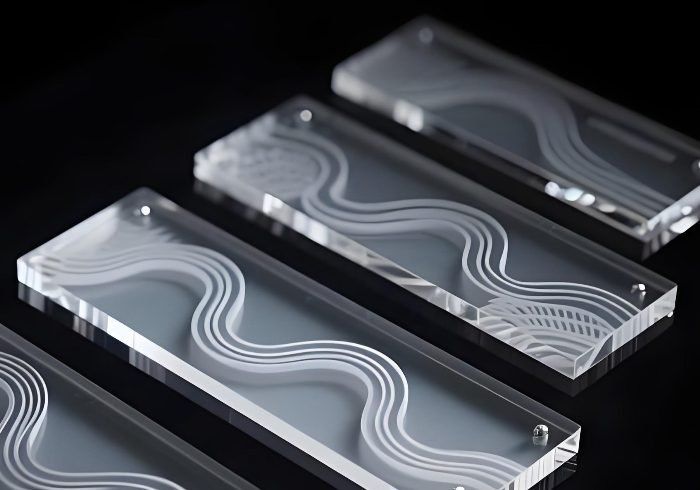
Options include matte finishing, frost effects, and anti-glare treatments. These processes modify light reflection and transmission properties while maintaining dimensional accuracy.

Protective Coatings

Application of scratch-resistant or UV-protective coatings enhances durability and extends product lifespan, particularly for outdoor applications or high-traffic environments.

Painting & Printing

Custom color application and graphic printing for branding, information display, or decorative purposes. Our specialized acrylic paints ensure excellent adhesion and durability.

Bonding & Assembly

Precision bonding of multiple acrylic components using solvent cements or UV-curable adhesives. Creates seamless joints with strength approaching that of the base material.

Laser Engraving

High-precision marking and engraving for text, logos, scales, or decorative patterns. Creates permanent markings with exceptional detail and contrast.

Common Applications for Acrylic CNC Parts

The exceptional properties of CNC machined acrylic make it ideal for numerous applications across diverse industries.
Our precision manufacturing capabilities deliver custom components for:

Medical

Diagnostic equipment components
Surgical instruments and tools
Drug delivery devices
Medical device housings
Disposable medical products

Retail & Display

Point-of-sale displays
Product showcases
Illuminated signage
Museum exhibits
Trade show components

Industrial & Scientific

Fluid flow visualization
Optical components
Instrument panels
Protective guards
Inspection windows

Automotive & Transportation

Instrument cluster lenses
Light covers and diffusers
Display screens
Prototype components
Custom interior elements

Architecture & Design

Illuminated features
Decorative panels
Scale models
Furniture components
Artistic installations

Electronics & Lighting

Light guides and diffusers
Device enclosures
Control panel overlays
Display screens
Prototype housings

Ready to Start Your Acrylic CNC Project?

Upload your design files for a free quote or contact our engineering team for design assistance.

Related Services

stainless steel CNC Machining Services

Stainless Steel Machining

steel CNC Machining Services

Steel Machining

Copper CNC Machining Services

Copper Machining

Brass CNC Machining Servicees

Brass Machining

Precision Titanium CNC Machining Services

Titanium Machining

Bronze CNC Machining Services

Bronze Machining

Start your project now