Injection mold inserts are the hidden heroes behind the precision and versatility of many products we use every day. By combining molded plastic with metal or other materials, these mold parts allow manufacturers to create stronger, more functional parts without the need for extra assembly steps.
Whether you’re producing medical devices, automotive components, or consumer electronics, understanding how inserts work can completely change the way you design and manufacture your products.
Let’s dive into what injection molding inserts are and why they’re such a game-changer in modern manufacturing.
What are Injection Molding Inserts?
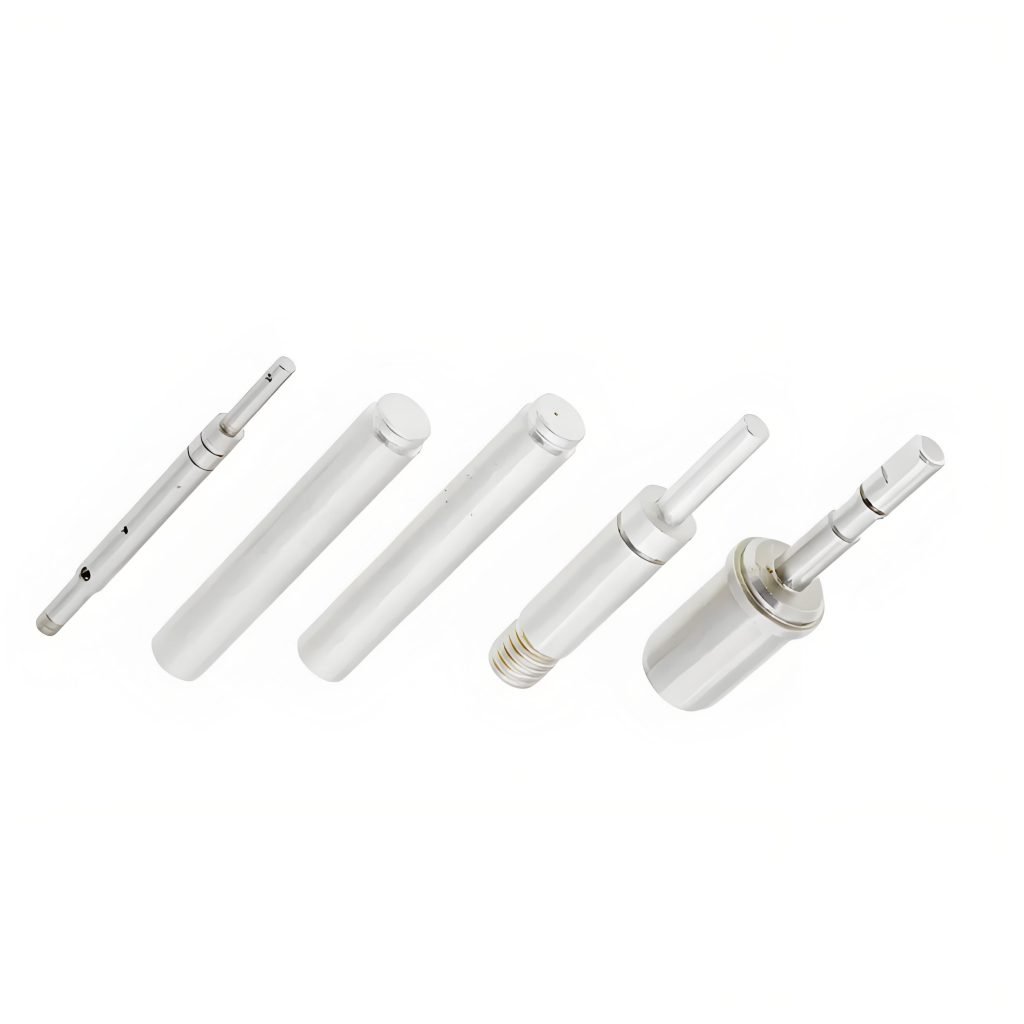
Inserts in injection molding are pre-formed parts, often made of metal, plastic, or ceramics, that are placed into the mold before the plastic is injected. During the molding process, molten plastic flows around these inserts, locking them firmly into the final product once the material cools and hardens.
This technique allows manufacturers to combine the strength, conductivity, or special properties of the insert material with the flexibility and efficiency of plastic molding.
These inserts are used across many industries. For instance, threaded metal inserts allow plastic parts to hold screws tightly without cracking.
Importance of Inserts in Injection Molding
By embedding inserts, manufacturers can achieve complex, high-performance parts without the need for secondary operations like drilling, welding, or gluing. This not only saves time but also improves the overall quality and consistency of the final product.
In industries like medical devices and aerospace, where durability is non-negotiable, these inserts allow mold components to withstand mechanical stress and repeated use.
How Injection Molding Inserts Work?
The molding inserts are typically easy to use and follow a structured pattern. Here’s how the inserts usually work:
- Placing the Insert: The insert is carefully placed inside the mold cavity. It must be positioned exactly where needed before injection.
- Securing the Insert: The mold is designed to hold the insert firmly. This prevents it from moving during the injection process.
- Injecting the Plastic: Molten plastic is then injected into the mold under high pressure. It flows around and fully covers the insert.
- Cooling and Solidifying: Wait for the plastic to cool down inside the mold as it hardens tightly around the insert to form a strong bond.
- Ejecting the Finished Part: Once cooled, the mold opens, and the finished part is removed with the insert.
Common Types of Mold Inserts
Now, let’s discuss the most common types of injection molding inserts that you’ll often find in the manufacturing industry:
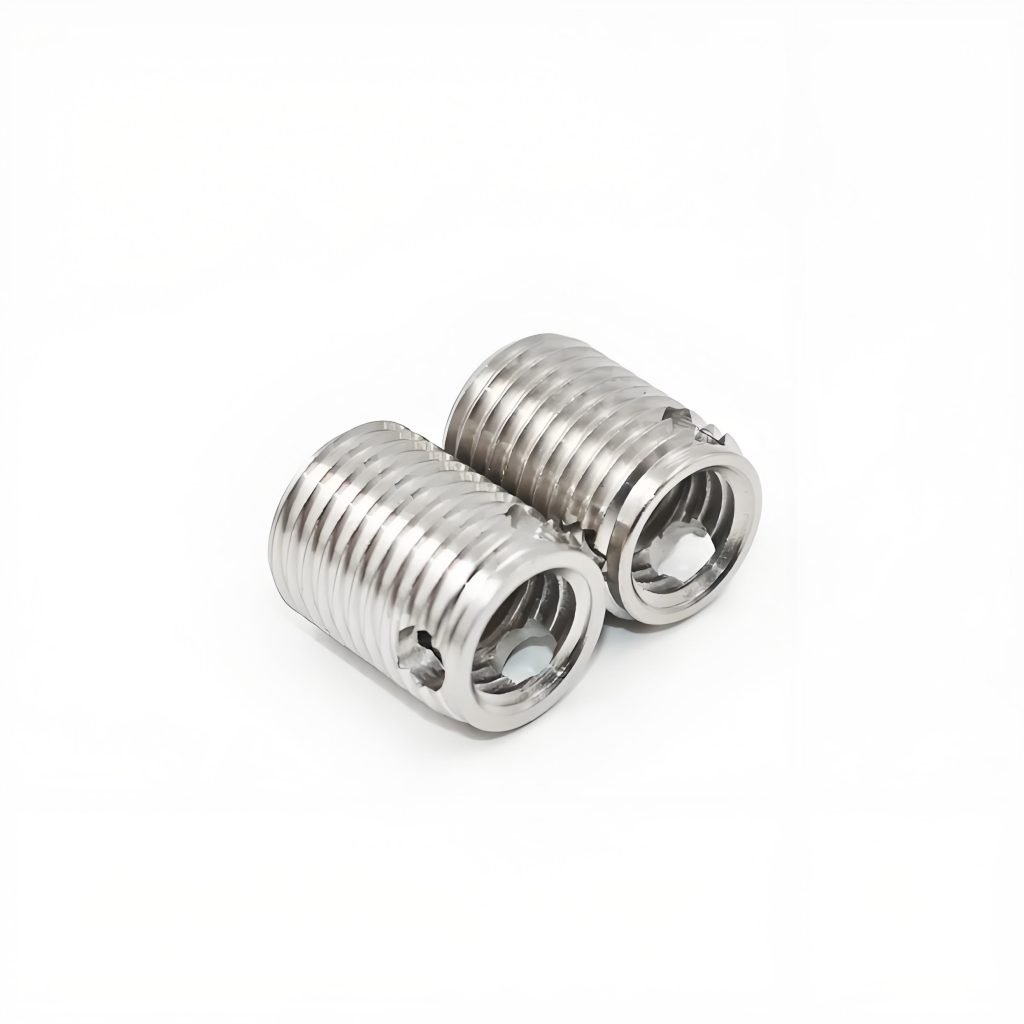
1. Threaded Inserts
Threaded inserts are used when a strong, reusable metal thread is needed in a plastic part. They allow screws or bolts to be fastened securely without damaging the plastic. These inserts are great for components that will be assembled and disassembled multiple times, like electronic housings and mechanical parts.
2. Heat Inserts
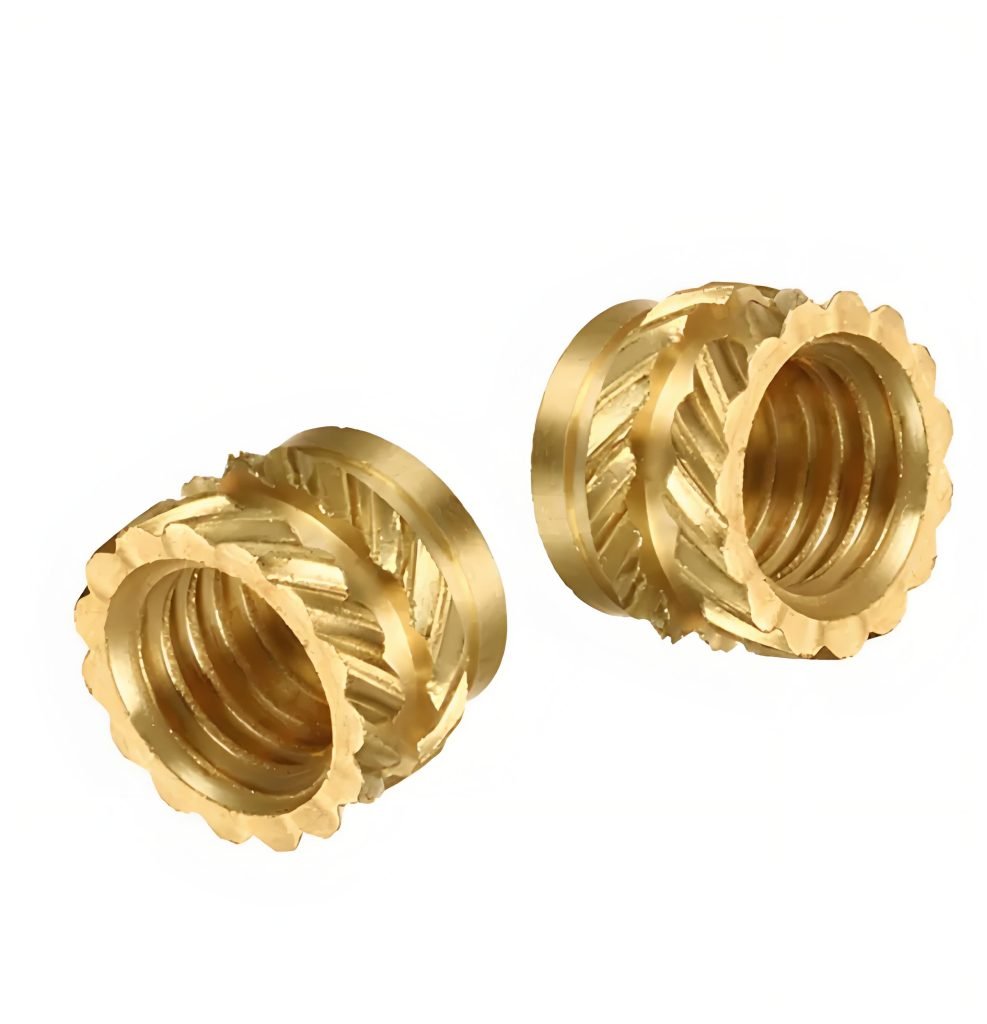
Heat inserts are specially designed to be installed using heat. They are hard and pressed into pre-made holes in the plastic, where the surrounding material melts slightly and re-solidifies around the insert. This method creates a tight and durable fit, ideal for applications that require extra pull-out resistance.
3. Insert Nuts
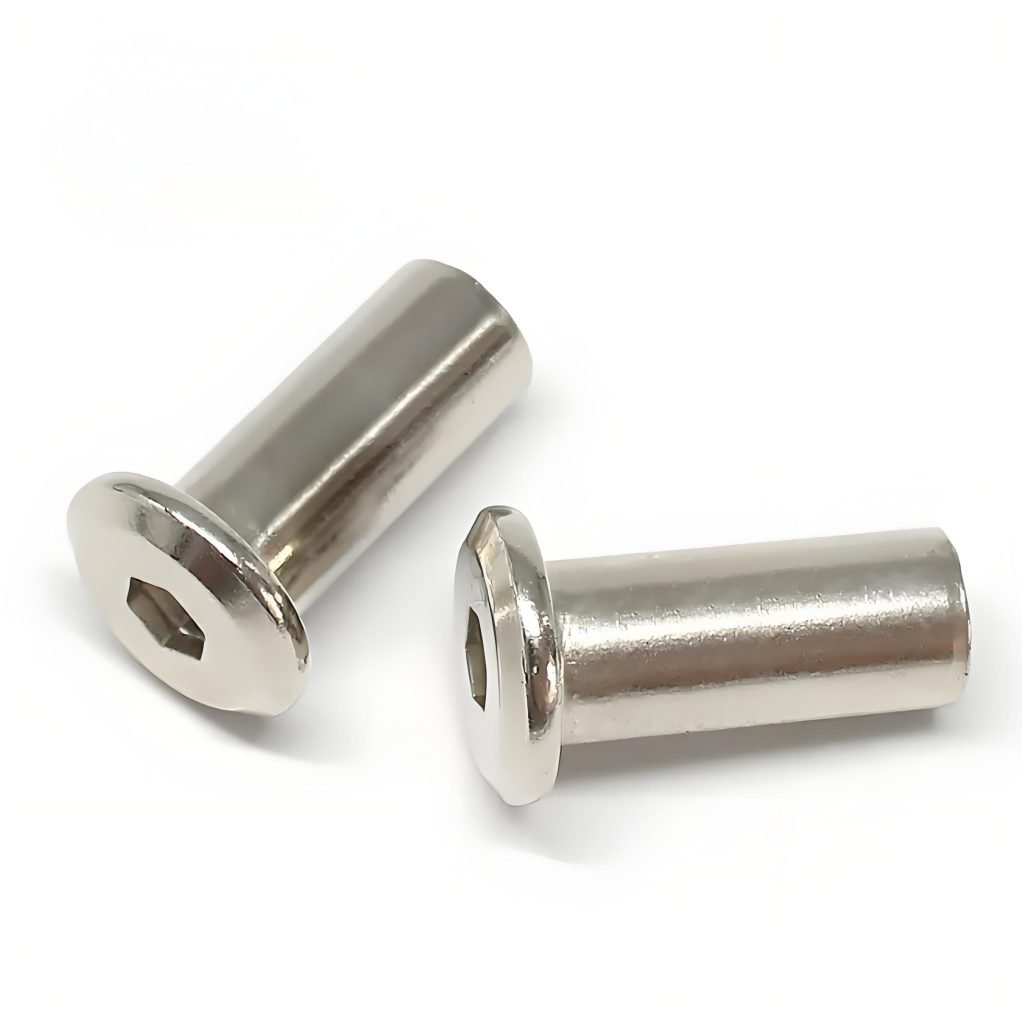
Insert nuts are used when you need to join plastic parts together using bolts or threaded rods. They are embedded into the plastic during molding or post-molding. These inserts provide strong internal threads inside plastic components, which helps improve the strength and reliability of the assembled product.
Benefits of Using Injection Molding Inserts
Here are the benefits of using injection molding inserts and why they’re such a valuable addition to manufacturing processes:
1. Increased Design Flexibility and Complexity
Injection molding inserts give designers the ability to incorporate complex features that would otherwise be difficult or costly to achieve.
For example, you can embed threaded inserts directly into plastic parts, enabling the assembly of components without needing additional processes like tapping or machining. This flexibility allows for the creation of parts that combine different materials, like adding a metal insert to a plastic part for additional strength.
2. Improved Strength and Durability of Molded Parts
One of the most significant advantages of using injection molding inserts is the added strength and durability they provide to the molded parts. Materials like stainless steel, brass, or other metals can be used as inserts to enhance the structural integrity of plastic parts.
This reinforcement prevents the parts from becoming weak or breaking under pressure. Parts with threaded inserts are less likely to strip or wear out after repeated assembly and disassembly.
3. Time and Cost Efficiency in Manufacturing
Mold inserts streamline the manufacturing process by reducing the number of steps needed to produce a final product. Instead of molding a plastic part and then adding separate components (like screws, threads) in additional steps, the insert is added directly during the process.
It reduces labor costs and saves time, as everything can be done in a single cycle. Additionally, using inserts eliminates the need for secondary operations like machining or manual assembly, which further lowers the production cost and improves efficiency.
How to Choose the Right Injection Molding Insert
Several factors come into play when you try to make this decision. Firstly, material selection is one of the most important considerations. You need to pick an insert that aligns with the specific needs of your part. For example, if you want something that doesn’t corrode, then stainless steel is the best option.
Functionality also plays a big role. If your part needs threads or additional support, you’ll need an insert designed to meet that purpose.
Some other factors you might have to consider include:
- Size and Fit: The insert should match the exact dimensions of the part to ensure a proper fit within the mold.
- Thermal and Mechanical Properties: If the part will face heat or stress, choose an insert that can handle those conditions without deforming.
- Cost: While some inserts might be expensive, they could offer more durability, which must be cost-effective in the long run.
Finally, always choose a reliable supplier. Good suppliers ensure consistent quality and can support your project throughout the production phase.
Optimize Your Injection Molding with Fecision’s Expertise
Injection molding inserts are essential for achieving precision in your designs, whether you need to add threads, improve heat resistance, or boost overall strength. When you choose the right insert, the entire manufacturing process becomes smoother and improves the final product.
But to achieve this efficiency and perfection, you need experience, which Fecision offers to its partners.
We specialize in Mold Tooling, CNC Machining, and Molding Services. With our focus on precision and quality, we can help you make informed decisions and achieve exceptional results.
Contact us today to learn how Fecision can optimize your injection molding needs!